
Halloween month continues at Balladeer’s Blog with this look at a Gothic horror tale that doesn’t get the attention it deserves.
 KILLCROP THE CHANGELING (1828) – By Richard Thompson. Gothic horror stories always earn extra points from me if they spotlight a supernatural menace that is NOT a vampire or a ghost. This tale features a goblin child who changes places with a human child.
Killcrop the Changeling features the nearly forgotten version of goblin lore, which presented them as supernatural humanoid vermin who mystically inhabit old, uninhabited buildings. In this case the London building in question used to belong to an undertaker who also sold equipment for infants. The establishment was called Both Ends in reference to this cradle and grave specialization, NOT because it was a gay bar. Continue reading

 I am always glad to interact with readers of Balladeer’s Blog! Many of you have been asking for a guide to my examination of the surreal horrors in The Songs of Maldoror. Readers asked for it to be the same format I used for the Navajo epic myth about the war god Nayanazgeni battling the dark gods called the Anaye.
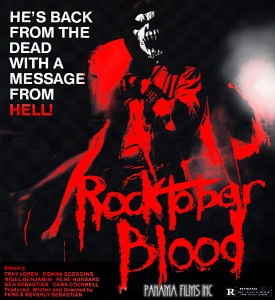 ROCKTOBER BLOOD (1984) -This example of the Heavy Metal Horror films of the 1980s was produced, directed and written by Beverly and Ferd Sebastian, a well-known pair to all of us Bad Movie Geeks. The premise of this hilariously bad movie is that Heavy Metal star Billy Eye programs something sinister into his latest album by way of backward-masking. (Like “I buried Paul” and others)
 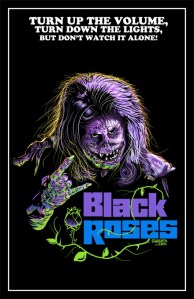 BLACK ROSES (1988) – This legendarily laughable attempt at a horror film belongs to quite a few niche sub-genres. It’s a Canadian horror movie, it’s one of the wonderfully campy Heavy Metal Horror productions of the 1980s and most importantly for trivia lovers Black Roses is one of the Big Three Canadian turkeys to feature Frank Dietz in a supporting role. (The other two are Rock’N’Roll Nightmare and Zombie Nightmare. )
 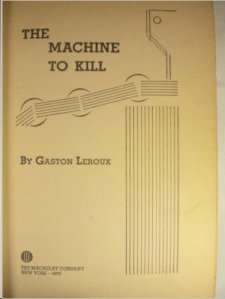 Gaston Leroux’s The Machine to Kill was written in NINETEEN TWENTY-FOUR. Many book sites list it as 1935, but that was just the year it was finally translated into English.


 Balladeer's Blog