
Balladeer’s Blog takes another look at the surviving fragments of an ancient Greek comedian, in this case Crates.
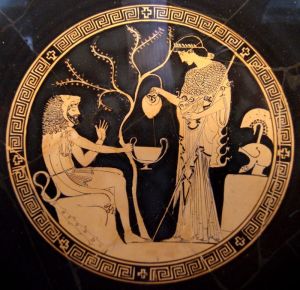 CRATES – Crates’ career spanned from approximately the 450s B.C. to the 430s B.C. We have fragments from nine or ten comedies from an unknown total output. From other sources we know that comedies as stage productions began sometime around 500 B.C. or earlier so Crates came fairly early to the artform.
Crates was credited with being the first Athenian comic poet (the comedies were written in verse and included songs) to introduce drunken characters, still a comic staple over 2,400 years later. Aristotle himself credited Crates as being the first to abandon the “glorified comic monologues” approach of the oldest comedies and introducing fleshed-out plots and storylines.
Be that as it may, there is still a great deal of academic arguing over whether or not Crates’ work simply reflected the influence of Epicharmus, who may well have been the TRUE innovator.
Crates was supposedly an actor before he began writing comedies (But I’m sure he really wanted to direct. – rimshot – ) and his brother was Epilycus, one of the Epic Poets. Eusebius’ Chronicles stated that Crates was a well-known comedian by 451 B.C. and Demetrius Lacon in his work On Poetry indicates that Crates may have acted in some of Aeschylus’ tragedies before switching genres.
KNOWN WORKS
 NEIGHBORS – We do not have even a hypothetical year for this work, unfortunately. Since titles sometimes referred to the all-important Chorus of a Greek comedy there is speculation that the chorus members were “Neighbors” of some sort (Duh!) but nothing is known about the plot.
Athenaeus argued that Crates’ use of a drunken character in this comedy PRE-DATED Epicharmus’ use of stage drunks, so apparently even back in ancient times this was being debated. Continue reading
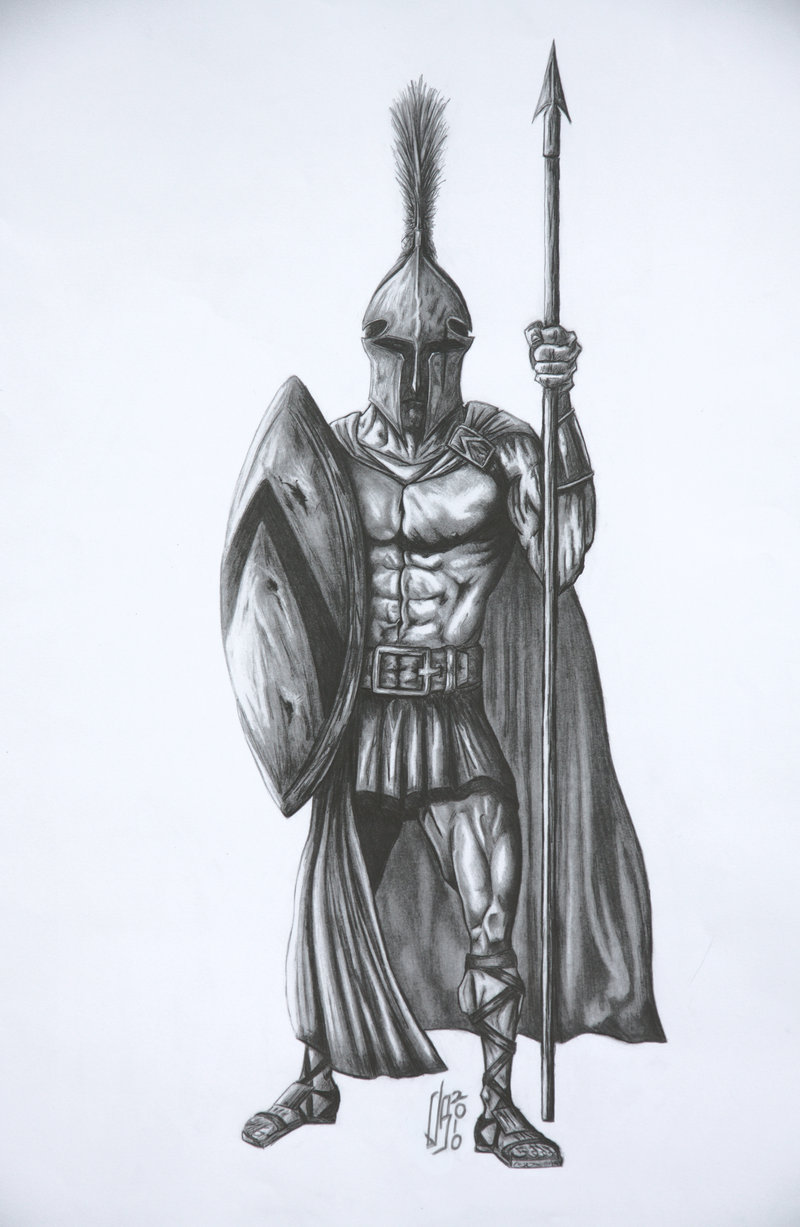
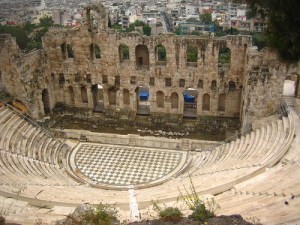
 The “greater” variation, to the proud, sea-faring Athenians, who “ruled the waves” long before Britons came along, involved throwing their wine-lees at plates floating in a pool, with the winner being the one who sank each plate. This small-scale equivalent of naval warfare was, according to Athenaeus, the more prestigious version and was characteristic of a more “high-end” party.
 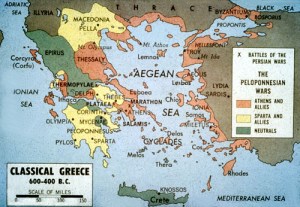 POLEIS – In this post I’m looking at Poleis (Cities), written by Eupolis, one of the Big Three of Ancient Greek Comedy along with Aristophanes and Cratinus. This satirical comedy is dated from approximately 422 B.C. to 419 B.C. Like so many other such comedies it has survived only in fragmentary form.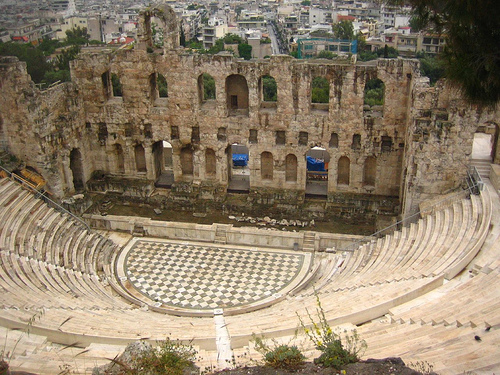
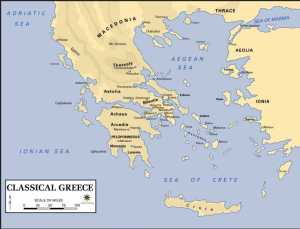 By reader request here is a blog post featuring a brief synopsis of the subject matter to each of the dozens of reviews I’ve written of ancient Greek comedies. Some of you indicated that you don’t like clicking on one with no idea what it will be about, so here we go.
  ASK BALLADEER: Who is your favorite Attic Old Comedian outside of Aristophanes?
  THE TOP FIVE FLASHMAN NOVELS – Little did I know how wild the reaction would be to my reviews of what I consider to be the top five novels featuring George MacDonald Fraser’s infamous antihero Harry Paget Flashman.
  CRATES: ANCIENT GREEK COMEDIES – Balladeer’s Blog took another look at the fragmentary remains of the works of yet another ancient Greek comedian.
  ORION: THE ELVIS PRESLEY HOAX/ PUT-ON – Many readers felt this weird topic featured me at my myth-dissecting best.
  REHASHING PRESIDENT TRUMP’S INCREDIBLE 2017 – De facto Third Party President Donald Trump showed the working class and the poor that at long last an American office-holder actually cared about them for the first time in decades.
  TRANSGRESS WITH ME, JANUARY 13th – One of the earliest installments of what has become one of Balladeer’s Blog’s most controversial and hotly-debated recurring items.
 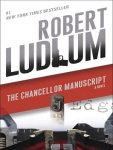 ROBERT LUDLUM’S THE CHANCELLOR MANUSCRIPT – Balladeer’s Blog reviews Robert Bourne Identity Ludlum’s 1977 espionage novel that seems even more timely and possible here in 2018.
 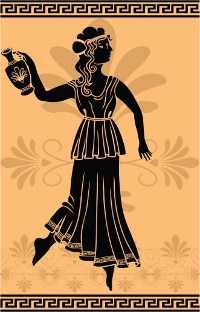 Anteia was written by the comic poet Philyllius. This comic poet’s career seems to have spanned approximately from the 410s BCE to 390 BCE. One of his comedies won 1st prize at a Lenaea festival in the 390s and he won 1st prize at an unknown Dionysia. His fellow comedian Strattis credited him with being the first Attic Old Comic to use real torches on stage.
 Balladeer’s Blog frequently examines ancient Greek comedies written by Aristophanes, Cratinus, Eupolis and others. Recently I was put in mind of the way those comedians often satirized the “professional accusers” in the political and legal forums of ancient Athens.
 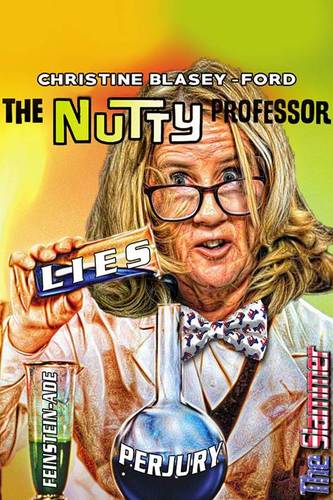 Demagogues like Cleon and Hyperbolus and others often used “professional accusers” against their political opponents. These figures – called sycophantes by the ancient Athenians – are often termed “informers” in many translations of Greek comedies but I feel the word accuser is more accurate.
  Balladeer's Blog