
 Balladeer’s Blog presents another look at an ancient Greek Comedy. This time around it’s one written by Eupolis who – along with Aristophanes and Cratinus – was one of the Big Three of Attic Old Comedy.
MARIKAS (c 421 B.C.) – This was the second comedy to emerge in the new subgenre of Attic Old Comedy called “the Demagogue Comedy”. Aristophanes led the way a few years earlier with The Knights, his comedy attacking the politician Cleon. The play Marikas finds Eupolis attacking the demagogue Hyperbolus, whose reputation for character assassination by way of overstatement lives on in our language by way of the word “hyperbole”.
As with most ancient Greek comedies Marikas has survived only in fragmentary form. Those fragments, along with contemporary references in surviving works, provide what is known about the play. Marikas, the title character, was used by Eupolis to represent the politician Hyperbolus the same way Aristophanes had used the Paphlagonian to represent Cleon in The Knights.
The ancient Greek comedies made a point of breaking the fourth wall on a regular basis (despite the way so many people have convinced themselves that that is a “postmodern” development) and Marikas opened up with a character assuring the audience that the play they were about to see was NOT just a rehashing of The Knights. Continue reading
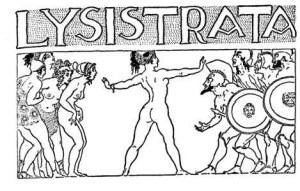
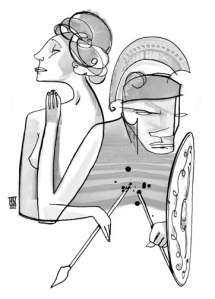 By 411 BC the Peloponnesian War between Athens (and its allied city-states) and Sparta (and its allied city-states) had been raging for roughly 20 years. The war provides the backdrop for many of Aristophanes’ surviving comedies and is especially relevant where Lysistrata is concerned. Weary of the long, drawn-out conflict the women of Athens, led by the title character Lysistrata (supposedly based on Lysimache, the Priestess of Athena in Athens at the time), join forces with the women of Sparta and decide to withhold sex from the men until they agree to bring an end to the war.
  THE KNIGHTS – In The Knights Aristophanes pioneered a new sub-genre of Attic Old Comedy: the Demagogue Comedy. The villain of this masterpiece of political satire was a figure called the Paphlagonian, who was patterned on Cleon, a notorious Athenian politician of the time period.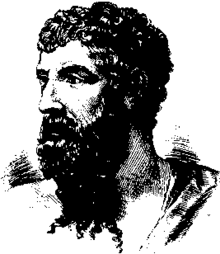
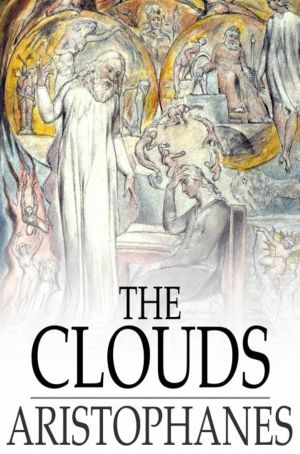
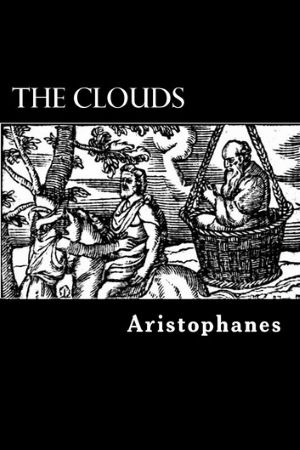 The Clouds was written by Aristophanes around 423 BC and next to Lysistrata is the Big A’s most- discussed satire, mostly because of its lampooning of the philosopher Socrates, a contemporary of Aristophanes.
  In the ancient Greek democracy Athenian citizens were expected to represent themselves in court in both criminal and civil proceedings.
  Cratinus was one of the Big 3 in Attic Old Comedy along with Aristophanes and Eupolis, both of whom were much younger than he was. From the fragmentary evidence available on Dionysalexandros, it appears to be a possibly unique hybrid of Attic Old Comedy and traditional Satyr Plays.
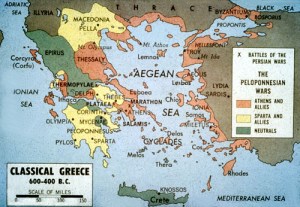 POLEIS – In this post I’m looking at Poleis (Cities), written by Eupolis, one of the Big Three of Ancient Greek Comedy along with Aristophanes and Cratinus. This satirical comedy is dated from approximately 422 B.C. to 419 B.C. Like so many other such comedies it has survived only in fragmentary form.
 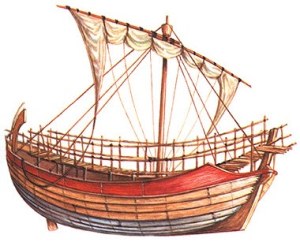 Merchant Ships was written and publicly staged in approximately 424 B.C. to 421 B.C. according to the available data. It was another of Aristophanes’ comedies protesting the pointlessness of the Greek city-states warring among themselves instead of uniting against the encroachments of the Persian Empire.
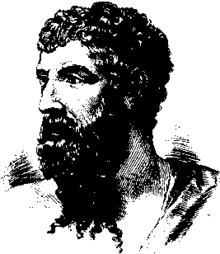 What Meet the Beatles was to the British Invasion, The Banqueters was to Attic Old Comedy. (Yes, I love silly comparisons) This play was the first comedy written by Aristophanes, the leading light of ancient Greek comedy, and was performed at the Lenaea festival of 427 BC when Aristophanes was nineteen years old. The Banqueters won second prize, making it a very auspicious debut for the man often considered the greatest political satirist of the ancient world.
  Balladeer's Blog