
This blog post looks at Dionysalexandros by Cratinus. For my post providing background info on ancient Greek comedies click here: https://glitternight.com/2011/09/22/at-long-last-my-ancient-greek-comedy-posts-begin/
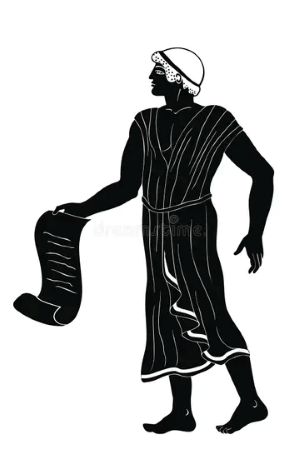 Cratinus was one of the Big 3 in Attic Old Comedy along with Aristophanes and Eupolis, both of whom were much younger than he was. From the fragmentary evidence available on Dionysalexandros, it appears to be a possibly unique hybrid of Attic Old Comedy and traditional Satyr Plays.
THE PLAY
In Dionysalexandros Cratinus pushed the envelope by blurring the line between comedy and Satyr Plays, which were the traditional mythical burlesques that the ancient Greek tragedians wrote as a comical piece after each of their tragic trilogies.
Satyr plays always featured Dionysus’ followers the satyrs, the drunken Silenus and often Dionysus himself. As in the comedies Dionysus would be depicted in Satyr Plays as a bumbler and a coward, because though the tragedies and comedies were part of the festivals devoted to that god he was able to laugh at himself.
At any rate the tragedians would write the satyrs and their divine leader into traditional myths for comic effect. Think of Simpsons episodes where the characters were written into classical stories or movies. Satyr Plays were, according to some scholars, the origin of the word satire, but others dispute this. (Scholars arguing over something? Big surprise!) Continue reading
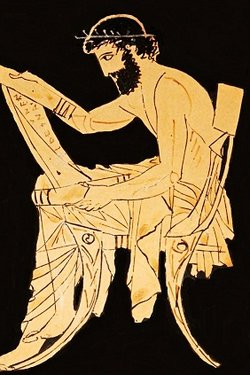 Welcome to another one of Balladeer’s Blog’s posts about ancient Greek comedies, this one written by Cratinus, who was one of the Big Three of Attic Old Comedy with Aristophanes and Eupolis the other two.
 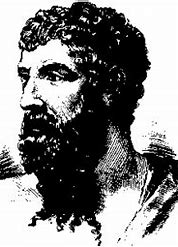 THE BANQUETERS – By Aristophanes. This was the very first comedy from the Athenian whose name is synonymous with ancient Greek comedies, especially political satires. The nineteen-year-old presented a landowner from Athens whose two sons were being introduced to his phratry brothers at a banquet dedicated to Herakles.
 WEALTH GODS (PLUTOI) – By Cratinus. In this satirical comedy the Titans are depicted overthrowing Zeus in a metaphor for the fall of the political leader Pericles. This was a reference either to his actual death or to the loss of his position as Strategos (Commander in Chief) depending on which year you go with for the comedy.
 By reader request here is a blog post featuring a brief synopsis of the subject matter to each of the dozens of reviews I’ve written of ancient Greek comedies. Some of you indicated that you don’t like clicking on one with no idea what it will be about, so here we go.

 Balladeer's Blog