
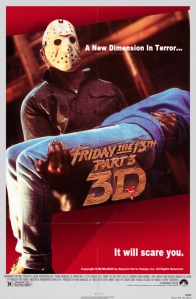
 Before MST3K there was … The Texas 27 Film Vault! In the middle 1980s, way down on Level 31 Randy and Richard, machine-gun toting Film Vault Technicians First Class hosted this neglected cult show. Balladeer’s Blog continues its celebration of the program’s 40th anniversary year.
ORIGINAL BROADCAST DATE: Saturday February 14th, 1987 from 10:30pm to 1:00am. Broadcast throughout Texas and Oklahoma.
SERIAL: None this week. The movie, Film Vault Corps comedy sketches and commercials filled up the entire two-and-a-half-hour runtime.
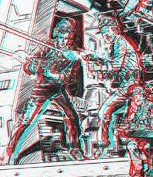
Randy and Richard firing their machine guns at giant rats, cellumites and other subterranean creatures.
FILM VAULT LORE: This episode marked the second time The Texas 27 Film Vault came with a warning about violent content. It was also at least the second time they riffed on a movie that was originally in 3-D. Randy and Richard did various jokes about wearing 3-D glasses and 3-D effects coming out of the screen at them as they watched the movie.
FOR A LOOK AT THE 3-D TEXAS 27 FILM VAULT POSTER (courtesy of Randy Clower) –https://glitternight.com/2013/03/18/movie-hosts-the-texas-27-film-vault-poster/
THE MOVIE: Friday the 13th Part 3-D was the most notoriously lame sequel in the Friday the 13th film series during the 1980s. Not only was it part of the laughable 1980s attempt to revive the 3-D craze of the 1950s but it’s also infamous for its DISCO VERSION of the iconic Friday the 13th theme. However, it’s essential viewing for horror fans because it was the first time Jason Voorhees put on the hockey mask that is so closely associated with the character. Continue reading
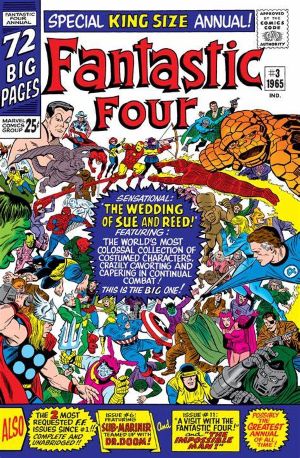 It’s June, the traditional month for weddings and since summertime is also the season for superhero movies I figured why not take a look at a superhero wedding. And since the movie reboot of the Fantastic Four will be coming out soon I’m going with the wedding of Mr. Fantastic (Reed Richards) and Sue Storm (Invisible Girl then, Invisible Woman now).
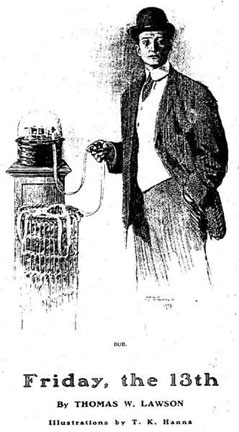 FRIDAY THE THIRTEENTH (1907) – Written by Thomas William Lawson, a writer and stock manipulator who made a fortune from shady stock deals … in between advocating for cleaning up Wall Street to shut down those fleece jobs. The reforms Lawson campaigned for were taken up decades later when Franklin Roosevelt appointed future Supreme Court Justice William O. Douglas to head the Securities Exchange Commission.
 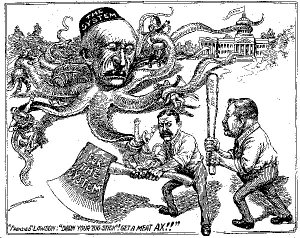 Jim Randolph, one of the novel’s main characters, is in the T.R. mold: he may be a bloated rich pig but at least he’s a bloated rich pig with a sense of noblesse oblige. Jim shares Teddy Roosevelt’s disdain for the Trusts and for con men who use the stock market to rip off their clients.
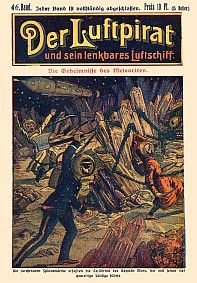 SECRETS OF THE METEORITE – Once again Kapitan Mors and his crew take off from their secret island base on a space exploration mission. Among the crew of Mors’ spaceship the Meteor are the regulars – Executive Officer Lindo of India, Engineers Stern and Schrecken, Ship’s Astronomer Van Halen, plus Science Officers Anita and Lucy Long.
 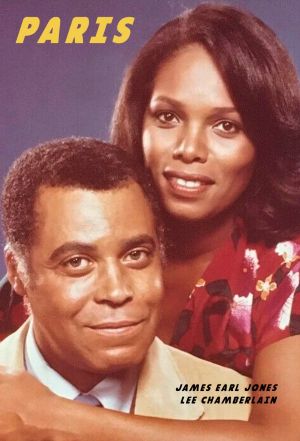 PARIS (1979-1980) – This 13-episode cop show was created by the one and only Steven Bochco. James Earl Jones took his first starring role in a television series as Woody Paris of the Los Angeles Police.
 THE EPISODES:
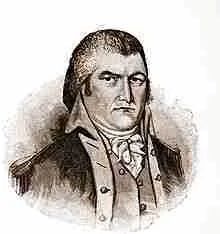 MOSES CLEAVELAND (1754-1806) – With the 4th of July fast approaching, here’s a seasonal post about this Revolutionary War veteran and founder of Cleveland, OH despite the difference in spelling.
 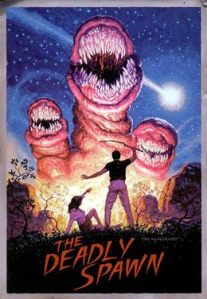 THE DEADLY SPAWN (1983) – This film is also known as The Alien’s Deadly Spawn. If you’re into less appreciated splatter flicks this is the movie for you! Diminutive creatures (ignore the poster) from outer space terrorize a neighborhood while literally chewing their way through anything in their way, including human bodies. The gore effects are graphic but not extreme, the acting ranges from awful to average and the creature designs may be cheap but the overall package makes this a cult classic. And watch out for that final stinger!
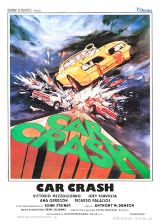 CAR CRASH (1981) – Travolta … Joey Travolta. Yes, it’s Barbarino’s older brother in this Italian-Spanish coproduction. Ever wonder what the Fast and Furious franchise would be like if Frank Stallone was the overall star? This movie provides the answer – sped up footage to (unsuccessfully) lend the illusion of speed, and model cars just one step above Hot Wheels toys passing for the race cars much of the time! Travolta stars as the fast and fatuous driver Paul Little. He wins a race, infuriating the crime boss who rigged the event to let his own driver win. Paul then faces the gangster, his men and several other competitors in a race called the Imperial Crash. With Johnny Carson’s frequent 1980s joke Ana Obregon.
 Balladeer's Blog