FOR PART ONE (2016) OF THIS RETROSPECTIVE FROM INDEPENDENT VOTER SITE BALLADEER’S BLOG CLICK HERE.
THE “RIGHT SIDE OF HISTORY” NONSENSE – People believing they are on “the right side of history” are as plentiful as people who believe they have “God on their side.” A look at the pomposity of idiots who claim they are on said right side of history. Click HERE.
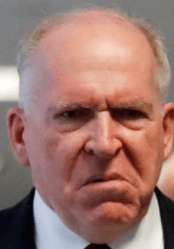 C.I.A. DIRECTORS – THE MEN FROM S.C.U.M. – A reminder of what absolute garbage the people who have run America’s C.I.A. are. One of the reasons I used to be a Democrat before leaving that party of fascists to become an Independent Voter was because Democrats USED TO openly bash abuses by the C.I.A., F.B.I., N.S.A. and others.
Unfortunately, in the past several years, Democrats have decided that as long as the dirty activities of those agencies benefit their political party, they are fine with them. Click HERE. More reminders about C.I.A. trash HERE.
 ROLLING STONE EDITOR MATT TAIBBI COURAGEOUSLY BASHES INTELLIGENCE AGENCIES AND POLITICAL PARTISANS FOR THE DANGERS POSED BY THEIR UNHINGED OBSESSION WITH TRUMP – Links below, but first some excerpts: “My discomfort in the last few years, first with Russiagate and now with Ukrainegate and impeachment, stems from the belief that the people pushing hardest for Trump’s early removal are more dangerous than Trump.”
“The Trump presidency is the first to reveal a full-blown schism between the intelligence community and the White House. Senior figures in the CIA, NSA, FBI and other agencies made an open break from their would-be boss before Trump’s inauguration, commencing a public war of leaks that has not stopped.” And the war against Trump by America’s cesspool of a political establishment continues to this day. Click HERE and HERE for Taibbi’s piece.
 JCN/ B2C STUDY: TRUMP’S ECONOMIC POLICIES ARE HELPING HISPANIC BUSINESSES THRIVE – Links below, but first some excerpts: “Alfredo Ortiz said “The fact is that Hispanics are flourishing in the Trump economy. Democrats asserting the contrary is a mere partisan talking point to try to deny Trump the Hispanic support he has earned”.
“Rohit Arora noted that “Latino business owners are enjoying a 46 percent jump in revenue this year, which will bolster the nation’s thriving economy.” For the full OCTOBER OF 2019 studies click HERE and HERE.
 HILLARY CLINTON ACCUSES COURAGEOUS TULSI GABBARD OF BEING (YAWN) “A RUSSIAN ASSET.” – All that plus more HERE.
DE FACTO THIRD PARTY PRESIDENT DONALD TRUMP PRAISED BY KAYLA MUELLER’S PARENTS – The link is below but first some excerpts: “President Donald Trump received praise from the parents of Kayla Mueller, the international humanitarian worker raped and killed by Islamic State officials when Obama was in office.
 “They praised the president for the recent raid in which Abu bakr al Baghdadi, current head of ISIS and one of Mueller’s rapists, was killed. Al Baghdadi’s likely replacement was also killed over the weekend.”
“The Democrat media outlet the Washington Post (Motto: Democracy dies at our hands) eulogized Abu bakr al Baghdadi as ‘an austere religious scholar’ who ‘dies at 48.’ Sounds like the way the Washington Post carries Hamas’ water here in 2023.
Marsha Mueller expressed gratitude that their daughter and the others who were tortured and killed by ISIS have not been forgotten. “I still say Kayla should be here, and if Obama had been as decisive as President Trump, maybe she would have been,” Marsha Mueller said. Click HERE.
MOTHER JONES: TRUMP IS THE NEW ABRAHAM LINCOLN – Click HERE.
NPR-PBS POLL: MORE PEOPLE TRUST THE TRUMP ADMINISTRATION THAN TRUST THE MEDIA – Well, of course, given the corporate media’s hysterical distortion of everything Trump says and does. Click HERE. Continue reading →

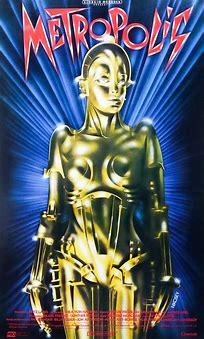 METROPOLIS – Volumes have been written about Fritz Lang’s 1927 silent movie sci-fi masterpiece. I love the film myself but rather than write the 9,899,974th glowing review of the 1927 original I will instead take a look at the 1984 re-issue, produced by Giorgio Moroder, who also did soundtracks for movies like Scarface, Midnight Express, and later Top Gun.
 Rather than have the usual classical or similar music play as accompaniment to a silent movie, composer Giorgio Moroder wrote a rock and pop music score to attract a generation of filmgoers who might otherwise have never sat through a silent movie in their lives. Freddie Mercury, Pat Benatar, Adam Ant and Billy Squier were among those performing Moroder’s score.
 Not only 1984 audiences but all subsequent generations of viewers which were drawn to silent movies in general thanks to airings of Metropolis (1984) may never have brought the new blood and passion to the early cinematic artform if not for Moroder.



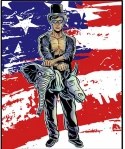 For Balladeer’s Blog’s new readers, especially from overseas, this may clarify my reasons for so openly despising both of the rival gangs of white-collar criminals called the Democrat and Republican Parties. That contempt applies to the people who run those two gangs, not the general voters.