
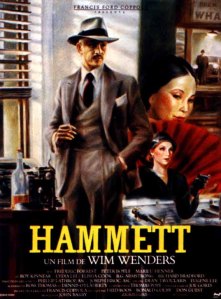
 HAMMETT (1982) – Directed by Wim Wenders and produced by Francis Ford Coppola’s Zoetrope Studios, Hammett is a criminally neglected valentine to Hard-Boiled Detective Stories and Film Noir. The flick is based on the novel by Joe Gores.
The stories about the behind the scenes chaos and conflicts surrounding the production of this movie are legion. Pre-production work began in 1975 and by the time it was released in 1982 multiple cast and story changes had taken place and Coppola himself re-shot more than a third of the film.
In the way that Time After Time presented a whimsical “what if” adventure featuring H.G. Wells having a real time machine, Hammett serves up iconic detective novelist Dashiell Hammett getting caught up in solving a real-life mystery.
The timing is excellent, with the story being set in the late 1920s, after Hammett was no longer working for the Pinkerton Detective Agency but before he became a successful author. The tale begins with our hero – played by Frederic Forrest – typing out one of his penny-a-word Pulp stories for Black Mask Magazine, which was to detective fiction what Weird Tales was to horror and sci-fi.
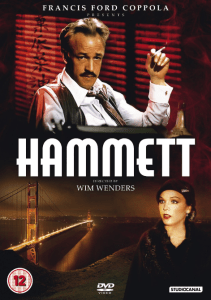 Booze and coughing fits figure prominently in the movie, as you would expect given a protagonist who was an alcoholic with tuberculosis. For the sake of convenience the story that Hammett just finished before blacking out was one featuring his character the Continental Op (as in an operative for the fictional Continental Detective Agency).
Hammett awakens to find his most recent work being read by Jimmy Ryan (Peter Boyle), his old mentor from his Pinkerton days. Ryan jokes with “Sam” (Samuel Dashiell Hammett was his full name if you’re new to all things Hammett) that the “man with no name” in the story seems to be based on him (Ryan) and the way he operates.
Eventually Jimmy gets to the point: he saved Hammett’s life when our hero was new at detective work, and Ryan is finally calling in the debt that Sam owes him for that. The former colleague thus lures Hammett back into detective work for one last case. Continue reading
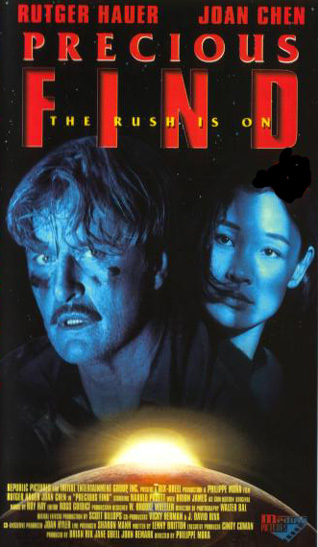 PRECIOUS FIND (1996) – This is a hilariously bad attempt to do a science fiction version of The Treasure of the Sierra Madre. That description makes this movie sound much, MUCH better than it really is.
 GANG OF ROSES (2003) – The annual Frontierado Holiday, coming August 2nd this year, is about the myth of the Old West, not the grinding reality. So is the movie Gang of Roses, which is why I cannot believe the merciless reviews this fun, harmless, escapist movie has gotten. I find it far better than the similar Bad Girls.
 Let me give a quick synopsis, then take a look at the main characters, following which I will state my counter-arguments to the most frequent criticisms leveled at this female-led Western:
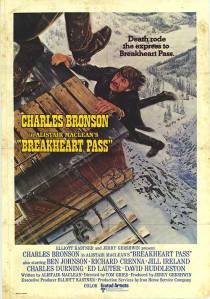 BREAKHEART PASS (1975) – (Frontierado is coming up August 2nd and, as always, it’s about the myth of the Old West, not the grinding reality.) Alistair MacLean may be more closely associated with espionage and crime thrillers like When Eight Bells Toll, The Eagle Has Landed and Puppet on a Chain but his lone Western, Breakheart Pass, is a very solid story which transfers MacLean’s usual themes to the American West.
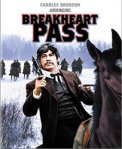 Some critics bash this above-average film because they apparently thought Alistair MacLean’s name on the script meant it would be an over-the-top Western Spy actioner along the lines of Robert Conrad’s old Wild Wild West television series crossed with Where Eagles Dare. Instead, Breakheart Pass comes closer to grittiness than slickness and is all the more enjoyable for that.

 During the two years that Kid Russell worked for Lucky Boy, he learned all about trapping and hunting, though he never fully warmed up to either trade, however, since he preferred painting wildlife to blood-sports. He took much more enthusiastically to learning the survival lore that went hand-in-hand with them.
 THE COMIC (1985) – Virtually every film buff today knows the tale of Sam Raimi, Bruce Campbell and Robert Tapert raising money from doctors, grocers and dentists in Michigan to finance their subsequent horror hit The Evil Dead.
 The Comic takes place “in another place and another time” according to one of the female characters. From appearances it’s a near-future police state in which fairly ambiguous laws are enforced by goose-stepping goons who wear their hair in ponytails. This film seems to be reaching for the heights achieved in cult films like Eraserhead and Café Flesh but falls so far short that it’s more like The Jar.
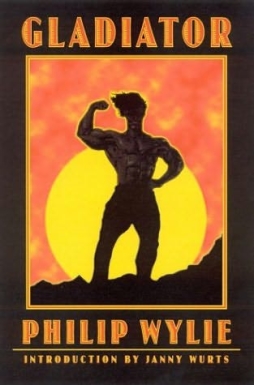 Even though there are signs here and there that audiences are getting fatigued with the oversaturation of superhero adaptations for the big and small screens, there still doesn’t seem to be any end in sight.
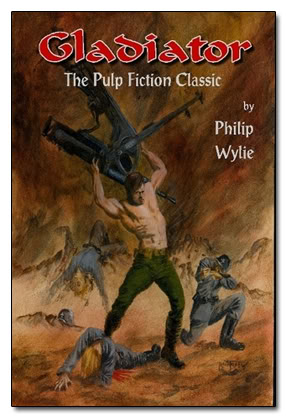 The central character uses his powers in World War One but afterward must cope with the limits of “super-powers” when it comes to dealing with political corruption and other problems that can’t be solved with violence. Or in which flexing his super-muscles would be counter-productive, maybe even ushering in a dictatorship.

 THE LAST DAYS OF PATTON (1986) – George C Scott SINGS! Yes, an ENTIRE SONG while camping it up like he’s in a vaudeville revue!
 Roughly half of the movie is spent with the great George C Scott in a hospital bed, like we’re watching Whose Life Is It Anyway, Ya Pusillanimous Sons of Bitches? Scott is always watchable, and really shines here, but the other actors have no room. With such a gigantic figure – real-life Elmer Fudd voice aside – it may have been like that in reality, too. Sharing any stage with the likes of George S Patton must have been suffocating for one’s own ego.
 COMIN’ AT YA! (1981) – Directed by Ferdinando Baldi, Comin’ At Ya! is often credited with starting the pointless and bizarre 1980s revival of 1950s-style 3D movies. The film stars Tony Anthony, famous to us Spaghetti Western fans for the movie series in which he played a gunslinger called the Stranger. He appeared in others, as well, some reasonably good and others, like Blindman, so bad as to be virtually unwatchable.

 Our main character, Triple H, ain’t havin’ it and sets out to recover his new bride and set free the other unfortunate women seized by the Thompson Gang. Needless to say he’ll also kill every member of the gang as well as some of the snobbish, upper-class Mexican aristos – male and female – who buy the ladies at an elegantly-appointed mansion/ former convent now used for slave auctions.
 THE RUINED BRUIN (1961) – Written and directed by THE John K McCarthy, The Ruined Bruin was another one of those late “nudie cuties” which would make modern audiences yawn and wince … But would no doubt REALLY excite Furries!

