
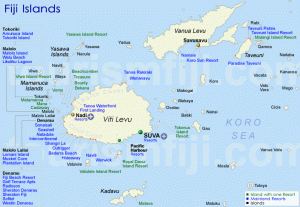
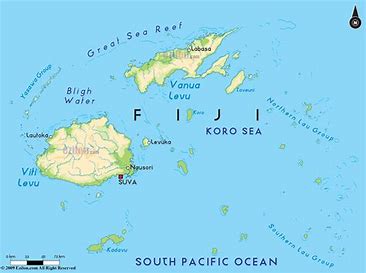
 In the past Balladeer’s Blog has examined the gods and myths of Polynesian people in Hawaii, Samoa, Bellona and Rennell. This time around I’m taking a look at the neglected gods of the Melanesian people of Fiji.
NOTE: I am spelling the names of the deities phonetically to make it easier for readers to know how to pronounce them. I’m doing this to avoid the awkwardness of having to remember the odd rules regarding how to pronounce certain consonants.
For instance “Q” is pronounced “ng-g” so with the name of the shark god, spelled Dakuwanqa in that system, I will spell it Ndakuwang-ga so readers don’t have to remember how Q is supposed to be pronounced or that “D” is pronounced “nd”. After all, the Fijians certainly were not using our alphabet prior to contact with Europeans, so I think it’s inefficient to expect readers to remember odd pronunciation rules for letters that the Fijians never used to begin with.
KONOSAU – The god of stillborn infants. Originally born dead to the first Bau woman taken to Rewa, this entity became the patron deity of such offspring. His main temple is called Nai Bili.
NAITONU – The god of nudity. I’m not joking. Naitonu hates the custom of wearing clothing and not only is he constantly naked but he expects nudity from everyone entering his territory – even if they are just passing through. Failure to comply will result in the offender being struck with leprosy.
 ALEWANISOSO – The patron goddess of travelers and hospitality. Regardless of their tribe, fellow Fijians who reach one of Alewanisoso’s temples can be assured of not being harmed during their stay – usually an overnight one.
Hostility or rudeness of any kind is taboo in her temples and everyone entering is expected to conduct themselves as gently and courteously as they would when wooing a mate.
 ROKOMAUTU – A son of the supreme deity Ndengei by his sister. This deity was born from his mother’s elbow as another example of birthing oddities in world mythology. Rokomautu was so headstrong he tried to force even his own parents to worship him.
Rokomautu falls into the mythological category that Balladeer’s Blog’s readers will remember as a Divine Geographer. When Ndengei first created the world the land was featureless, so he sent his son Rokomautu to provide character. The god sculpted the Earth’s various geographic features.
The sandy beaches of Fiji were created by Rokomautu dragging his flowing robe over the terrain. When the god pulled up his robe while walking the land became rocky or filled with mangrove bushes. By some accounts anywhere that he spat a lake or river would form. Continue reading
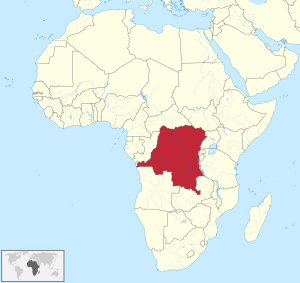 After Balladeer’s Blog’s examination of the Mwindo Epic many readers expressed an interest in Nyanga mythology. I’m all about giving readers what they want so here are brief looks at the deities of the Nyanga people.
  PART 58 – Here are some of the targets of James Larkin Pearson’s version of The Fool-Killer from August of 1912.
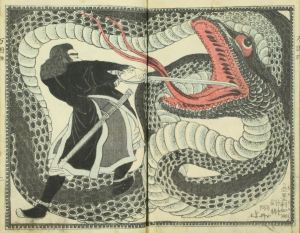 Their view of American history is mind-boggling. This 1861 work of “J-History” if you will, features little-known events like JOHN ADAMS FACING A GIANT SNAKE (left) and George Washington fighting a tiger. It also corrects the mistaken assumption that Washington’s wife was named Martha when her real name was apparently “Carol.” (?)
 PART 57 – Some of the Fool Killer’s targets in the July 1912 edition of James Larkin Pearson’s version of The Fool-Killer. As I always point out, Pearson was difficult to categorize, which makes things interesting because he combines what we think of as left-wing and right-wing attitudes.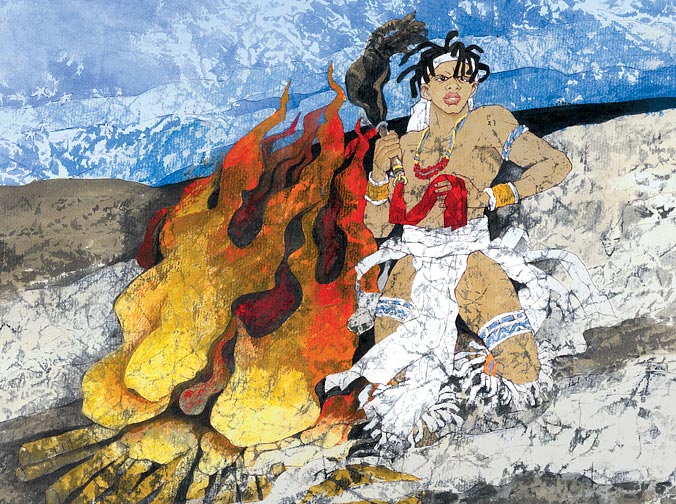

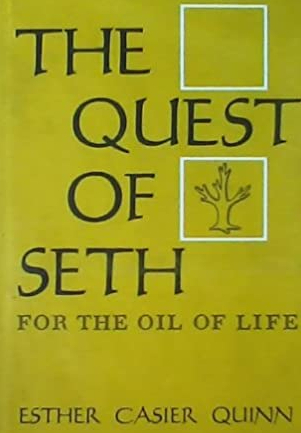 THE QUEST OF SETH FOR THE OIL OF LIFE (1962) – Written by Esther Casier Quinn, this is one of the best and most concise works of comparative mythology that I have ever read. I meant to review this book way back when I started Balladeer’s Blog in 2010 but for various reasons it kept falling by the wayside. The Quest of Seth for the Oil of Life is also known as The Quest of Seth for the Oil of Mercy, The Legend of the Rood and many other titles.
  Balladeer's Blog