
Balladeer’s Blog continues its examination of the many facets of Fool Killer lore. FOR PART ONE, INCLUDING THE HISTORICAL CONTEXT IN THE 1850s, CLICK HERE.
 PART 79 – As always, it’s fascinating to read the over 100-year-old opinions of James Larkin Pearson (and by extension his Fool Killer), including the opinions that one doesn’t agree with. Here are some of the Fool Killer’s targets in November 1915.
*** Christians who called for America to enter the World War on the side of the Allied Powers, depicting them as pious hypocrites who wanted to go to war for the benefit of the wealthy and powerful.
*** President Woodrow Wilson, depicting him as neglecting all national problems while paying far more attention to his romance with Edith Bolling Galt, like himself widowed. The two would marry in December 1915.
*** Tycoon – or plutocrat as Pearson and his Fool Killer called the wealthy – John D. Rockefeller II, who assumed the reins of his father’s corporate empire. “Johndee the 2nd” was depicted using phony charm in contrast to the open contempt that his father had shown to the working class. They especially targeted John II’s P.R. stunt of visiting miners for some photo opportunities.
*** Imperial Japan for intimidating and browbeating China.
*** People who opposed voting rights for women.
*** The Anglo-French Committee, who came to America wanting a Half-Billion-Dollar loan to keep fighting the war. Continue reading
 PART 78 – As always, it’s fascinating to read the over 100-year-old opinions of James Larkin Pearson (and by extension his Fool Killer), including the opinions that one doesn’t agree with. Here are some of the Fool Killer’s targets in October 1915:
  PART 77 – As always, it’s fascinating to read the over 100-year-old opinions of James Larkin Pearson (and by extension his Fool Killer), including the opinions that one doesn’t agree with. Here are the Fool Killer’s targets in September 1915. There was no August issue that year.
 PART 76 – As always, it’s fascinating to read the over 100-year-old opinions of James Larkin Pearson (and by extension his Fool Killer), including the opinions that one doesn’t agree with. Here are the Fool Killer’s targets in July, 1915:
 PART 75 – Regular readers may notice that picking up in June of 1915 is quite a jump from last week’s Fool Killer installment, which left off in Fall 1914. That’s because I can honestly say that James Pearson’s version of The Fool-Killer hit a decided creative dry patch for several months.
 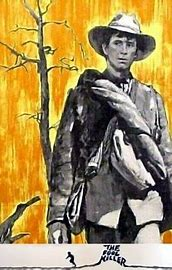 PART 73 – Some of the Fool Killer’s targets on both sides of the aisle in the July of 1914 edition of James Larkin Pearson’s version of the folk figure.
 *** Bootleggers who were hurriedly transporting as much whiskey as they could from Virginia into North Carolina, where booze was now illegal. They did this because they could charge much more for liquor in a state where it was officially banned.
