
Balladeer’s Blog’s end of year retrospective continues with this look at June’s best:
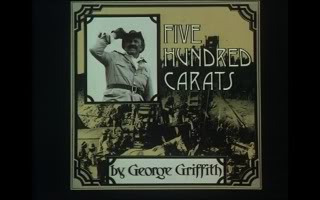 INSPECTOR LIPINZKI: RIVALS OF SHERLOCK HOLMES (1973) – The best episode of Season Two involved this detective investigating the spectacular theft of a huge diamond. Click HERE.
DEMOCRATS HAVE A PLAN FOR YOUR LIFE … WHETHER YOU LIKE IT OR NOT – It often seems like in America you’re only as free as the most intolerant Democrat allows you to be. Click HERE.
THE ARTIFICIAL MAN (1884): ANCIENT SCIENCE FICTION – The tale of an artificially designed human being. Click HERE.
 THE FIRST TWENTY CAPTAIN AMERICA STORIES OF THE 1940s – The Golden Age adventures of the red white and blue superhero. Click HERE.
JOURNALISTS AGREE THAT DEMOCRAT BIAS HAS KILLED THEIR PROFESSION’S CREDIBILITY – The title says it all. Click HERE.
PRIZE COMICS SUPERHERO PANTHEON – Another 1940s group of superheroes who are all but forgotten. Click HERE.
 VICTIMS OF THE DEMOCRAT RIOTERS SPEAK OUT – The victims of color who suffered through the Democrat riots this year were ignored by the Democrats’ media outlets. Click HERE.
FOOL KILLER: MAY 1911 – James Larkin Pearson’s version of the Fool Killer continues his career. Click HERE.
DEMOCRAT VOTE FRAUD SCANDALS IN NEW JERSEY AND WISCONSIN – Yes, even in June more and more Democrat vote fraud scandals were making the news. Click HERE.
DEFECTIVE DETECTIVES (1971) – A BBC show with Max Carrados the blind detective and others. Click HERE. Continue reading
 For Balladeer’s Blog’s review of the very first episode of this 1971-1973 series about London by Gaslight detectives from both the Victorian and Edwardian Ages you can simply click
 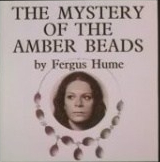 Episode: THE MYSTERY OF THE AMBER BEADS (April 23rd, 1973)
 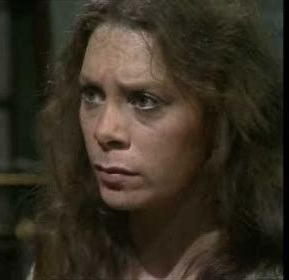 The enterprising young Gypsy woman picked up the pawn business quickly, combining her already wily anti-establishment Romany ways with her uncle’s eye for value and hard-nosed negotiating skills. Naturally, at a pawnshop, Hagar often dealt with criminals, gamblers and wastrels. While managing the shop for her uncle, Miss Stanley also found herself solving assorted murders, thefts and other crimes.
 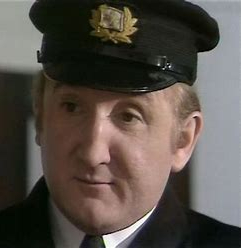 Episode: THE LOOTING OF THE SPECIE ROOM (April 16th, 1973)
 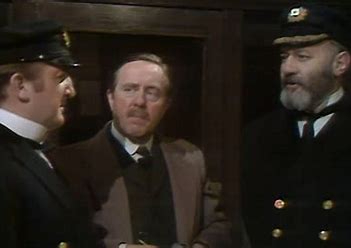 Synopsis: The RMS Oceanic is hoping to pull off a double-coup – hauling a record-setting TWO HUNDRED FIFTY-THOUSAND dollars in gold bullion (or $9,137,670 today) from New York City to Southampton AND setting a new speed record for a trans-Atlantic voyage. Lord Altington, the owner of the shipping line, is aboard to oversee this venture and keep the pressure on the crewmembers.
  Episode: ANONYMOUS LETTERS (March 19th, 1973)
 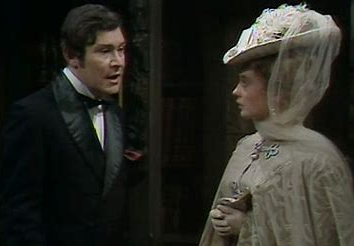 Trostler doesn’t expect any pay and usually goes without any public credit, because if he has resolved the case properly no one will ever know he or his clients played any role in certain events.
  Episode: THE SENSIBLE ACTION OF LIEUTENANT HOLST (March 4th, 1973)
 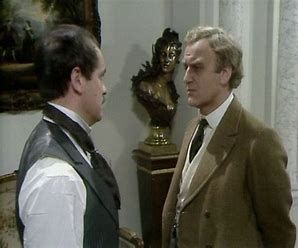 John Thaw portrays Lieutenant Holst but neither boozes like Inspector Morse nor manhandles suspects like he did in his Sweeney days. Holst displays a casual savviness and a street-smart air, especially when dealing with a slippery hotel front desk employee. “Professional” is the defining adjective for Thaw’s Holst.
 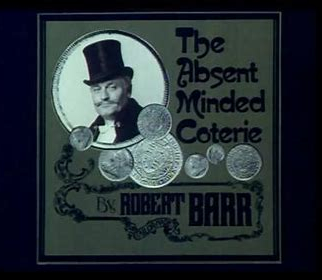 Episode: THE ABSENT MINDED COTERIE (February 26th, 1973)
 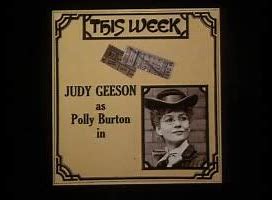 Episode: THE MYSTERIOUS DEATH ON THE UNDERGROUND RAILWAY (January 29th, 1973)
  Lady Molly was the actual detective in her stories. Polly Burton (Judy Geeson), while a spunky reporter who never lets people belittle her over her gender, was really just the Archie Goodwin/ Dr Watson for the Teahouse Detective aka the Old Man in the Corner.
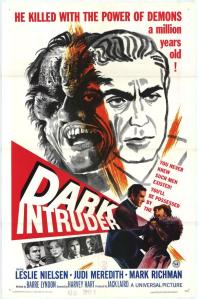 DARK INTRUDER (1965) – This thoroughly enjoyable piece of Forgotten Television was a failed pilot for a series. Supposedly the network passed on it because they thought it was too scary and gruesome for tv viewers of the time. Instead they released this 59-minute black & white gem to theaters as the second title for double features.
 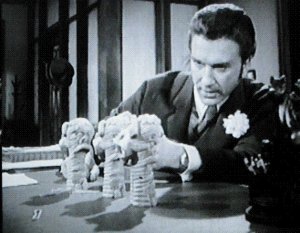 Brett Kingsford maintains a quasi-secret identity. On the surface he’s known in San Francisco as a bon vivant and ladies’ man and when the police want to consult him over something supernatural he dons various disguises to rendezvous with them. That way nobody in his usual social circles is made aware of his connections with the cops.
  For Balladeer’s Blog’s review of the first episode of this 1971-1973 series about London by Gaslight detectives from both the Victorian and Edwardian Ages you can simply click
 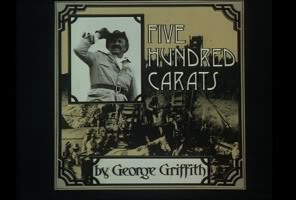 Episode: FIVE HUNDRED CARATS (February 5th, 1973)
 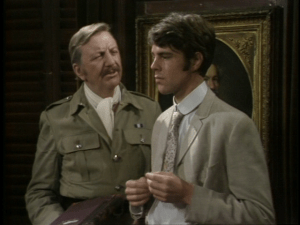 For the first time in this series we have a story set outside Great Britain, which I found to be a welcome change of pace. Leo Lipinzki (Barry Keegan) works as a Detective Inspector for the Cape Police, but technically the already wealthy and powerful De Beers Diamond Corporation is who he really answers to.
