
 Balladeer’s Blog presents another examination of an ancient Greek comedy.
TAXIARCHOI (Tax Collectors) – By Eupolis. Tax Day – which April 15th USUALLY is – is the most appropriate day to examine this comedy because its premise serves as a pointed reminder of the inherent ugliness in all taxation – that the power to impose and collect taxes is, ultimately, backed up by the use of force. (If you doubt me go without paying your personal property taxes. Then we’ll discuss how much you truly “own” your home or your car.)
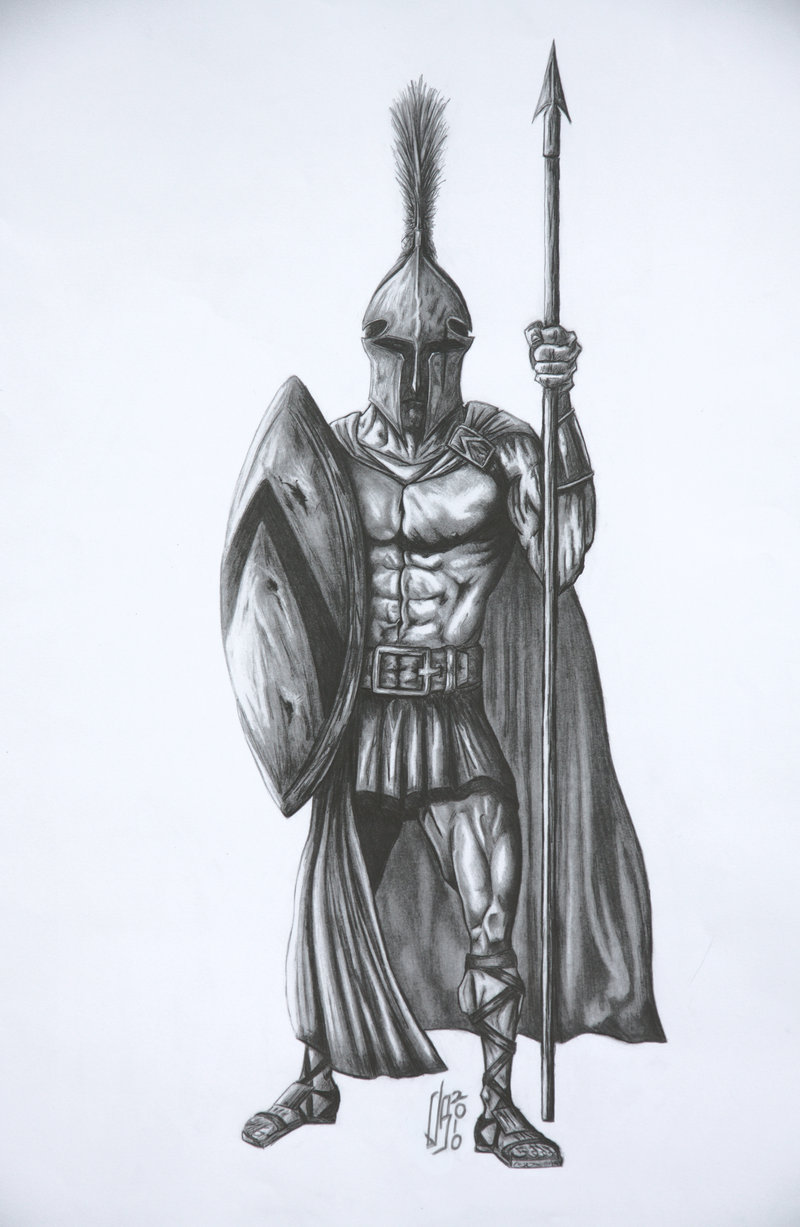
In Taxiarchoi the god Dionysus is depicted joining the title military unit. Those Taxiarchoi units would periodically collect the “taxes” or – in its most honest form – “tribute” from the various regions, not only of Athens proper but of the Athenian subject states. Military units were necessary for such tasks for the reasons you would expect – attempted resistance on the part of those being taxed and/or attempted robbery by bands of thieves after the taxes had been collected.
Sometimes a particular community might try to poor-mouth their circumstances and provide the taxiarchs with less money than had been assessed against them. In such cases the officer in charge was empowered to either seize portable property to make up the difference or to ransack the town and its vicinity to determine if the citizens were simply hiding their wealth. Continue reading
 The “greater” variation, to the proud, sea-faring Athenians, who “ruled the waves” long before Britons came along, involved throwing their wine-lees at plates floating in a pool, with the winner being the one who sank each plate. This small-scale equivalent of naval warfare was, according to Athenaeus, the more prestigious version and was characteristic of a more “high-end” party.
 By reader request here is a blog post featuring a brief synopsis of the subject matter to each of the dozens of reviews I’ve written of ancient Greek comedies. Some of you indicated that you don’t like clicking on one with no idea what it will be about, so here we go.
  ASK BALLADEER: Who is your favorite Attic Old Comedian outside of Aristophanes?
  Anteia was written by the comic poet Philyllius. This comic poet’s career seems to have spanned approximately from the 410s BCE to 390 BCE. One of his comedies won 1st prize at a Lenaea festival in the 390s and he won 1st prize at an unknown Dionysia. His fellow comedian Strattis credited him with being the first Attic Old Comic to use real torches on stage.
 Balladeer’s Blog frequently examines ancient Greek comedies written by Aristophanes, Cratinus, Eupolis and others. Recently I was put in mind of the way those comedians often satirized the “professional accusers” in the political and legal forums of ancient Athens.
 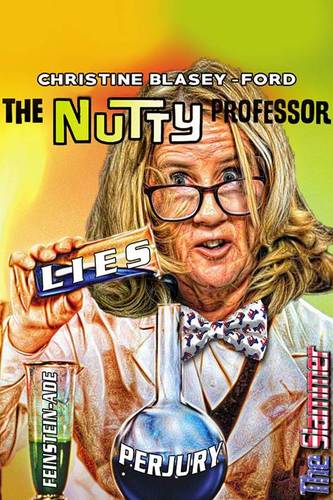 Demagogues like Cleon and Hyperbolus and others often used “professional accusers” against their political opponents. These figures – called sycophantes by the ancient Athenians – are often termed “informers” in many translations of Greek comedies but I feel the word accuser is more accurate.
  Here at Balladeer’s Blog I’ve been reviewing ancient Greek comedies for years and a fair amount of people have recently asked me why I didn’t take the traditional view of Aristophanes’ comedy The Birds. That traditional view claims that The Birds was written at least partially as a commentary on the failed military expedition to Sicily.
 Balladeer's Blog