
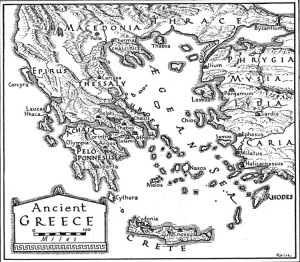
 For some prep as I at last get back into reviewing the surviving fragments of ancient Greek comedy every now and then, here’s my 2011 review of Demoi by Eupolis. Along with Aristophanes and Cratinus, Eupolis was one of the Big Three of Attic Old Comedy. Background info is HERE.
THE PREMISE
Demoi is considered to be Eupolis’ greatest political satire. The premise is simplicity itself. An Athenian named Pyronides, like many of his fellow citizens, is disgusted with the pettiness, corruption and incompetence of the current crop of political and military leaders in the great city-state. Thus motivated, Pyronides retrieves four of the greatest figures of Athens’ storied past from the Netherworld and brings them back with him so they may set things right.
THE PLAY
In my introductory post about AGC (see above) I illustrated the similar problems faced by the Athenians’ ancient experiment in popular rule and our own often teetering enterprise. Corruption, partisanship and a tendency to subordinate the general good in the name of personal gain were as rampant then as now.
As all societies are prone to do, the Athenians romanticized the leaders of the past, believing them to be of a heroic stature lacking in the current crop of Athenian politicians and generals. Pyronides sets out to restore the cultural and political capital of the Hellenic world to its glory days by descending into Hades’ realm and returning with Pericles, Miltiades, Aristeides and Solon the Lawgiver (just in case you thought I meant Solon the Bus Driver). Continue reading
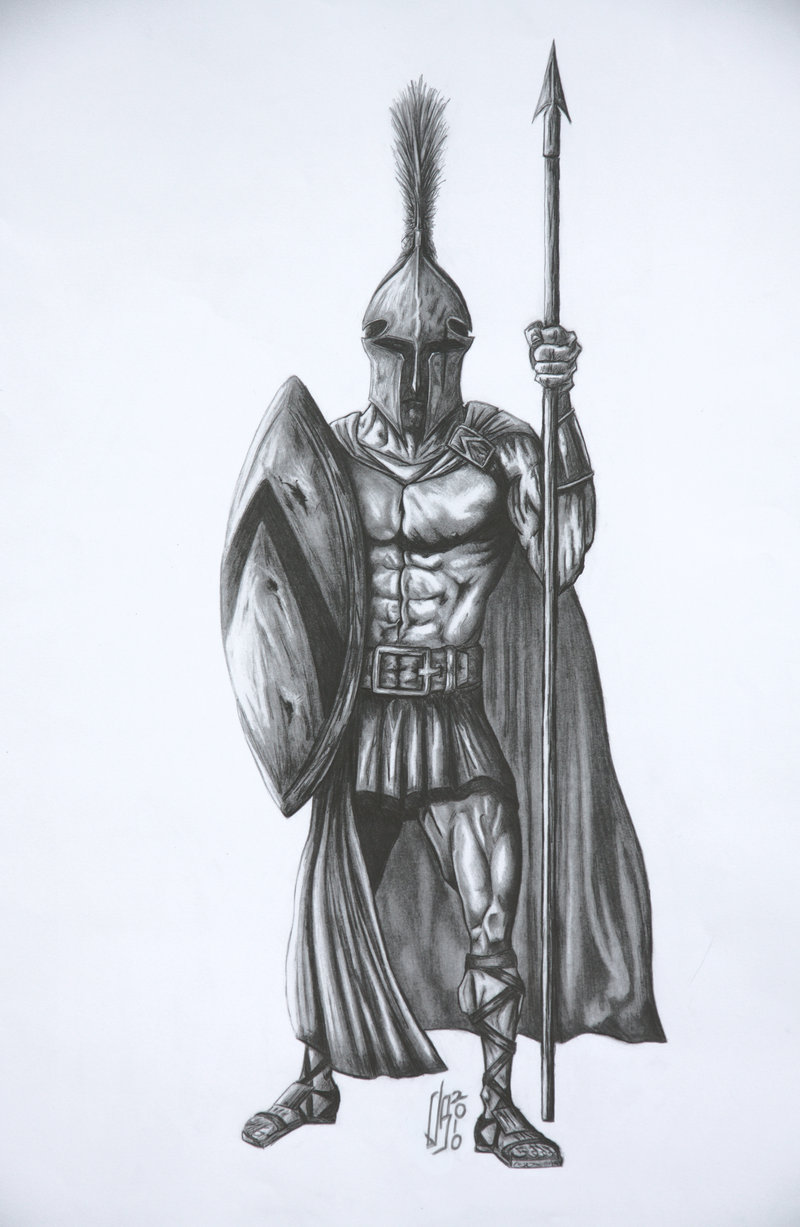
 AUTOLYCUS (420s B.C.) – Balladeer’s Blog examines the ancient Greek comedy Autolycus. This play was written by Eupolis who, along with Aristophanes and Cratinus, constituted the Big Three of Attic Old Comedy. As with so many comedies of the time period Autolycus has survived only in fragmentary form, unfortunately.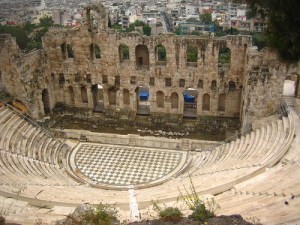
 The “greater” variation, to the proud, sea-faring Athenians, who “ruled the waves” long before Britons came along, involved throwing their wine-lees at plates floating in a pool, with the winner being the one who sank each plate. This small-scale equivalent of naval warfare was, according to Athenaeus, the more prestigious version and was characteristic of a more “high-end” party.
  TAXIARCHOI – Written by Eupolis, who – along with Aristophanes and Cratinus – was one of the Big Three of Attic Old Comedy. The premise serves as a pointed reminder of the inherent ugliness in all taxation – that the power to impose and collect taxes is, ultimately, backed up by the use of force.
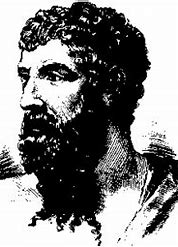 THE BANQUETERS – By Aristophanes. This was the very first comedy from the Athenian whose name is synonymous with ancient Greek comedies, especially political satires. The nineteen-year-old presented a landowner from Athens whose two sons were being introduced to his phratry brothers at a banquet dedicated to Herakles.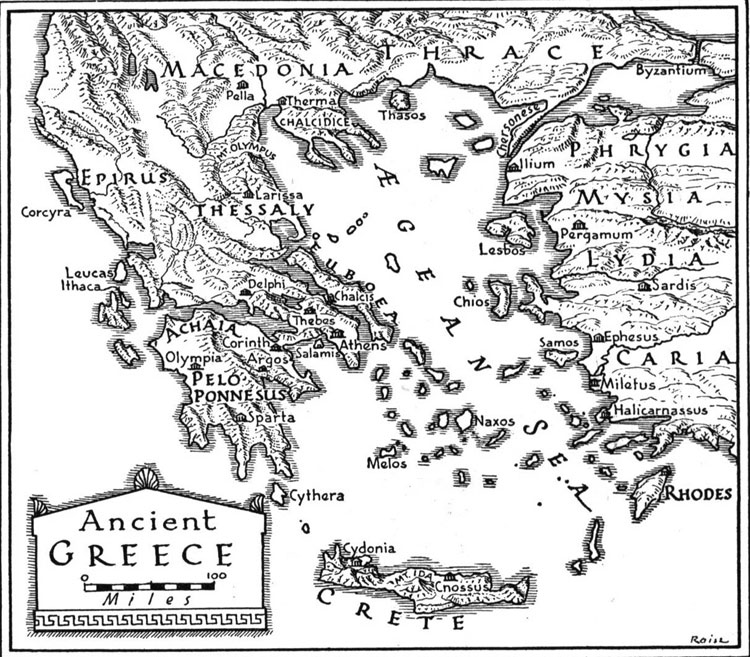
 WEALTH GODS (PLUTOI) – By Cratinus. In this satirical comedy the Titans are depicted overthrowing Zeus in a metaphor for the fall of the political leader Pericles. This was a reference either to his actual death or to the loss of his position as Strategos (Commander in Chief) depending on which year you go with for the comedy.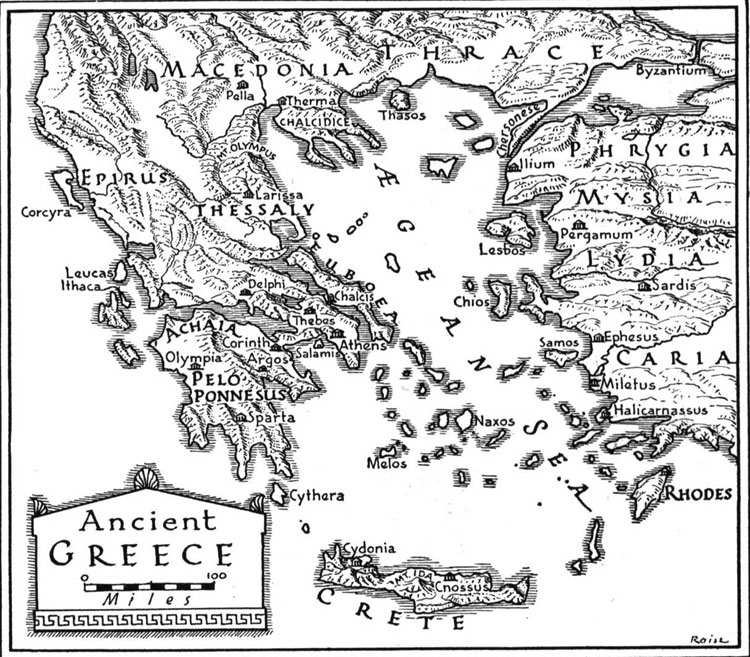
 LYSIPPUS – This writer of Attic Old Comedy redefines the expression “fragmentary” because even less is known about his life than about shadowy figures like Susarion and Epicharmus. Lysippus came in 1st place with an unknown comedy at a Dionysia around 440 BCE. Fragmentary evidence survives from just three of his comedies out of an unknown total body of work so this will be my shortest blog post on ancient Greek comedy.
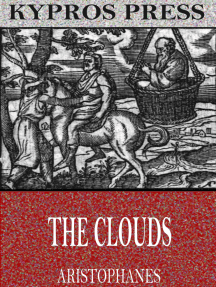 The Clouds was written by Aristophanes around 423 BCE and next to Lysistrata, which I examined last week, is the Big A’s most- discussed satire, mostly because of its lampooning of the philosopher Socrates, a contemporary of Aristophanes. Many modern readers, who have been programmed to sneeringly “deconstruct” old works of art rather than understand them, love to regard this comedy with hostility. They accuse Aristophanes of being “anti – intellectual” for subjecting Socrates in particular and the Sophist philosophers in general to the same satirical criticism that every other aspect of Athenian society was subjected to in comic plays.
  In the ancient Greek democracy Athenian citizens were expected to represent themselves in court in both criminal and civil proceedings.
