
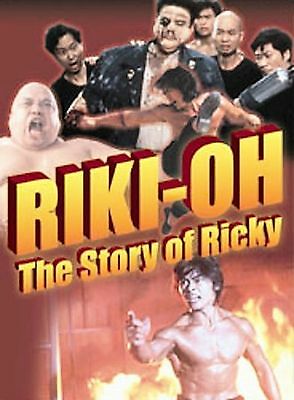
 RIKI-OH: THE STORY OF RICKY (1991) – Back when I started Balladeer’s Blog in 2010 this Hong Kong martial arts/ splatter film was among the first movies I planned to review. Feeling intimidated by the need to describe the sheer scale of the joyously tasteless violence in this movie I kept postponing it. Eventually, it seemed so notorious that I figured too many people knew about it for me to bother.
This week I was floored to meet a fellow fan of bad movies and learn that they had never even heard of Riki-Oh: The Story of Ricky. That galvanized me to finally post a review of the movie.
WARNING: For people who shy away from ultra-violence and the like, I will point out that this film usually grosses out and disgusts viewers just as much as some other flicks I’ve reviewed, like Father’s Day, Mandy, Lewd Lizard, Headless, etc. If you hated those reviews, you’ll likely hate this one, too.
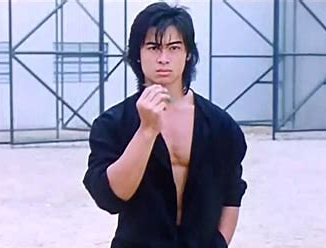 Riki-Oh (pronounced Ricky-HO) is also known as Violence King and with good reason. This Category 3 Hong Kong movie does the seemingly impossible – it more than lives up to the Japanese Manga it was based on. Siu-Wong Fan stars as the title character. Ngai Choi Lam directed and wrote the screenplay adaptation.
Get ready for a kung fu film which combines the violent sensibilities of the Three Stooges crossed with the gore of Psycho Gothic Lolita, Dead Alive plus the aforementioned Mandy and Father’s Day. Not to mention more shots of men standing at urinals than you’d see at a major league ball park. Continue reading
 With the movie Shang-Chi and the Legend of the Ten Rings trickling out, assorted readers have been asking me if I’ll do a blog post about the character. I did one back in June, but the release of the movie wound up getting delayed. Below is the link to that blog post in which I examined the first twelve Shang-Chi stories in the 1970s.
  KUNG FAUX (2003) – Created and crafted by Mic Neumann, this half-hour comedy series was basically a hip hop version of old movies and television shows that overdubbed non-comedies with comedic dialogue, music and sound effects. In Kung Faux‘s case it featured re-edited and highly stylized martial arts films from the 1970s overdubbed with contemporary music and a hip hop comedic sensibility.
 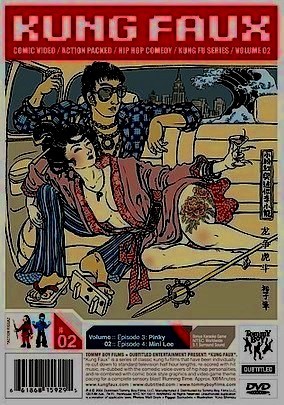 Though Kung Faux brands this treatment as “dubtitling” as a nod to dubbed and subtitled dialogue, the approach debuted on vintage television shows like Fractured Flickers (1963), in which celebrities would dub improvised comedic dialogue over old silent movies.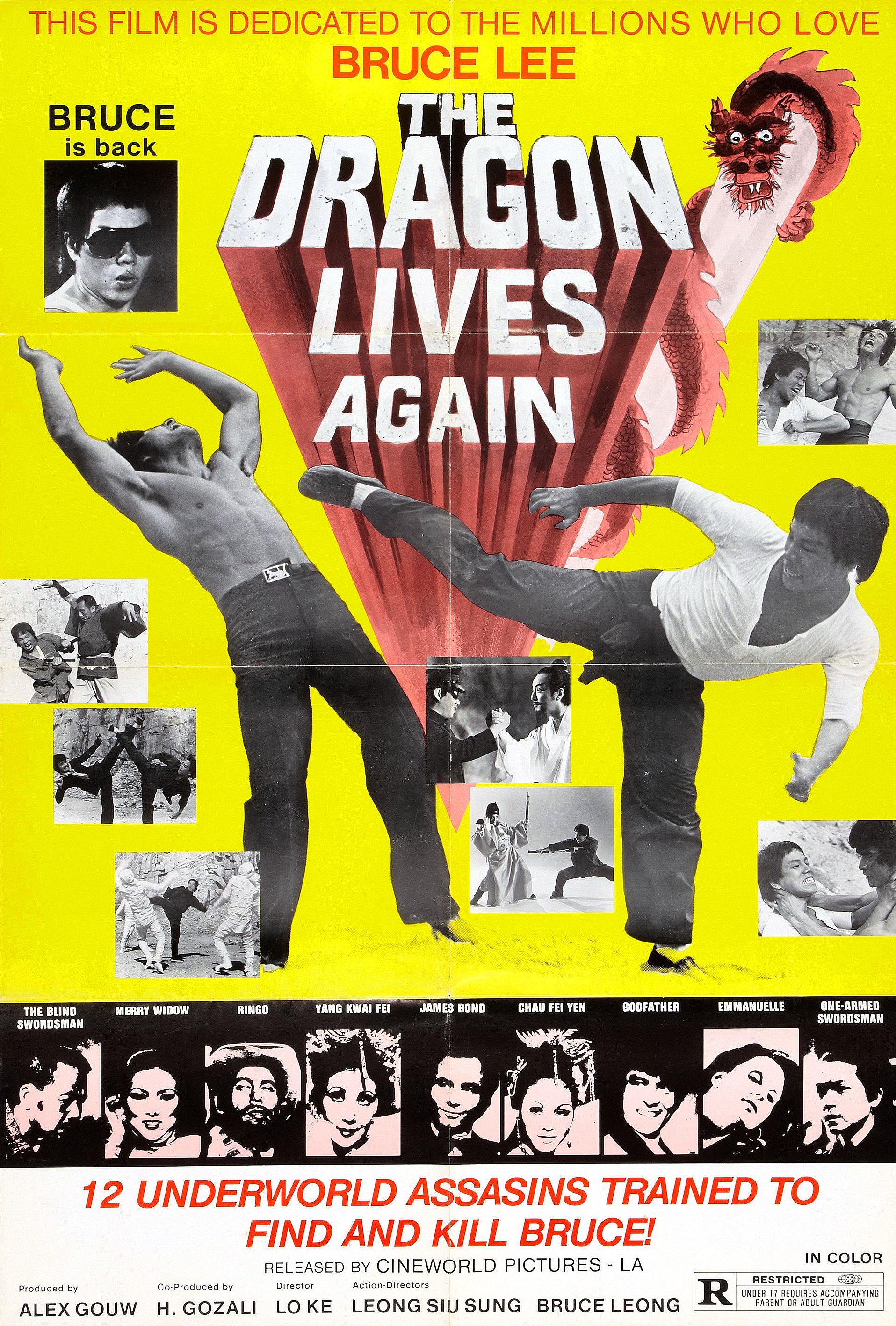
 Balladeer's Blog