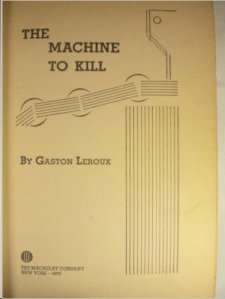
 Gaston Leroux – the author of The Phantom of the Opera – wrote The Machine to Kill in NINETEEN TWENTY-FOUR. Many book sites list it as 1935, but that was just the year it was finally translated into English. It has also been published in English under the titles The Bloody Puppet and The Gory Puppet.
Personally I would use the title The Clockwork Dead Man or The Clockwork Killer because for modern readers The Machine to Kill sounds like a traditional science fiction tale and both variations of the “Puppet” title make it sound like it’s about a killer puppet.
In reality this neglected Gaston Leroux novel is a horror/sci fi hybrid about an android/ cyborg mix whose mechanized body has been outfitted with the brain, eyes and nervous system of a guillotined murderer. The robotic man – called Gabriel – was created by Dr Jacques Cotentin, who needed an absolutely fresh brain, hence having to settle for a just-executed criminal.
And not just any criminal, but Benedict Masson, a monstrous-looking recluse put to death for a series of gory dismemberment killings whose quasi-sexual nature probably shocked readers in 1924. The foolish Dr Cotentin believed the brain and nervous system would simply serve as an operating system for Gabriel, animating his body but with no consciousness of its previous life. Continue reading
 Welcome back to Balladeer’s Blog’s month-long celebration of Halloween!
 Balladeer’s Blog’s month-long celebration of Halloween continues with this look at a variety of forgotten or neglected horror legends from American lore.
 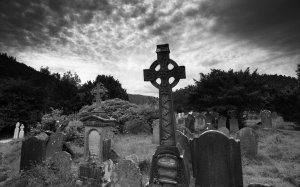 THE CORPSE-SMITH OF CONNECTICUT – Also called the Cadaver Master and the Carrion Engineer this mad scientist of Eastern European descent was the cause of the many vanished graveyards from Connecticut’s past. The Corpse-Smith scandalized 1770s America with his brilliant but macabre uses for every single resource he could possibly harvest from the bodies of the recently deceased.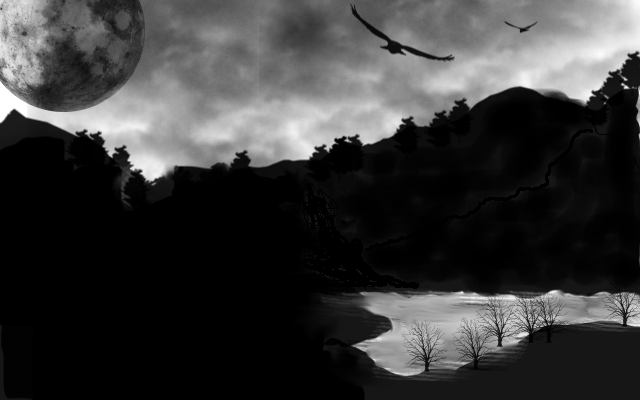
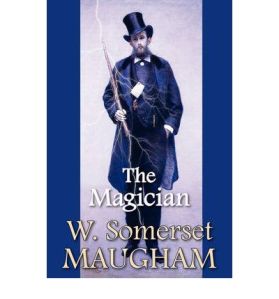 THE MAGICIAN – During Halloween Season a few years back Balladeer’s Blog reviewed the 1926 silent movie adaptation of The Magician. This time around I’ll review the original Somerset Maugham novel from 1908. It’s no secret at this late date that the malevolent sorceror of the title, Oliver Haddo, was based on the real-life Aleister Crowley. In fact, Crowley would accuse Maugham of plagiarism when he reviewed The Magician under the name Oliver Haddo, his fictional counterpart.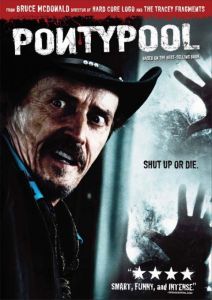
 He tries to liven up his boring gig on local radio by suggesting some unorthodox public behavior to his listeners and is as surprised as his female producer Sydney Briar (Lisa Houle) when people around the area begin taking him up on the suggestion. As reports continue to come into the tiny radio station it soon becomes apparent that the population isn’t just extremely receptive to suggestion, many of them have become living zombies with a desire to kill anyone not similarly stricken.
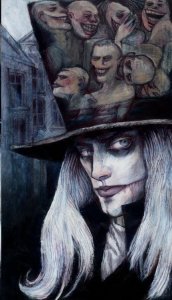
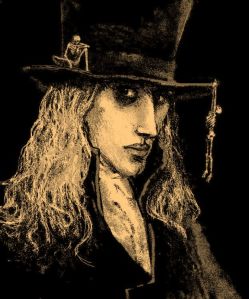 I am always glad to interact with readers of Balladeer’s Blog! Many of you have been asking for a guide to my examination of the surreal horrors in The Songs of Maldoror. Readers asked for it to be the same format I used for the Navajo epic myth about the war god Nayanazgeni battling the dark gods called the Anaye.