 JUNGLE JIM (1948) – Decades before Raiders of the Lost Ark, “Jungle Jim” Bradley, mercenary jungle guide and adventurer, was fighting Nazis, Communist Spies and other menaces while finding lost cities & ancient artifacts, all while romancing lovely ladies. Throw in the occasional dinosaur, giant spider or huge, man-eating eel and enjoy!
A modern Jungle Jim franchise could combine the best elements of Indiana Jones, Crocodile Dundee and Allan Quatermain. The Rock is too old now, but years ago his love of filming in jungles would have made him ideal for the role.
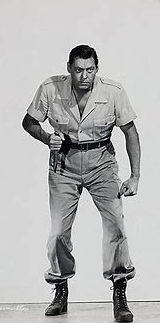 Jungle Jim, a former comic strip character, was featured in a 1937 serial, a series of movies in the 1940s and 1950s, plus a television series in that latter decade. Former Tarzan Johnny Weissmuller played Jungle Jim in everything but the 1937 serial.
At any rate, 1948’s Jungle Jim was Weissmuller’s first appearance as the character. Fifteen more movies and 26 television episodes would follow in all their fun, outdated, absurd and So Bad They’re Good glory.
THE STORY: Continue reading →

 SUN CONFERENCE CHAMPIONSHIP GAME – The SOUTHEASTERN UNIVERSITY FIRE and the SAINT THOMAS UNIVERSITY (FL) BOBCATS (should be Tomcats) were the last two teams standing in this conference tournament. At Halftime the Fire were clinging to a 32-30 edge. From there Southeastern U. managed more separation from the Bobcats to win the game by a final score of 70-62. Reggie Mesidor’s 24 points led the Fire while his teammate Riley Minix logged a Double Double of 18 points and 13 rebounds. Continue reading
  Balladeer’s Blog takes a look at my top horror movies of the past fifty years. It is NOT a list of my all-time favorite horror films, just the ones that fall within the round number of fifty years.
 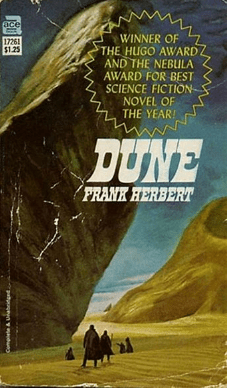 DUNE: THE OPERA – Previously I wrote about how Philip Wylie’s science fiction novel
  STORY: My fellow Dune geeks may get annoyed with this change, but remember, adaptations for staged performances have to be made very tight. I would start out at the Arrakeen Great Hall as the family and court members of House Atreides have just arrived on Arrakis/ Dune, the desert planet. All the scenes that the book covered while the Atreides family were preparing to depart their home on Caladan would instead play out shortly after their arrival on their new planetary fiefdom.



 USA SOUTH CONFERENCE CHAMPIONSHIP GAME – The last two teams standing in this tournament were the MARY BALDWIN UNIVERSITY FIGHTING SQUIRRELS and the GREENSBORO COLLEGE PRIDE. By Halftime the Fighting Squirrels held a slight 30-28 edge. After the break Mary Baldwin University left their opponents further and further behind on their way to a 72-62 triumph. Luke Ogle led the Squirrels with 15 points.
 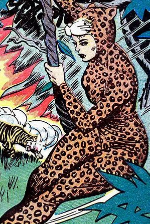 LEOPARD GIRL
  Powers: Leopard Girl employed her supernatural “cry of the leopards” to use a small army of leopards to help her fight the forces of evil in Africa. She could interact with the Dark Continent’s ghosts, who saw her as an ally.
  Comment: In her secret identity as “Gwen”, Leopard Girl worked with research scientist Dr. Hans Kreitzer. Her fellow assistant was named Peter, whom she once carried with one arm while swinging through the jungle.
  From Joe Biden’s corporate fascist kleptocracy, here’s the latest on current events from
 ROUND ONE: GAME ONE – The MAYVILLE STATE COMETS took the court against the VALLEY CITY STATE VIKINGS. By Halftime the Comets held a 39-32 advantage over their opponents. After the break, Mayville State got more and more separation from the Vikings for an 82-68 victory. Jamison Kramer led the Comets with 18 points while teammate Darren Jones logged a Double Double of 10 points and 13 rebounds.
 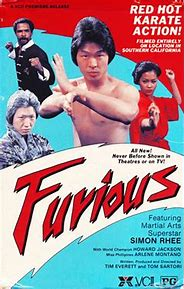 FURIOUS (1984) – It’s been a while since I’ve reviewed a classically bad movie here at Balladeer’s Blog. To remedy that here’s a look at the wildly out there film Furious, one of the most joyously weird action/ fantasy movies ever made. It’s like the most incoherent dream that anyone ever described to you.
