
Previously, Balladeer’s Blog examined non-Biblical Samson myths depicting the figure as a sun god. Here in this second installment, I will look at some of the traditions regarding Samson in Islamic literature. For the first post in this series click HERE.
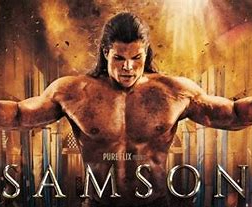 SAMSON IN ISLAM – Right at the start, I’ll make it clear that there is no specific reference to Samson in the Koran. Period. In some of the other scholarly writings by Muslim authorities of the distant past they included Samson aka Shamsun by speculating that he was among the many unnamed prophets of their faith.
However, some of those sources simply list Samson as one of the Judges in the Children of Israel chapters and tend to keep him in the same time period as Biblical tales of the long-haired strong man. Other Islamic sources specifically name Samson/ Shamsun and place the period of his life anywhere from the 1st Century B.C.E. to the time of the Christian Saint George.
 NOTE: Yes, that still puts Samson’s existence before Muhammad was even born, but the academic and religious debates about this are outside the material I am covering in this post.
For brevity’s sake I will avoid the in-depth arguments regarding exactly when Islam’s version of Samson supposedly lived. Suffice it to say that the Muslim literature in question states that Samson was born in a “Roman” city, placing his lifetime during the Roman occupation of the Middle East. This is much later than Biblical accounts of Samson. Continue reading
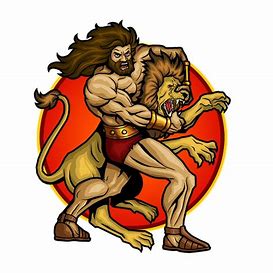 SAMSON AS A NON-BIBLICAL SUN GOD – Before getting into the Biblical and Talmudic Samson tales, let’s take a look at the tradition of Samson being an ancient sun deity. In this context his “seven locks/ braids of hair” were seven solar rays emanating from his head like in ancient artwork of other solar figures.
 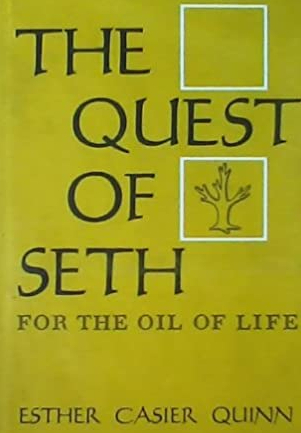 THE QUEST OF SETH FOR THE OIL OF LIFE (1962) – Written by Esther Casier Quinn, this is one of the best and most concise works of comparative mythology that I have ever read. I meant to review this book way back when I started Balladeer’s Blog in 2010 but for various reasons it kept falling by the wayside. The Quest of Seth for the Oil of Life is also known as The Quest of Seth for the Oil of Mercy, The Legend of the Rood and many other titles.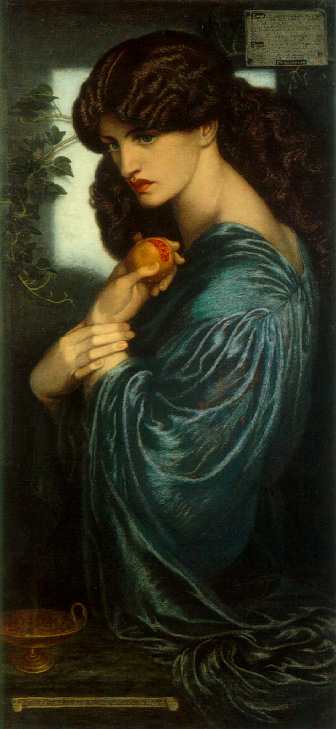

 Balladeer’s Blog examines two more ancient works which – if they had been deemed “authentic” (LMAO) – might have resulted in very different versions of Easter celebrations.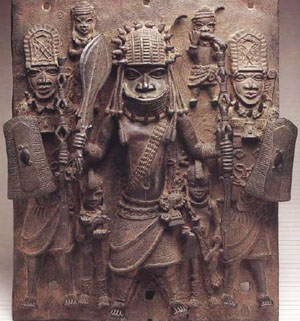
 Balladeer’s Blog continues examining various accounts of dead and resurrected deities, as is customary at this time of year.
  THE GOSPEL OF NICODEMUS – Despite the title of this gospel, Nicodemus doesn’t even show up until section five. This alternate scripture started out as
  Balladeer's Blog