Tag Archives: Apocryphal Gospels

HAPPY EASTER 2026! THE GOSPEL OF PETER

For Easter Sunday, here’s another look at an Apocryphal Gospel that was designated non-canon centuries ago.

THE GOSPEL OF PETER – This Gospel was in wide use in the Middle East until at least the 2nd Century A.D. Its contents would still be completely unknown if not for a fragment of the Gospel being discovered in the tomb of a Christian monk in Egypt late in the 1800s.

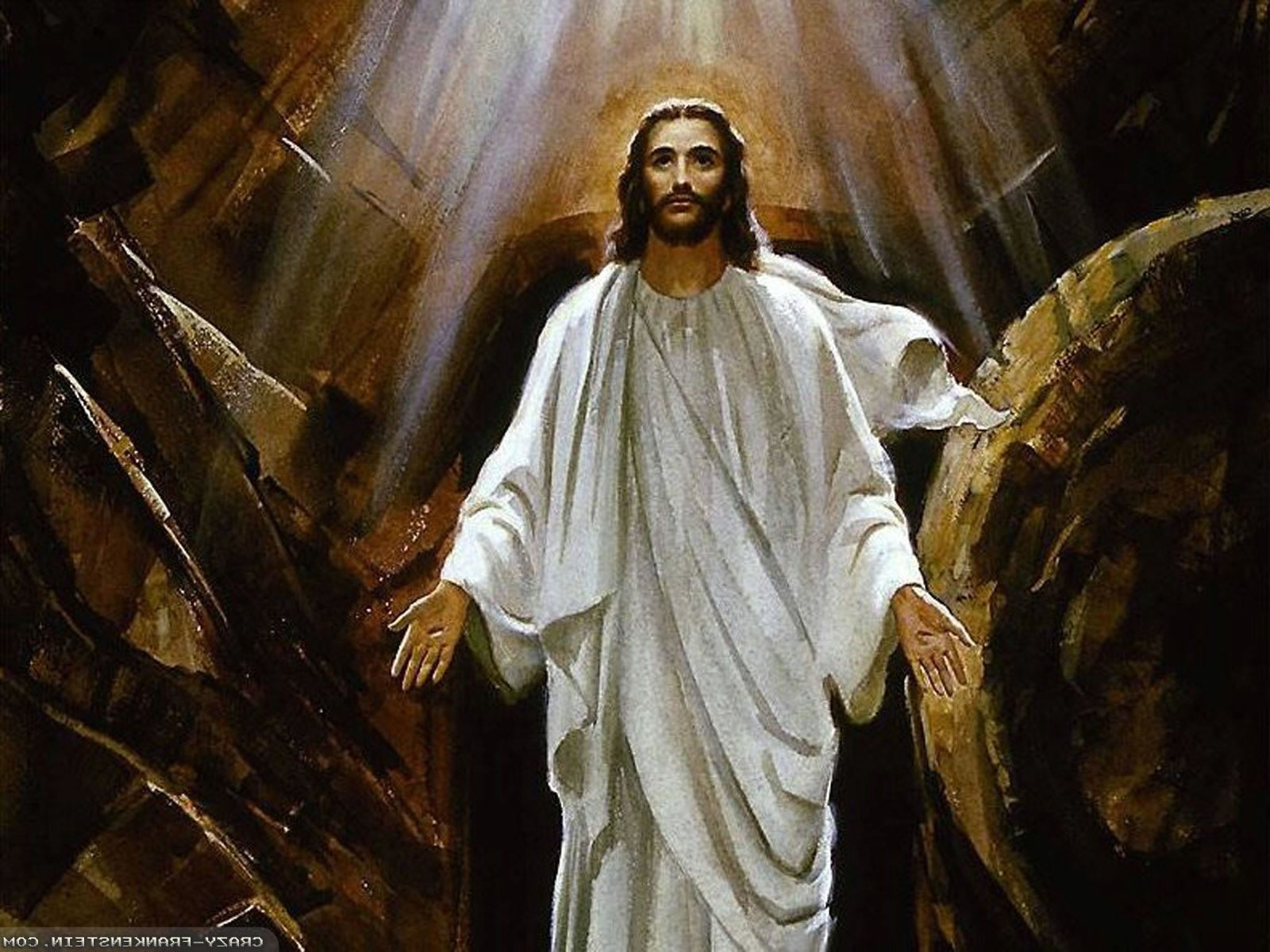
In The Gospel of Peter when Jesus emerges from his tomb upon being resurrected he is the size of a giant “whose head reaches above the Heavens” and is being helped from the tomb by a pair of equally giant-sized angels. Continue reading

14 Comments

Filed under Uncategorized

APOCRYPHA: THE INFANCY GOSPEL OF THOMAS

For anyone not familiar with the Apocryphal Gospels, they were works that were ruled to be non-canon centuries ago. 

THE INFANCY GOSPEL OF THOMAS – I like to refer to this enjoyable book as “The Young Jesus Christ Chronicles”. This banned gospel deals with the infancy and childhood years of Jesus in much greater detail than any of the other gospels, official or otherwise.

Much of the Infancy Gospel centers around a toddling Jesus getting used to his godly power and being reproached by his parents when he shows off by performing miracles like molding clay pigeons and then bringing them to life. He also uses his power to deal with bullies, mess with his teachers and do his chores.  Continue reading

10 Comments

Filed under Uncategorized

APOCRYPHAL GOSPEL OF THE SAVIOR

A look at one of the many Apocryphal Gospels. 

THE GOSPEL OF THE SAVIOR – The narrative of this gospel centers around dialogues between Jesus and his apostles in the last few days before his arrest and crucifixion.

Some of the material is similar to the Gospels of John and Matthew, but some is Gnostic, with references to discarding the useless garment of the body so the soul can return to the empyrean realm (or Pleroma, if you insist). 

The most striking departure in this gospel comes in the Garden of Gethsemane segment, when Jesus, as God the Son, traditionally prays to God the Father to spare him the ordeals that lay ahead. In The Gospel of the Savior Jesus transports himself and his apostles to the throne-room of God the Father where he makes his appeal in person. Continue reading

4 Comments

Filed under Mythology

TWO MORE ALTERNATE EASTERS

CrossBalladeer’s Blog examines two more ancient works which – if they had been deemed “authentic” (LMAO) – might have resulted in very different versions of Easter celebrations.

THE GOSPEL OF THE EGYPTIANS – This Apocryphal Gospel is also referred to as The Gospel According to the Egyptians. This particular work is dated to around the 100s A.D.

The surviving references to this Gospel center around conversations between Jesus and one of his female followers – Salome. The gist of the material is the Gnostic condemnation of procreation, since in their view the reproductive process does nothing but entrap even more spiritual matter in the physical world created by Yaldabaoth, the Demiurge.

Jesus calls for humanity to reject and despise “the shameful garment” called the body. He also hinted that once spiritual matter returns to the Pleroma that all duality will cease, including the notions of male and female, which will no longer be separate states of being.    

One of the key sayings in The Gospel of the Egyptians is found when Jesus tells Salome “Death will endure as long as women give birth.” This concept is also alluded to when Jesus says “I have come to destroy the works of the female,” referring, of course, to all of us since our bodies – our physical prisons to the Gnostics – all emerged from the wombs of women.   Continue reading

12 Comments

Filed under Mythology

GOSPEL OF THE SAVIOR: COMPARATIVE MYTHOLOGY

Jesus ResurrectedBalladeer’s Blog continues examining various accounts of dead and resurrected deities, as is customary at this time of year.

THE GOSPEL OF THE SAVIOR – The narrative of this gospel centers around dialogues between Jesus and his apostles in the last few days before his arrest and crucifixion.

Some of the material is similar to the Gospels of John and Matthew, but  some is Gnostic, with references to discarding the useless garment of the body so the soul can return to the empyrean realm. 

The most striking departure in this gospel comes in the Garden of Gethsemane segment, when Jesus, as God the Son, traditionally prays to God the Father to spare him the ordeals that lay ahead. In The Gospel of the Savior Jesus transports himself and his apostles to the throne-room of God the Father  where he makes his appeal in person. Continue reading

6 Comments

Filed under Mythology

COMPARATIVE MYTHOLOGY: THE GOSPEL OF NICODEMUS

Balladeer’s Blog continues examining various accounts of dead and resurrected deities, as is customary at this time of year.

facepalm jesusTHE GOSPEL OF NICODEMUS – Despite the title of this gospel, Nicodemus doesn’t even show up until section five. This alternate scripture started out as The Acts of Pilate, and covered the story of Christ’s trial and execution from the point of view of Pontius Pilate. This half of the gospel serves the purpose of making Pontius Pilate look even more reluctant to prosecute Jesus than the canonical gospels do. Continue reading

Leave a comment

Filed under Mythology

THE GOSPEL OF JUDAS

Jesus laughingIt’s the time of year when Balladeer’s Blog highlights comparative mythology, both in terms of other cultures’ dying and resurrected deities or in this case by showcasing alternate gospels that Christian authorities of long ago deemed to be non-canonical. 

THE GOSPEL OF JUDAS – Yes, it’s the “tell-all” memoir of the figure remembered as the traitorous apostle. Among the many explosive aspects of this gospel is the credence it gave to the long-argued possiblity that Judas  lived on for a time after Jesus’ death and may have even had disciples of his own, like the other followers of Jesus when they dispersed.

The other gospels generally depict their attributed author (yeah, right) as being the apostle who was closest to Jesus and who understood his teachings the best. The Gospel of Judas plays the same game, even going so far as to imply that Judas alone was privy to a particularly secret teaching of Jesus. 

This “secret” is a full-on, flat-out Gnostic interpretation of Jesus and his mission. Jesus is shown laughing at the disciples’ misunderstanding of who he really is and identifies the god of the Old Testament with the Demiurge. The “Savior” is even referred to in connection with the goddess Barbelo from Gnostic myths. Continue reading

6 Comments

Filed under Mythology

THREE POTENTIAL ALTERNATE EASTERS

Jesus ResurrectedTry imagining how different modern-day Easter celebrations might be if any of the following Gospels had been deemed “authentic” (lol) instead of just the traditional four. This continues Balladeer’s Blog’s annual examination of the Apocryphal Gospels that provide the best opportunities for comparative mythology. 

THE GOSPEL OF PETER – This Gospel was in wide use in the Middle East until at least the 2nd Century A.D. Its contents would still be completely unknown if not for a fragment of the Gospel being discovered in the tomb of a Christian monk in Egypt late in the 1800s.

In The Gospel of Peter when Jesus emerges from his tomb upon being resurrected he is the size of a giant “whose head reaches above the Heavens” and is being helped from the tomb by a pair of equally giant-sized angels. Next the Cross itself emerges from the tomb for some reason and a voice from the Heavens asks “Have you preached to those who are sleeping?” The cross speaks and replies “Yes.”   Continue reading

6 Comments

Filed under Mythology

EVEN MORE ALTERNATE EASTERS

Jesus ResurrectedTry imagining how different modern-day Easter celebrations might be if any of the following Gospels had been deemed “authentic” (lol) instead of just the traditional four. This continues Balladeer’s Blog’s annual examination of the Apocryphal Gospels that provide the best opportunities for comparative mythology. 

THE GOSPEL OF PETER – This Gospel was in wide use in the Middle East until at least the 2nd Century A.D. Its contents would still be completely unknown if not for a fragment of the Gospel being discovered in the tomb of a Christian monk in Egypt late in the 1800’s.

In The Gospel of Peter when Jesus emerges from his tomb upon being resurrected he is the size of a giant “whose head reaches above the Heavens” and is being helped from the tomb by a pair of equally giant-sized angels. Next the Cross itself emerges from the tomb for some reason and a voice from the Heavens asks “Have you preached to those who are sleeping?” The cross speaks and replies “Yes.”   Continue reading

6 Comments

Filed under Mythology

ALTERNATE EASTERS

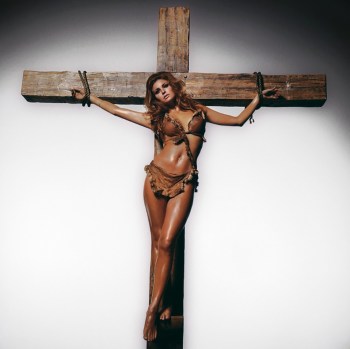
If you're fine with this picture but crawl on your belly when Muslim savages are offended you're a gutless hypocrite.

If you’re fine with this picture but crawl on your belly when Muslim savages are offended you’re a gutless hypocrite.

It’s always fun pondering how different today’s Easter celebrations might be if any of the fascinating    apocryphal gospels (meaning the rejected and obscure gospels outside of the four accepted by mainstream Christianity as “authentic”) had been deemed canonical. 

This continues Balladeer’s Blog’s annual examination of the Apocryphal Gospels that provide the best opportunities for comparative mythology. These particular three depict:

a) a Jesus who transports himself and his Apostles from the Garden of Gethsemane directly to God the Father’s throne-room in Heaven,

b) Hell as a living entity unto itself that converses with Satan,

and c) a Jesus who has mastered the esoteric traditions of many other faiths before facing his ultimate destiny on the Cross     
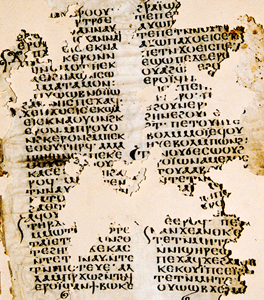
If you don't believe me about what it says read it for yourself.

If you don’t believe me about what it says read it for yourself.

THE GOSPEL OF THE SAVIOR – The narrative of this gospel centers around dialogues between Jesus and his apostles in the last few days before his arrest and crucifixion. Some of the material is similar to the Gospels of John and Matthew, but  some is Gnostic, with references to discarding the useless garment of the body so the soul can return to the empyrean realm. 

The most striking departure in this gospel comes in the Garden of Gethsemane segment, when Jesus, as God the Son, traditionally prays to God the Father to spare him the ordeals that lay ahead. In The Gospel of the Savior Jesus transports himself and his apostles to the throneroom of God the Father  where he makes his appeal in person. The apostles, who stay awake for once in this version, look on as Jesus and God the Father converse in this scene, which serves as this gospel’s substitute for the traditional transfiguration episode of other gospels.  Continue reading

6 Comments

Filed under Mythology