
FOR THE FIRST PART CLICK HERE.
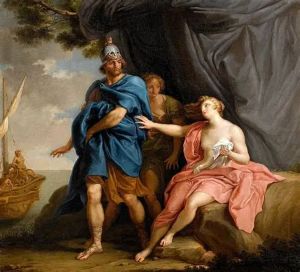 TWO – Aeneas and his companions, the survivors of the Fall of Troy, are still lingering in Carthage. Queen Dido, not knowing that the Roman State which Aeneas will spawn will also be the future destroyer of Carthage, remains deeply in love with Aeneas.
He returns her love, and having Aeneas remain with Dido and never found Rome fits the schemes of the goddess Juno (Naturally, Roman names are used for the gods and goddesses throughout this epic poem by Virgil). During a Royal Hunt in which Dido and Aeneas are accompanied by their courtiers, Juno causes a storm that drives the entire hunting party to seek shelter in an extensive system of caves.
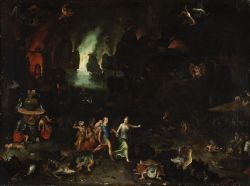 Playing into (or maybe establishing) the enduring cliche about people in a burgeoning romance being driven closer by needing relief from a downpour, Dido and Aeneas start to feel even friskier. Juno manipulates things further by having nature and animal life in the cave behave in ways that parallel a wedding ceremony.
Dido is convinced that she and our hero really are married in the eyes of the gods now, so she and Aeneas not only consummate their love but openly live as man and wife during the days that the supernatural storm confines them and their respective retinues to the caves. They continue this arrangement even after returning to Queen Dido’s palace. Continue reading
 Recent movie news about the latest screen adaptation of The Odyssey happened to make me reflect on the lack of a big screen version of the poet Virgil’s epic The Aeneid. For newbies to the tale, I’m posting this very brief synopsis of the story – the first half a mythic voyage like Jason and the Argonauts and The Odyssey and the second half a tale of warfare as Aeneas leads his fellow survivors of fallen Troy in their mythic conquest of what would become Rome.
  THE FOURTEEN-YEAR POKER GAME – This legendary poker game in all likelihood never really happened but has come to embody the early 20th Century wildness of Thurmond, WV. During America’s coal boom Thurmond attracted the wealthy including mine and railroad tycoons. It became such a hub of gambling, drinking, prostitution and partying that it’s been called the Las Vegas of its era.
  THE FEAST OF BRICRIU (Fled Bricrenn) – The Book of the Dun Cow version of this tale is dated to around the 700s A.D. and is considered the forerunner of the story of Sir Gawain and the Green Knight in British legends.
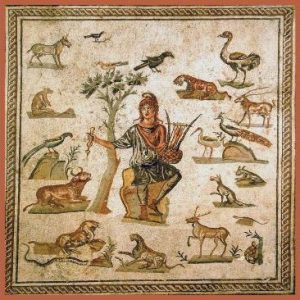 When we left off last time, Medea’s Aunt Circe had informed her that in order to stop the vendetta the Furies were waging against her, Jason, Orpheus and the rest of the Argonauts Medea must be purified from the taint of betraying her father and killing her brother through rites performed by Orpheus and the Meliae – the ash-tree nymphs who nursed the infant Zagreus (in this Orphic version).
 Having obtained the Golden Fleece, Jason, Orpheus and the rest of the Argonauts fled Colchis immediately on board the Argo. King Aeetes’ daughter Medea fled with them because she fell in love with Jason and defied her father to enable the theft of the Golden Fleece.
 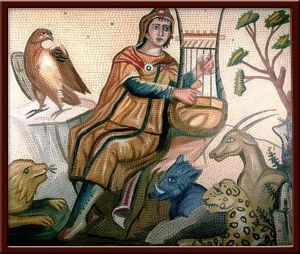 King Aeetes had to break off pursuit so he and his crew could fish up the various fragments of his son’s corpse for proper funeral rites.
 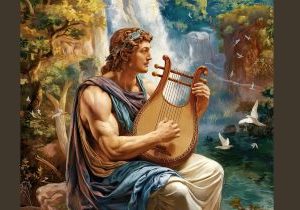 As the Argo pulled into Colchis, King Aeetes and his family – including his daughter Medea – observed their arrival. The Royal Family was on hand because of a dream that the goddess Hera had sent to Aeetes regarding foreign forces that would take Medea across the seas.
  THE BAKARIDJAN KONE EPIC – Djeli, the poet-historians of the Bambara people for over 300 years, would often recite, chant and sing this epic myth while playing their stringed instruments called ngoni.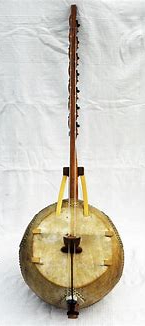
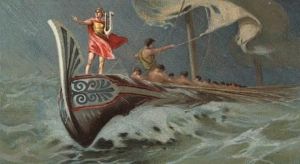 With the Titaness Rhea placated by the funerary rites, libations and games that the Argonauts dedicated to her slain son Kyzikos, our heroes resumed their Quest for the Golden Fleece.
 Balladeer's Blog