
Balladeer’s Blog concludes examining this Orphic variation of the Quest for the Golden Fleece. PART ONE HERE. PART TWO HERE. PART THREE HERE. PART FOUR HERE. PART FIVE HERE.
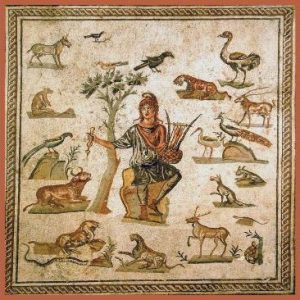 When we left off last time, Medea’s Aunt Circe had informed her that in order to stop the vendetta the Furies were waging against her, Jason, Orpheus and the rest of the Argonauts Medea must be purified from the taint of betraying her father and killing her brother through rites performed by Orpheus and the Meliae – the ash-tree nymphs who nursed the infant Zagreus (in this Orphic version).
The involvement of the Meliae is necessary to assuage the Furies because both the Meliae and the Furies were peers, having been born from the blood of Uranus.
The ship the Argo sailed past Sardinia and Sicily successfully, but then Charybdis caused the Argonauts to become trapped in its powerful whirlpool in the Strait of Messina. The only thing that saved our heroes was the fact that Thetis, a Nereid nymph, was in love with the future King Peleus of the Argonauts, so she freed the Argo from the whirlpool and the ship went on its way.
Later, Peleus and Thetis would become the parents of Achilles. Continue reading
 Having obtained the Golden Fleece, Jason, Orpheus and the rest of the Argonauts fled Colchis immediately on board the Argo. King Aeetes’ daughter Medea fled with them because she fell in love with Jason and defied her father to enable the theft of the Golden Fleece.
 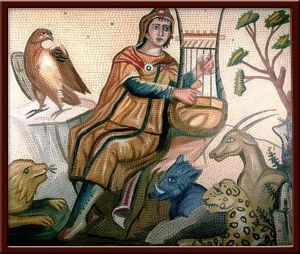 King Aeetes had to break off pursuit so he and his crew could fish up the various fragments of his son’s corpse for proper funeral rites.
  As the Argo pulled into Colchis, King Aeetes and his family – including his daughter Medea – observed their arrival. The Royal Family was on hand because of a dream that the goddess Hera had sent to Aeetes regarding foreign forces that would take Medea across the seas.
 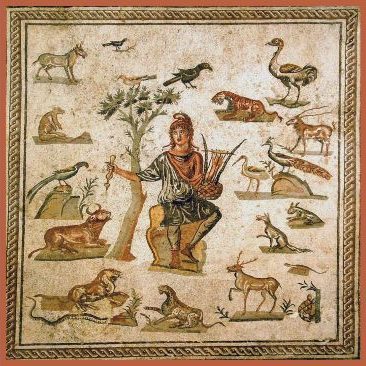 It’s been years since I’ve written about the Orphic variations of mainstream Greco-Roman mythology. For anyone who is not familiar with the Orphic Hymns, Zagreus, etc. these fascinating offshoots of the myths we all grew up with feature a variety of differences.This version of the tale of Jason and the Argonauts won’t always match the more popular rendition.
  THE ORPHIC ARGONAUTICA – To avoid being too boring I will omit all the arguments about the exact time period in which this variation on the epic was first written. At any rate, as the “Orphic” part of these writings would indicate, this look at the Quest for the Golden Fleece is told from the point of view of Orpheus the musician, poet and keeper of the Mysteries.
 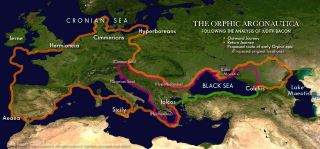 Our famous lyre-player Orpheus is approached in his cave at Thrace by the hero Jason. The hero tells Orpheus how he has gathered a crew that will take to sea in the Argo, the first vessel built specifically for ocean voyages. NOTE: Yes, the Orphic Argonautica depicts the Argo as the first ship ever built for a long-range journey. Various allegorical meanings are read into this, but I’ll spare you the details.

