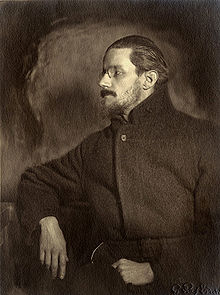
 Yes, it’s the 16th of June, better known to James Joyce geeks like me as Bloom’s Day. The day is named in honor of Leopold Bloom, the Jewish advertising sales rep and Freemason who is one of the major characters in Joyce’s novel Ulysses. The novel also brings along Stephen Dedalus, the protagonist of his earlier novel Portrait of the Artist as a Young Man.
For those unfamiliar with this work, Ulysses is Joyce’s stream-of-consciousness novel in which he metaphorically features the events from the Odyssey in a single day – June 16th, 1904, in Dublin. (The day he met Nora Barnacle, the woman he would eventually marry after living together for decades) Bloom represents Ulysses/Odysseus, Stephen represents Telemachus and Leopold’s wife, Molly Bloom, represents Penelope.
The novel is jam-packed with allusions to all manner of mythology (including sly references to the ancient Semitic myth which was the forerunner of the Odyssey, that’s why the character representing Ulysses is Jewish), Irish history and politics as well as a great deal of mystical and literary philosophy. Anyone into the Rosicrucians and their teachings should love spotting all the hidden meanings. Continue reading
 A reader asked me if there is a Malagasy (Madagascar) solar deity. Since others may wonder the same thing I’m posting my reply here in an FAQ spirit.
 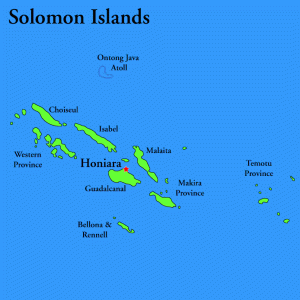 Balladeer’s Blog’s look at the gods and myths of Bellona and Rennell Islands has proven very popular. (CLICK
 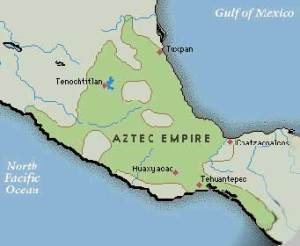 TEZCATLIPOCA – The god of sorcery and human sacrifice as well as the patron deity of thieves and other evildoers. Tezcatlipoca was originally also a war god but his martial attributes were later taken over by Huitzilopochtli. Many myths about Tezcatlipoca involve his conflicts with the wind and culture god Quetzelcoatl, conflicts that even caused the destruction of two of the previous worlds.
 ILAGANIQ – The Inuit hero Ilaganiq was born in the village of Imitchaq, which was famous for being right near the edge of a cliff overlooking the Bering Sea. Ever since he was very young Ilaganiq and his brothers were subjected to extensive physical conditioning by their father.
  NGUATUPU’A AND TEPOUTU’UINGANGI – The parents of many of the major gods and goddesses in Bel-Ren myths, like Izanagi and Izanami in Shinto beliefs. Nguatupu’a and Tepoutu’uingangi were revered AND feared by ALL of the clans of the two islands. They were represented by two large black stones in the region of Bellona Island called Ngabenga.
 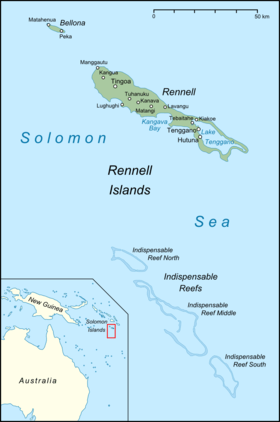 Balladeer’s Blog’s previous look at the gods of Bellona and Rennell Islands has proven to be as popular as my examination of the gods of their fellow Polynesian island groups like Hawaii and Samoa. For the main list CLICK