
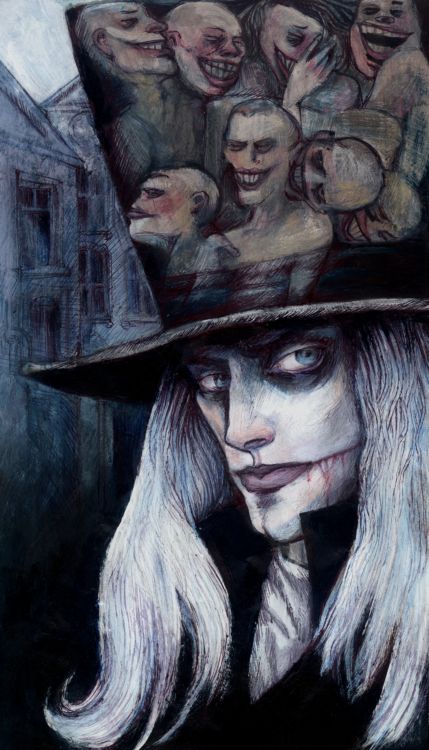
“Maldoror and His Smile” by Lord Orlando
Balladeer’s Blog has done a comprehensive examination of The Songs of Maldoror, often referred to as just Maldoror. The original 1868 French language work by the self-designated Count de Lautreamont (real name Isidore Ducasse) was in verse form, which is great for poetry geeks like me but if you prefer prose there are plenty of prose translations available.
This work of surreal horror was so far ahead of its time that the author himself, in one of the few existing copies of his correspondence, expressed fears that he might be jailed or thrown into an insane asylum and requested that the publisher literally “stop the presses.” Just 88 copies of the book were completed in that initial run and for a few decades The Songs of Maldoror languished in obscurity.
By the 1890s those few copies of Maldoror had been circulating among the more adventurous literati of the time period and the work began to be hailed as a forgotten masterpiece by Maeterlink, Bloy, Huysmans and de Gourmont. This new acclaim ultimately resulted in a new run of copies – this time in the thousands instead of dozens like the first run. This also accounts for why some reviewers mistakenly refer to The Songs of Maldoror as an 1890s work, despite its original publication date of 1868. Continue reading
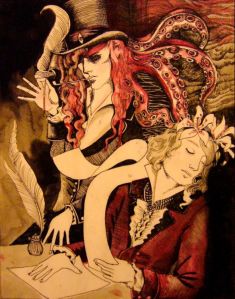
 Fifth Canto, Stanza 1: BETWEEN YOUR LITERATURE AND MINE – Maldoror goes meta, addressing the reader directly for daring to condemn him while still continuing to read about his nightmarish activities. He recommends a recipe for preparing the flesh of one’s mother after killing her, and otherwise seems to presage many modern-day serial killers. CLICK
 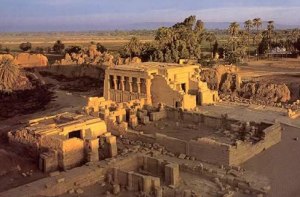 Fourth Canto, Stanza 1: PRELUDE TO A PRIVATE ARMAGEDDON – At Dendera in Egypt Maldoror recalls his past visits to the city and foresees a future day when he will battle all of the Earth’s armies in that same location. CLICK
 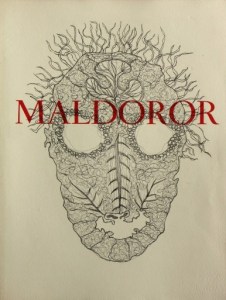 Third Canto, Stanza 1: THE MYSTERIOUS RIDERS – The enigmatic monster Maldoror and his lover Mario (another supernatural being) terrorize humanity, mate in space and encounter unspeakable creatures beneath the sea. CLICK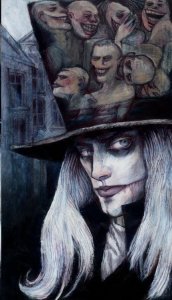
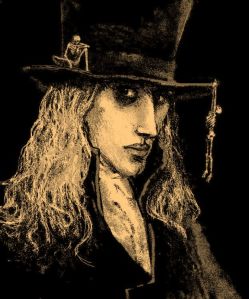 I am always glad to interact with readers of Balladeer’s Blog! Many of you have been asking for a guide to my examination of the surreal horrors in The Songs of Maldoror. Readers asked for it to be the same format I used for the Navajo epic myth about the war god Nayanazgeni battling the dark gods called the Anaye.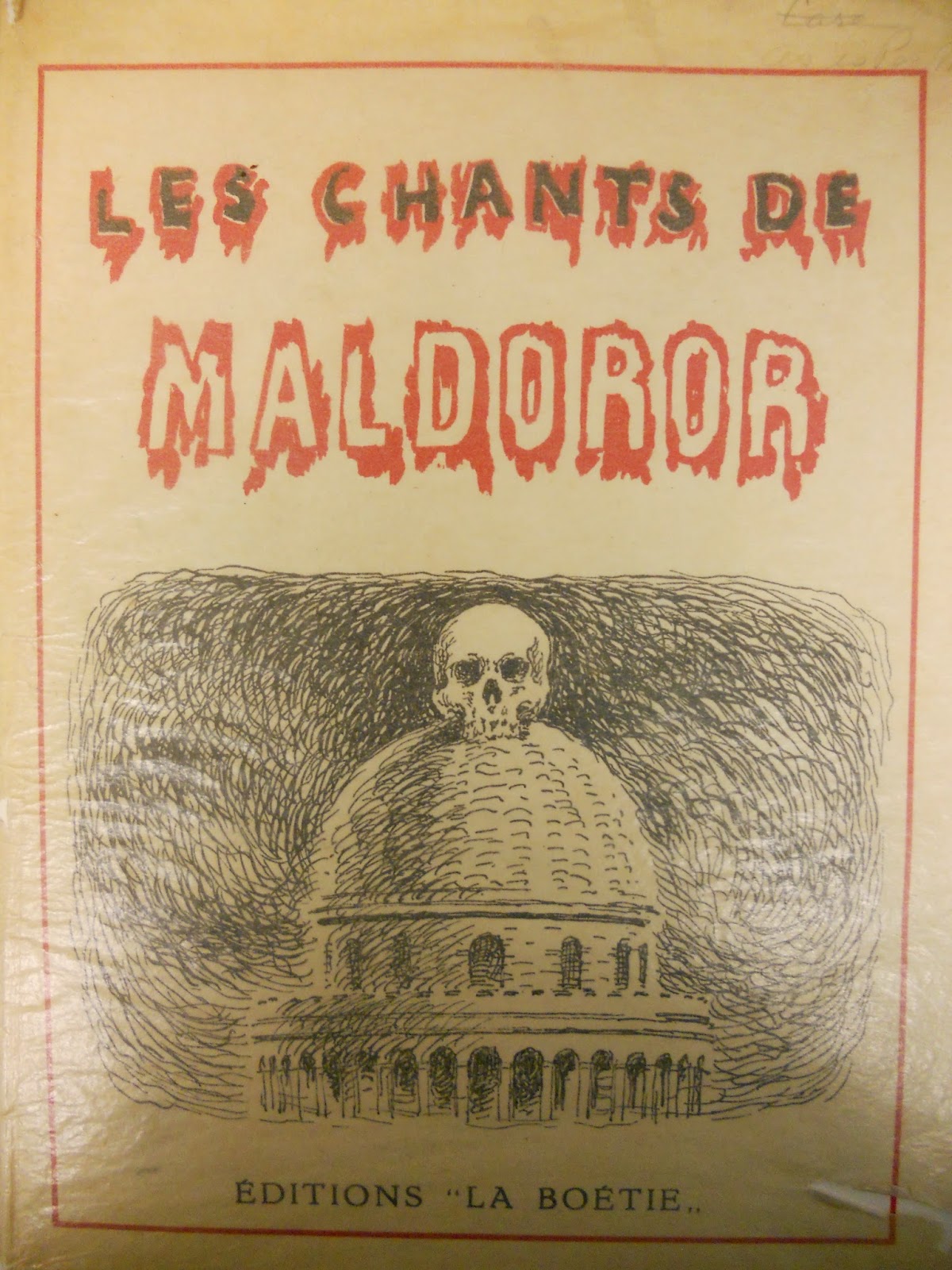

 Balladeer's Blog