
Halloween month continues here at Balladeer’s Blog! And elsewhere, too, I guess.
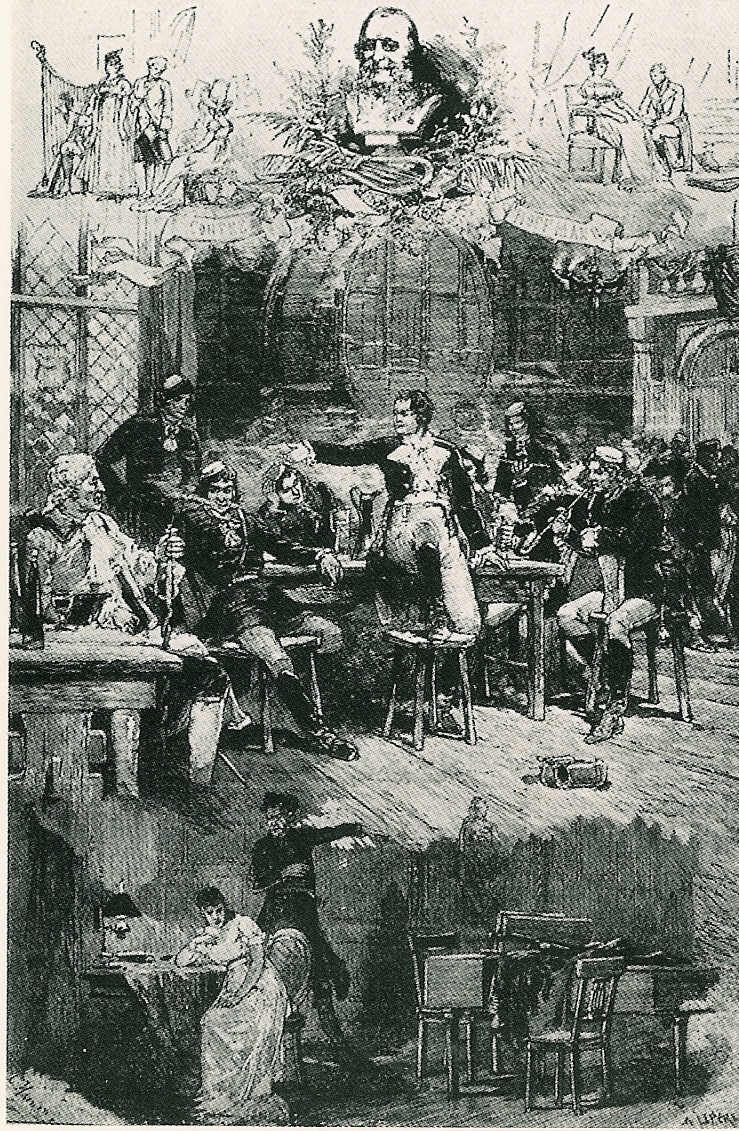
Tales of Hoffmann
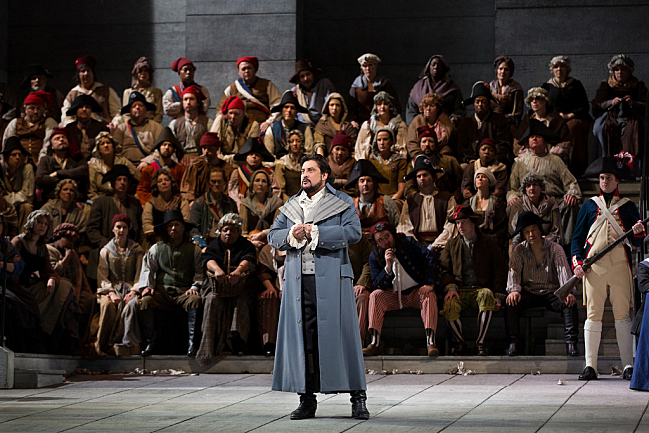
TALES OF HOFFMANN (1881) – Yes, as if I wasn’t boring enough already, I’m also into opera! Now, I know traditionally “the” Halloween Opera has always been Don Giovanni, but I’ve never bought into that notion since there’s really only one scene in the whole opera that qualifies as spooky and supernatural.
At this time of year I prefer Offenbach’s Tales of Hoffmann. Not only is it full of appropriately eerie and menacing elements, but it’s also the perfect opera for you to share with someone who’s seeing their very first opera.
One of the reasons for that is that it’s in short segments, surrounded by a wraparound opening and finale. Offenbach adapts short stories written by E.T.A. Hoffmann, who in real life was a pre-Edgar Alan Poe author of eerie short stories in his native Austria during the 1800s. At any rate since this opera’s in short segments novices to the artform won’t have time to get bored.
Another reason is that, though the climax of these tales no doubt seemed shocking to the people of Hoffmann’s (or for that matter, Offenbach’s) time period, modern audiences are so used to anthology series’ like The Twilight Zone and Tales from the Crypt, etc. that today’s viewers will spot the “twist” endings coming from a mile away. This combats another common complaint of opera novices: that they have trouble following the story. Continue reading
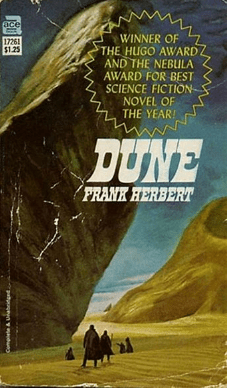 DUNE: THE OPERA – Previously I wrote about how Philip Wylie’s science fiction novel
 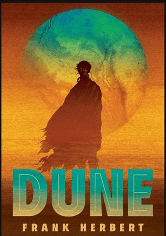 STORY: My fellow Dune geeks may get annoyed with this change, but remember, adaptations for staged performances have to be made very tight. I would start out at the Arrakeen Great Hall as the family and court members of House Atreides have just arrived on Arrakis/ Dune, the desert planet. All the scenes that the book covered while the Atreides family were preparing to depart their home on Caladan would instead play out shortly after their arrival on their new planetary fiefdom.
  If it’s the Friday after Thanksgiving, then regular readers of Balladeer’s Blog know it’s the day when I kick off my annual Christmas Carol-A-Thon in which I review several versions of A Christmas Carol. I look at movies, television shows, radio shows and books which adapt the Dickens classic. Every year I present new reviews with a few old classics mixed in since newer readers will have missed them.
 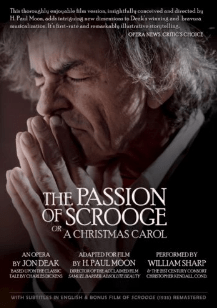 THE PASSION OF SCROOGE (2018) – This 62-minute offering which is out on video is one of the opera versions of A Christmas Carol, NOT the x-rated version which is titled The Passions of Carol. I want to avoid any confusion, right off the bat.
  Frontierado is celebrated the first Friday of every August, so this year it will be marked on August 4th. This holiday celebrates the myth of the old west, not the grinding reality. Here’s a seasonal post regarding my look at an opera version of the original Django spaghetti western from 1966, which strips the story down to its essentials, with no gold subplot.
 DJANGO: AN OPERA – Here at Balladeer’s Blog I love sharing my enthusiasms. My blog posts where I provide contemporary slants to Ancient Greek Comedies to make them more accessible have been big hits over the years, so I’m trying it with operas. A little while back I wrote about how Philip Wylie’s science fiction novel Gladiator could be done as an opera. This time I’m addressing the 1966 original version of the Spaghetti Western titled Django.
  LANGUAGE: Spanish. I’ve resigned myself to the fact that most of my fellow English-speakers find English-language operas to be silly. The prosaic nature of the forced rhymes in a language we are well-versed in does seem to rob opera of its mystique and its grandeur.
  Scene One: The opera would open with a stage version of one of the most iconic visuals from the 1966 film. Our title character, DJANGO, clad in his long blue jacket with his well-worn Union Army uniform underneath it, slowly, wearily drags a coffin behind him as he walks along singing his mournful song. He pulls the coffin via a rope slung across one shoulder.
 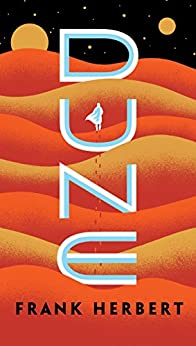 Here at Balladeer’s Blog I love sharing my enthusiasms. My blog posts where I provide contemporary slants to Ancient Greek Comedies to make them more accessible have been big hits over the years, so I’ve been trying it with operas, too. Previously I wrote about how Philip Wylie’s science fiction novel Gladiator could be done as an opera. Then I looked at how an opera version of the 1966 Spaghetti Western Django could be done and then an opera based on the novel Venus in Furs.
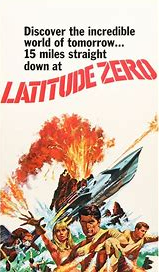 LATITUDE ZERO (1969) – My review of the long unavailable Japanese monster/ sci fi movie
 Balladeer's Blog