FOR PART ONE OF THIS LOOK AT THE KREE-SKRULL WAR (1971-1972) CLICK HERE
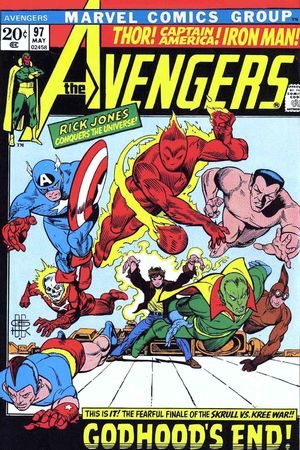 THE AVENGERS Volume One, Number 97 (May 1972)
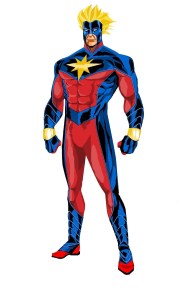
AVENGERS ROSTER: THOR (Donald Blake, MD), IRON MAN (Tony Stark), CAPTAIN AMERICA (Steve Rogers), THE SCARLET WITCH (Wanda), GOLIATH (Clint Barton), QUICKSILVER (Pietro), THE VISION (Not Applicable), CAPTAIN MARVEL (Mar-Vell, Kree Captain)
NOTE: CAPTAIN MARVEL IS THE HERO THAT NICK FURY SUMMONED TO FIGHT THANOS IN THE POST-CREDITS SCENE TO AVENGERS: INFINITY WAR.
GODHOOD’S END
 Synopsis: We pick up right where we left off: Rick Jones has just been transported back into the Negative Zone, the buffer dimension between the Matter Universe and the Anti-Matter Universe. He is being attacked by Annihilus, the Lord of the Negative Zone, who wants revenge on Rick for the way the Avengers prevented him from invading Earth back in Part One.
As Annihilus flies toward Rick as he floats around in the Negative Zone, Rick finds time slowing down for him. His mind begins to expand and – though he does not yet understand why – he begins to approach omniscience. His mind is filled with images of the perils faced at that very moment by the other Avengers and by the entire Earth:
… On the Skrull homeworld (name unpronounceable by a human tongue), Captain Marvel, the Scarlet Witch and Quicksilver are fighting against an entire army in the palace of Emperor Dorrek IV …
… On the flagship of a Skrull space fleet just outside our solar system Thor, Iron Man, Captain America and the Vision are fighting frantically to prevent that fleet from reaching Earth …
… On Hala, home planet of the Kree Empire, Ronan the Accuser watches his own fleet of spaceships depart for the Earth, intent on preventing the Skrulls from seizing the planet, even if that planet gets obliterated in the cataclysmic battle of starfleets …
… On a small Skrull spaceship hurtling toward Earth, Goliath, no longer possessed of his superpowers, stands unarmed against a squad of Skrull soldiers on a kamikaze mission to wipe out the Earth to prevent it from falling back into the hands of the Kree Empire … Continue reading
 THE AVENGERS Volume One, Number 96 (February 1972)
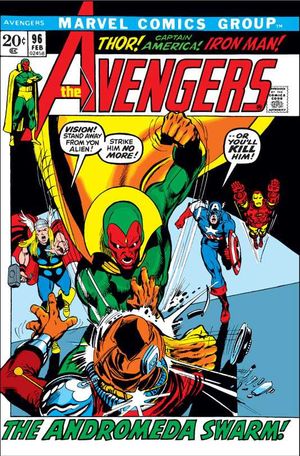
 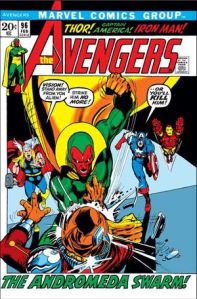 THE ANDROMEDA SWARM
 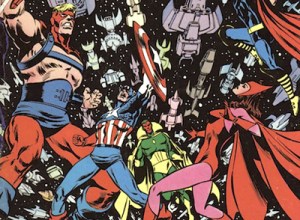 Anyway, Thor, Iron Man, Captain America, Goliath and the Vision board the ship, named Bogie, in honor of Humphrey Bogart. (?) With Thor’s hammer serving as the nearly infinite power source for the spacecraft – just like it could have for a craft built in Attilan – the Avengers fly off.
 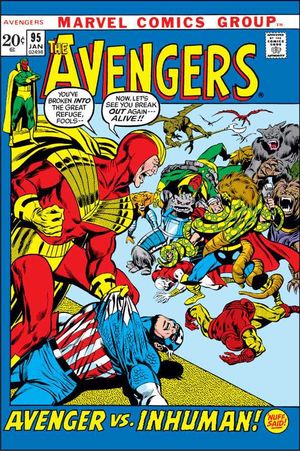 THE AVENGERS Volume One, Number 95 (January 1972)
  SOLO (1980) – Written by Jack Higgins. Solo is not exactly one of my favorite espionage novels but it is definitely my favorite by Jack Higgins. It’s the story of efforts to catch an international assassin code-named the Cretan Lover. Luckily that ludicrous codename is often shortened to just “The Cretan” throughout the novel. I’ll use the same review format that I used for my look at The Top Seven Robert Ludlum Novels.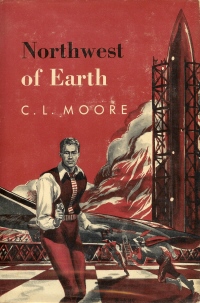
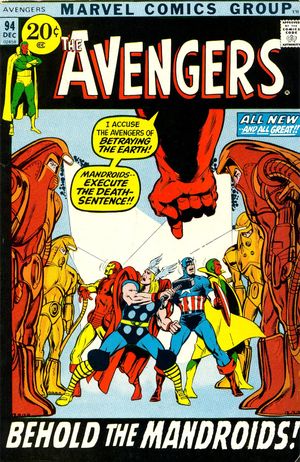 THE AVENGERS Volume One, Number 94 (December 1971)
 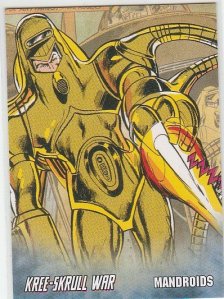 Synopsis: Our story this time picks up just over an hour after the Avengers defeated the three Skrulls who were simulating the powers of the Fantastic Four. During that same battle Super-Skrull, the Skrull agent with ALL of the Fantastic Four’s powers in one defeated his Kree archenemy, the Avenger called Captain Marvel, and fled in a spaceship with Mar-Vell, Quicksilver and the Scarlet Witch as captives.
  THE AVENGERS Volume One, Number 93 (November 1971)
 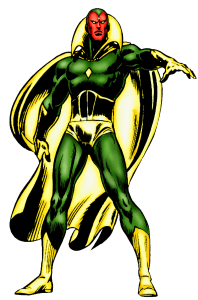 Suddenly the Vision bursts into the room. He has clearly been in a fight and is badly wounded. Before he can tell Thor, Iron Man and Captain America what happened he collapses into unconsciousness. The Big Three get the Vision to the Avengers’ infirmary and are alarmed to realize that he no longer has a pulse.
 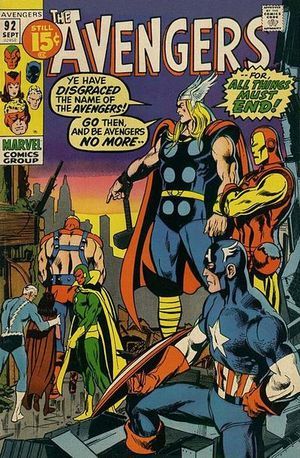 THE AVENGERS Volume One, Number 92 (September 1971)
  Synopsis: We pick up several days after the Avengers and their old civilian ally, rock singer Rick Jones, saved the world from Ronan the Accuser. Ronan was the new ruler of the alien Kree Empire after a coup d’état. When his plan was stymied by the Avengers, Ronan was forced to retreat back to Hala, the homeworld of the Kree Empire, because the Kree’s ancient foes the Skrulls had launched attacks on every Kree-held planet in the galaxy.
  THE WRECK OF A WORLD (1889) – Written by W. Grove. (No other name available) This novel is the sequel to Grove’s A Mexican Mystery, an ahead-of-its-time work about a train engine devised to have artificial intelligence. The machine – called only The Engine in that story – rebelled and took to preying on human beings in horrific fashion. For Balladeer’s Blog’s review of that novel click
 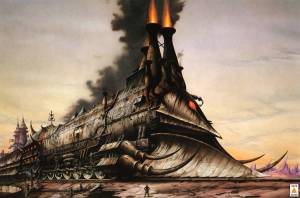 Our story begins in what was to Grove “the far future” of 1949. After a fairly superficial depiction of the world’s political and scientific situation in this imaginary future the meat of the tale begins. All in all the author did not present 1940s technology as being much more advanced than what was available in the 1880s. Grove might have done better to set his tale in 1899 or just into the 1900s to detract from his lack of vision on this particular element.
  THE AVENGERS
 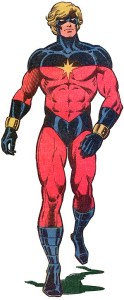 Synopsis: We pick up where we left off, at Cape Canaveral, which in Captain Marvel’s own comic book series by Marvel Comics was depicted as an Area 51 type of base. Sentry 459, one of the Kree Empire’s gigantic, kaiju-sized robots scattered throughout the universe, was being studied by Earth scientists at the Cape.