
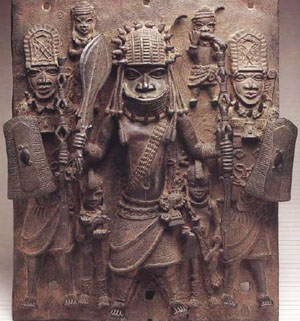
Aiwel Longar
Once again Balladeer’s Blog examines a neglected epic myth from around the world. Previously I have dealt with epics from the Navajo, Vietnamese, Iroquois, Aztec, Hawaiian, Chinese and other belief systems.
The mythic tale of Aiwel Longar comes from the Dinka pantheon. Nhialic is the supreme deity to the Dinka and the first man and woman he created were Garang and Abuk. The Dinka people live in the Upper Nile in Sudan, as they have for centuries.
AIWEL LONGAR
I often cover the way in which cultures which come into contact borrow mythic material from each other to embellish their own respective belief systems. The story of Aiwel Longar clearly influenced (and vice versa) Egyptian, Jewish, Christian and Muslim myths. It also bears striking similarities to the Gnostic Hymn of the Pearl.
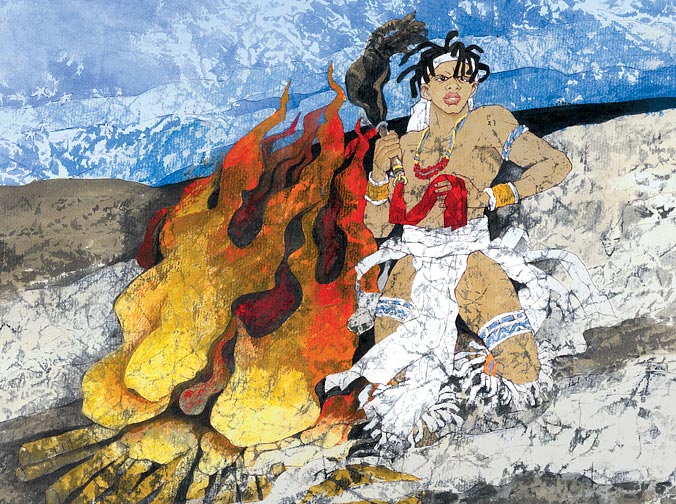
PART ONE – Born as simply Aiwel, this figure was a gift from the god of the Nile River to Aiwel’s widowed and childless mother. The infant already had a full set of teeth when his mother picked him up out of the Nile River, where the river god had set him adrift.
Like many mythic figures Aiwel could Continue reading
 In the versions where they are two separate entities Mwindo is a villainous figure while Kabutwa-kenda is the main hero of the epic. Regular readers of Balladeer’s Blog will be reminded of the Navajo twin gods Nayanazgeni and Thobadzistsini. Nayanazgeni was usually the hero of the epic about the defeat of the evil gods called the Anaye but in the Apache version of the myth his brother Thobadzistsini is the hero and Nayanazgeni is reduced to being a comic relief coward.
 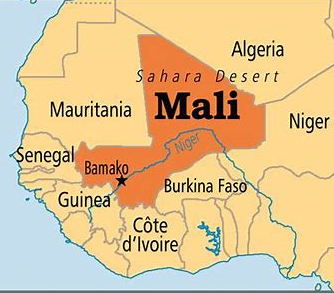 THE BAKARIDJAN KONE EPIC – Djeli, the poet-historians of the Bambara people for over 300 years, would often recite, chant and sing this epic myth while playing their stringed instruments called ngoni.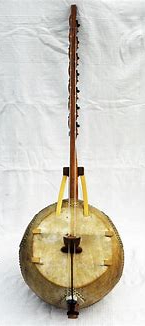
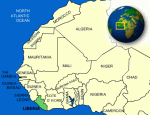 Balladeer’s Blog presents another neglected epic myth from around the world. In this case, Liberia’s Woi Epic of the Kpelle people.
 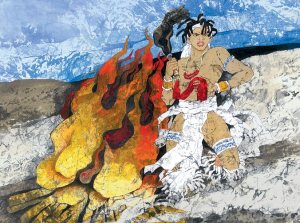 The lightning god Nkuba looked down from the sky and prepared to attack the semidivine hero Mwindo in order to avenge his (Nkuba’s) friend, the monster Kirimu. That seven- headed creature had been slain, cooked and served as a meal by Chief Mwindo for killing three of his devoted corps of Pygmies.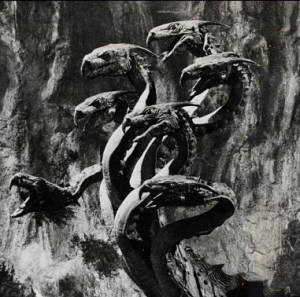
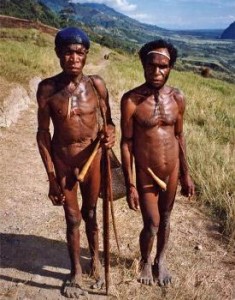
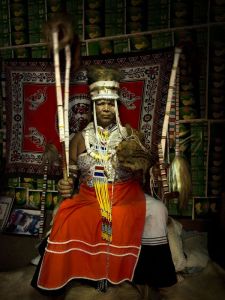 In the restored village of Tubondo, with all the dead brought back to life by Mwindo it was at last time to pass judgment on the captured Shemwindo. In some versions of the Mwindo Epic the semidivine hero sits upon a throne made of spears as if deciding the fate of prisoners of war. Other versions claim Mwindo’s friend Nkuba the lightning god sent down copper chairs for Mwindo and his Aunt Iyangura to sit on while judging the former Chief Shemwindo.
 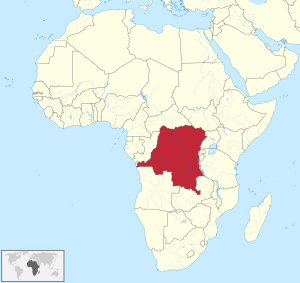 The semidivine hero Mwindo at last stood face to face with his evil father Shemwindo. After the villain had led his heroic son on a long chase through the various realms of the gods that honeycombed the subterranean region Mwindo finally had satisfaction.
 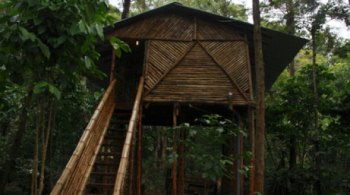 Still pursuing his evil father, Mwindo arrived at the subterranean realm of Sheburungu, home of the Nyanga creator deity Ongo. (Though Sheburungu was often used as an epithet for Ongo.) Ongo’s kingdom was inhabited by children who never aged. (Michael Jackson’s ideal world!)
 Balladeer's Blog