
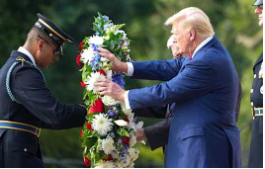
 The Democrats and their media outlets, which still drastically outnumber Republican outlets, have been increasing the number of hysterical anti-Trump lies lately. Anyone who still believes anti-Trump tall tales at this point is a Trump-hater who simply WANTS to believe the falsehoods.
At any rate, fellow blogger Stately McDaniel Manor did a brilliant breakdown on the lies that anti-Trump fascists told about his Arlington Cemetery visit. The Democrats’ media outlets tried to paint it in an ugly light, but the families of the slain soldiers DEFENDED TRUMP all the way.
Below is a link to Stately McDaniel Manor‘s blog post but first an excerpt setting up the story:
“On the third anniversary of their deaths, Donald Trump participated in a wreath-laying ceremony at Arlington National Cemetery for the 13 soldiers killed during the unnecessary and chaotic withdrawal from Afghanistan. It was a largely solemn occasion, attended by Trump and the families of those who died after Kamala Harris and Joe Biden decided on a course of action that produced the most humiliating and disastrous military debacle in memory. Harris, you’ll recall, gentle readers, repeatedly said she was “the last person in the room” when that course of action was decided, and she has no regrets. To find every article in this series, enter “Kamala Harris Against America” in to the SMM home page search bar.
“One would think that would be the story, but Harris’ handlers and the Democrat/Socialist/Communist (D/S/C) media saw an opportunity to dirty Trump. They claimed the photos taken at that ceremony were improper, a political stunt, taken only after a Trump Campaign member got into a physical confrontation with an Arlington official who tried to uphold the sanctity of Arlington, where no filming is supposedly allowed.
“That didn’t hold up long. Innumerable politicians and others have been photographed at Arlington, including Joe Biden, for such ceremonies, and those present confirmed no such confrontation took place.”
Exactly! And for the rest of Stately McDaniel Manor’s breakdown of the manufactured “controversy” click HERE.
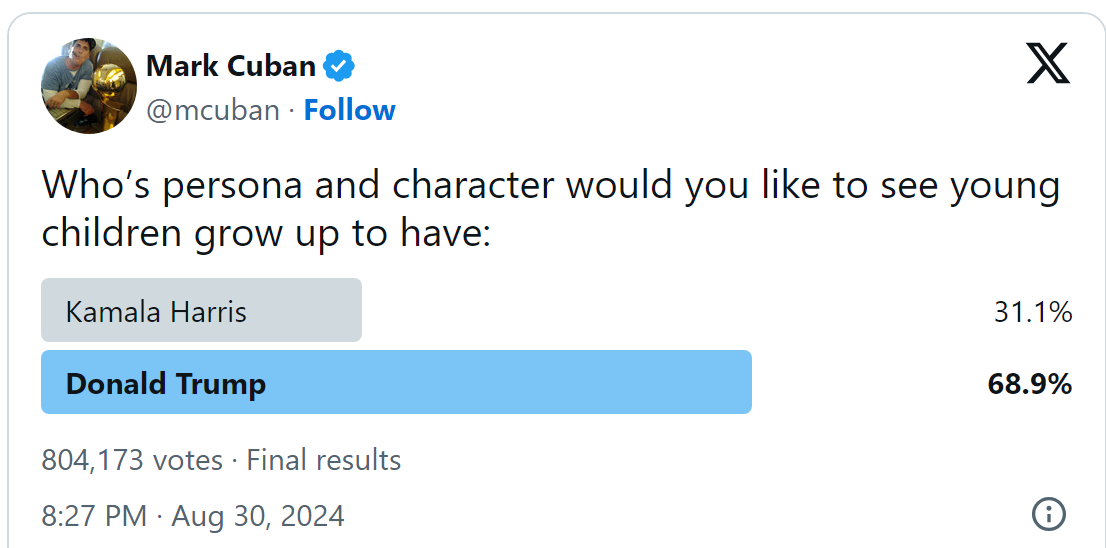 Time for another current events

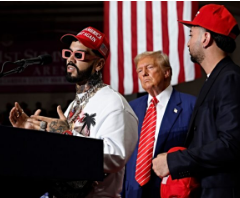
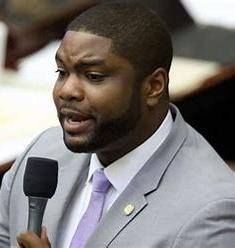



 Some current events from
 FOR PART ONE (2016) OF THIS RETROSPECTIVE FROM
 More current events from
 Yet another current events roundup from
 SAN DIEGO FLEET
  ORLANDO APOLLOS
