
 These are the legends about Charlemagne and his Paladins, not the actual history, so there will be dragons, monsters and magic.
FOR MY FIRST CHAPTER ON CHARLEMAGNE’S PALADINS CLICK HERE.
ROLAND BATTLES MANDRICARDO – In our previous installment Charlemagne’s Paladin named Roland saved Princess Isabella of Galicia from the Moroccan corsairs who were holding her for ransom.
Now, Roland and Isabella were riding northward to link up with Emperor Charlemagne’s main army as they fought the ongoing Saracen invasion. As always, the Paladin wielded his sword Durindana.
At length they approached a town where there was much consternation. Several soldiers were making their way through the streets but at this distance Roland could not make out if they were friend or foe.
Our hero had Isabella slip down from their horse and hide behind a tree while Roland met with the approaching soldiers to determine their intentions. He saw that they were conducting a prisoner, bound hand and foot.
Finally, Roland could make out the ensigns of the troops – they were men of the Count Anselm, head of the treacherous House Maganza. That House was ever ready to secretly ally themselves with every foe of Emperor Charlemagne. Continue reading
 These are the legends about Charlemagne and his Paladins, not the actual history, so there will be dragons, monsters and magic.
 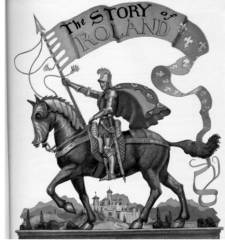 ROLAND BATTLES MOROCCAN CORSAIRS – The Paladins recently freed by Astolpho from the prison of the sorcerer Atlantes all hastened to rejoin Emperor Charlemagne’s army. The war against the Muslim invaders from colonized Spain and North Africa was still raging.
  These are the legends about Charlemagne and his Paladins, not the actual history, so there will be dragons, monsters and magic.
 These are the legends about Charlemagne and his Paladins, not the actual history, so there will be dragons, monsters and magic.
 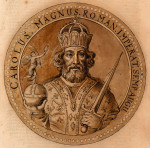 These are the legends about Charlemagne and his Paladins, not the actual history, so there will be dragons, monsters and magic.
 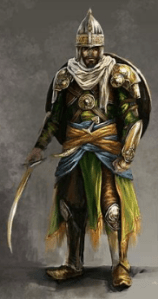 RUGGIERO MEETS PRINCESS ANGELICA – When we last saw Bradamante, the Paladin in White Armor, she was continuing her quest to find her beloved Ruggiero. He was a Muslim warrior who was allied with the Saracens who had invaded the realm of Emperor Charlemagne from colonized Spain.
  Covering the myths and deities of the various peoples of Madagascar is a pretty sizeable job to undertake. I decided to use the same approach I’m using with the Americas and take things on a tribe-by-tribe basis.
 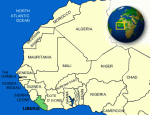 Balladeer’s Blog presents another neglected epic myth from around the world. In this case, Liberia’s Woi Epic of the Kpelle people.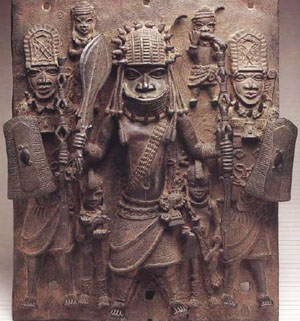
 The previous installments of Fool Killer lore have seen the neglected 1800s folk figure in a variety of roles:
  In honor of the Halloween season this post will look at the Fool Killer as a 1980s slasher.
 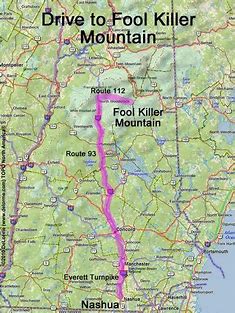 THE FOOL KILLER – As we all know, Anthony Perkins starred in the eerie 1965 movie The Fool Killer as an amnesiac Civil War veteran who came to believe he was really the legendary title figure. A 1980s slasher version of the Fool Killer could feature a deranged killer who has similarly come to regard himself as the “real” one.
