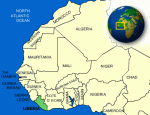
 Balladeer’s Blog presents another neglected epic myth from around the world. In this case, Liberia’s Woi Epic of the Kpelle people.
The Woi Epic is often studied for its use of music, dance, singing and audience participation to reflect the action in the story. Think of it as a combination opera, ballet, live drama and Rocky Horror Picture Show screening.
The order of the episodes in the epic is not set in stone and a performance may include only a few of the episodes, all of them or just one. The finish of each episode is marked by the performer(s) announcing “Dried millet, wese” to which the audience repeats simply “wese.”
ONE – Woi, a culture deity and master of ritual magic, and his wife Gelengol are the only living things that exist. After Woi impregnates his wife she eventually gives birth to human beings, chickens, goats, cows, sheep and, after all other life-forms, spiders. (Plenty of African myths feature a female deity giving birth to multiple living creatures and many feature the woman also giving birth to tools and weapons and utensils.)
TWO – Woi notes that the demonic figure Yele-Walo has stolen one of his bulls by sneaking up on it in the form of a rattan plant. Yele-Walo took the bull with him to his hideaway “behind the sky.” Woi prepares for battle and is aided by squirrel-monkeys, tsetse flies and horse-flies. Yele-Walo also steels himself for the upcoming fight. Continue reading →

 I.WHAT’S UP WITH YI? – Yi the Divine Archer from Chinese mythology deserves to be remembered in one breath with some of the other great heroes and monster slayers from belief systems around the world. Most people are only familiar with his feat of shooting down multiple suns that appeared in the sky one day, but this article will provide a light- hearted look at all of his fantastic adventures.
  These are the legends about Charlemagne and his Paladins, not the actual history, so there will be dragons, monsters and magic.
 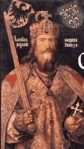 These are the legends about Charlemagne and his Paladins, not the actual history, so there will be dragons, monsters and magic.
 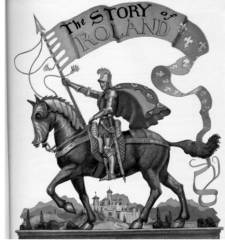 ROLAND BATTLES MOROCCAN CORSAIRS – The Paladins recently freed by Astolpho from the prison of the sorcerer Atlantes all hastened to rejoin Emperor Charlemagne’s army. The war against the Muslim invaders from colonized Spain and North Africa was still raging.
 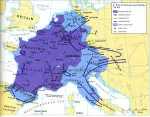 These are the legends about Charlemagne and his Paladins, not the actual history, so there will be dragons, monsters and magic.
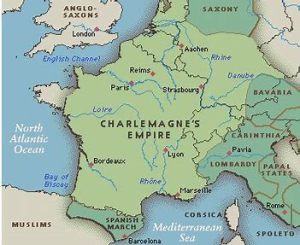 These are the legends about Charlemagne and his Paladins, not the actual history, so there will be dragons, monsters and magic.
  These are the legends about Charlemagne and his Paladins, not the actual history, so there will be dragons, monsters and magic.
 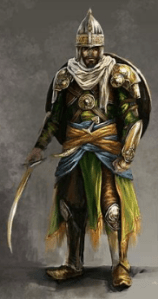 RUGGIERO MEETS PRINCESS ANGELICA – When we last saw Bradamante, the Paladin in White Armor, she was continuing her quest to find her beloved Ruggiero. He was a Muslim warrior who was allied with the Saracens who had invaded the realm of Emperor Charlemagne from colonized Spain.
  Covering the myths and deities of the various peoples of Madagascar is a pretty sizeable job to undertake. I decided to use the same approach I’m using with the Americas and take things on a tribe-by-tribe basis.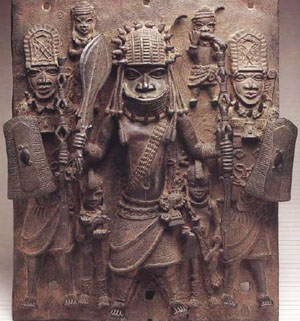
 Balladeer's Blog