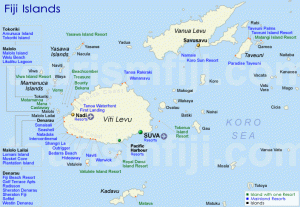
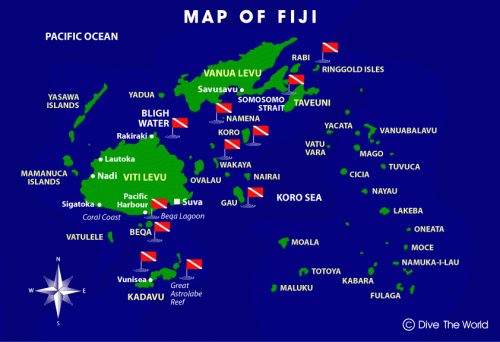
 In the past Balladeer’s Blog has examined the gods and myths of Polynesian people in Hawaii, Samoa, Bellona and Rennell. This time around I’m taking a look at the neglected gods of the Melanesian people of Fiji.
NOTE: I am spelling the names of the deities phonetically to make it easier for readers to know how to pronounce them. I’m doing this to avoid the awkwardness of having to remember the odd rules regarding how to pronounce certain consonants.
For instance “Q” is pronounced “ng-g” so with the name of the shark god, spelled Dakuwanqa in that system, I will spell it Ndakuwang-ga so readers don’t have to remember how Q is supposed to be pronounced or that “D” is pronounced “nd”. After all, the Fijians certainly were not using our alphabet prior to contact with Europeans, so I think it’s inefficient to expect readers to remember odd pronunciation rules for letters that the Fijians never used to begin with.
KONOSAU – The god of stillborn infants. Originally born dead to the first Bau woman taken to Rewa, this entity became the patron deity of such offspring. His main temple is called Nai Bili.
NAITONU – The god of nudity. I’m not joking. Naitonu hates the custom of wearing clothing and not only is he constantly naked but he expects nudity from everyone entering his territory – even if they are just passing through. Failure to comply will result in the offender being struck with leprosy.
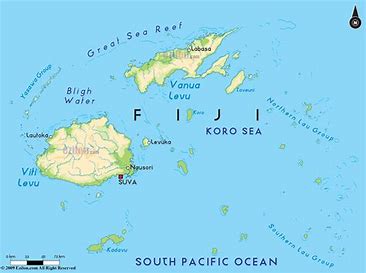 ALEWANISOSO – The patron goddess of travelers and hospitality. Regardless of their tribe, fellow Fijians who reach one of Alewanisoso’s temples can be assured of not being harmed during their stay – usually an overnight one.
Hostility or rudeness of any kind is taboo in her temples and everyone entering is expected to conduct themselves as gently and courteously as they would when wooing a mate.
ROKOMAUTU – A son of the supreme deity Ndengei by his sister. This deity was born from his mother’s elbow as another example of birthing oddities in world mythology. Rokomautu was so headstrong he tried to force even his own parents to worship him.
Rokomautu falls into the mythological category that Balladeer’s Blog’s readers will remember as a Divine Geographer. When Ndengei first created the world the land was featureless, so he sent his son Rokomautu to provide character. The god sculpted the Earth’s various geographic features.
The sandy beaches of Fiji were created by Rokomautu dragging his flowing robe over the terrain. When the god pulled up his robe while walking the land became rocky or filled with mangrove bushes. By some accounts anywhere that he spat a lake or river would form.
Once during a drought in which many were dying, Rokomautu was passing through and used his hair-pin, or milamila, to puncture a hole in a rock from which drinking water then flowed.
SOBO – The goddess of soft breezes on the Fijian island of Thikombia. Her husband Rasikilau, the patron deity of that island, killed their two sons once it became apparent that their strength might rival his some day if he allowed them to live. Continue reading →

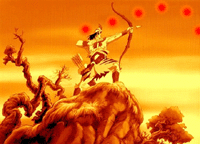 I.WHAT’S UP WITH YI? – Yi the Divine Archer from Chinese mythology deserves to be remembered in one breath with some of the other great heroes and monster slayers from belief systems around the world. Most people are only familiar with his feat of shooting down multiple suns that appeared in the sky one day, but this article will provide a light- hearted look at all of his fantastic adventures.
 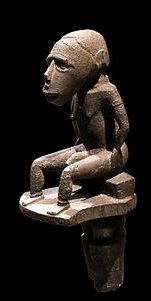 NDAKUWANG-GA – The chief shark god of Fiji. Ndakuwang-Ga established his preeminence by defeating in battle all the other shark deities which guarded particular islands. The only figure to ever beat Ndakuwang-Ga in combat was the octopus god of Kandavu Island. For centuries fishermen from there were considered immune to any and all shark attacks.
  RAVURAVU – One of the evil deities defeated and driven from Skyland by the demigod Tuilakemba.
  TUILAKEMBA – This figure was the son of Tuilangi, the god who ruled over the Skyland, and a mortal woman. When Tuilakemba was a little boy he was often ridiculed by the other children for not having a father on hand like they did. One day the young demigod had had enough and threatened to kill his mother unless she told him who his father was.
  Balladeer’s Blog’s recent look at The Gods of Fiji has been a hit! For another deity from Fiji here is Kambuya, whom I also went ahead and added to the main article. For more than 20 other gods from Fiji see my blog post
 Balladeer’s Blog’s recent look at The Gods of Fiji has been a hit! For another deity for the list here is Vakaleleyalo, whom I also went ahead and added to the main article. For more than 20 other gods from Fiji see my blog post
 A reader asked me if there is a Malagasy (Madagascar) solar deity. Since others may wonder the same thing I’m posting my reply here in an FAQ spirit.
  Balladeer's Blog