Tag Archives: mythology

THE TOP GODS IN AINU MYTHOLOGY

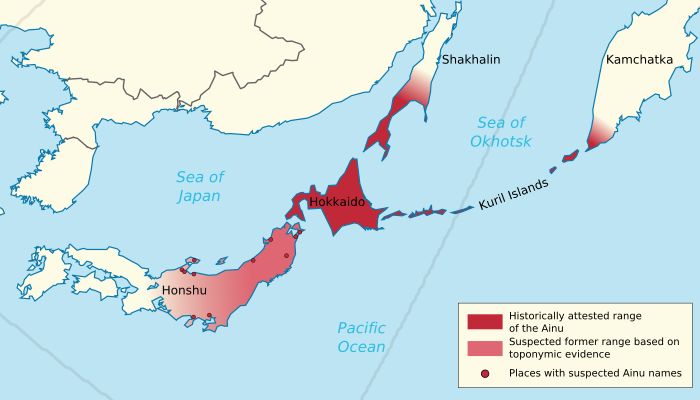
Ainu mapThe Ainu people of Japan suffered oppression at the hands of the Japanese which was similar to that suffered by various conquered peoples around the world at the hands of the Western World, Russia, China and the Muslim World.

The Ainu migrated south to the Japanese islands from the northern lands of the Inuit. Regular readers of Balladeer’s Blog will recognize the similarities between the Ainu and Inuit belief systems and methods of worship. In addition certain linguistic similarities will be noted between the Ainu and the Japanese. The Shinto “kami” becomes the Ainu “kamui”, to cite the most prominent example. 

As with the Inuit, exact names and aspects of the following deities can vary, with the most pronounced differences being in Saghalien. 

  • NOTE: I am still working out my entry on the Ainu bear god. If you know the Ainu then you know that that entry alone may double the size of this article. And as always, anyone curious about my source books can just ask.

RUKORO – The Ainu god of the male privy. No, I’m not kidding. The powerful stench from his domain serves the useful purpose of  fending off evil spirits. Because of his association with evacuation and expulsion of things unclean he is regarded as a powerful exorcist. There is no corresponding goddess of the female privy, owing to primitive taboos about menstruation.

CHUP – The sun god of the Ainu. His wife is Tombe, the moon goddess. Ainu homes orient their sacred window toward the east to greet the rising sun. Until recent decades it was customary to salute the sun upon exposure to its rays, similar to the practice of genuflecting to the center of an altar, but done without kneeling.

It was considered disrespectful to bodily cross the rays of sunlight striking the hearth through the sacred window. It was better to wait until the position of the sun changed. An inau, one of the idols or totems of the Ainu people, would be set up to honor the sun. That inau bears an incised outline of the orb of the sun and during rituals libations and praise are offered up to Chup.    Continue reading
52 Comments

Filed under Mythology

PEGANA DEITIES: SLID, THE SEA GOD

Slid

Slid

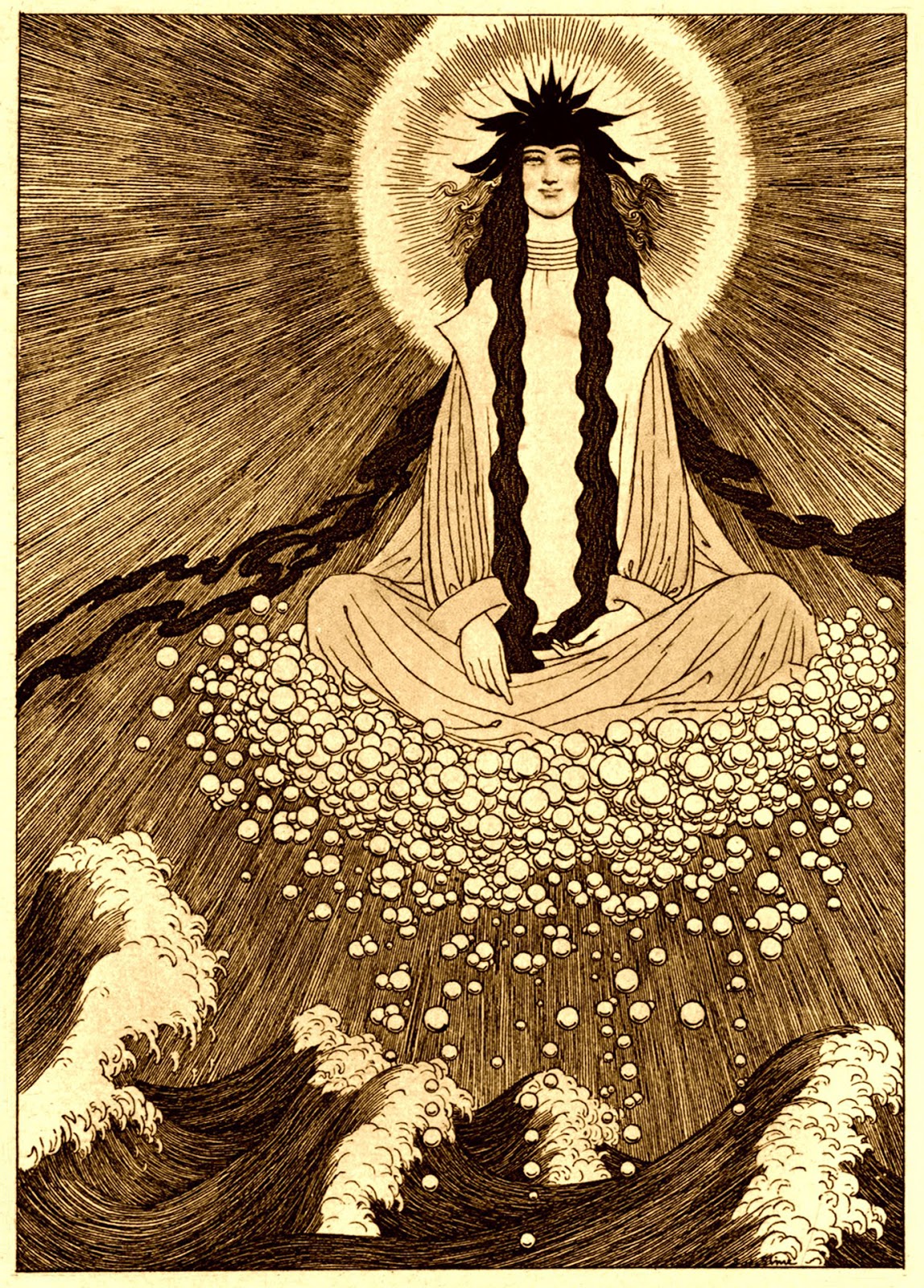
SLID – The god of the seas and all the rivers and streams. He also owns all the pearls and treasures lost at sea. When Slid first unleashed his waves upon the world there was nothing but land and the sea god had to fight a war with the other gods for every mile of territory his waters spread along. Slid’s aquatic army first conquered the winds and then began eating away at large rocks that stood between the sea god’s forces and more territory he desired.

The advance of Slid’s aquatic army was checked momentarily when the other gods of Pegana sent the white cliffs of the lowlands to stop him. Slid pretended to be halted before these high cliffs but in the meantime caused rivers and springs to form behind the lines of his opponents.  Continue reading

14 Comments

Filed under Mythology

THE TOP ELEVEN DEITIES IN VOODOO MYTHOLOGY

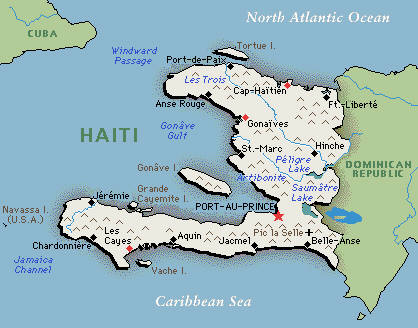
HaitiVoodoo mythology is a fascinating hybrid of Yoruban, Dahomey, Fon and Christian mythology intermixed with touches from Caribbean belief systems. Haiti is the central location of the Voodoo belief system but naturally it has spread throughout the world as have other faiths.

Let me point out that I will use “Voodoo” as the catch-all name, even though to purists Vodou is the Haitian version and Voodoo is the form of Vodou practiced first in New Orleans and then throughout America.  

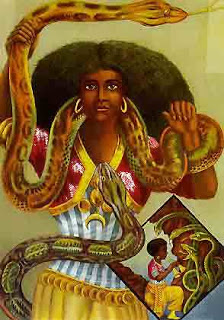
AyidaAYIDA – The goddess of the rainbow and the primary wife of the creator deity Damballah. The pair often manifest in the skies over Haiti as intertwined serpents. Ayida also serves as a fertility goddess. Her favorite color is white as reflected in her favorite offerings: white chickens, white eggs, rice, milk and cotton. Her daughter is Ayizan, the goddess of the marketplace and of initiation into the sacred truths, making her the head Mambo (Voodoo priestess).   Continue reading

171 Comments

Filed under Mythology

THE IROQUOIS GODDESS SHAGODIAQDANE

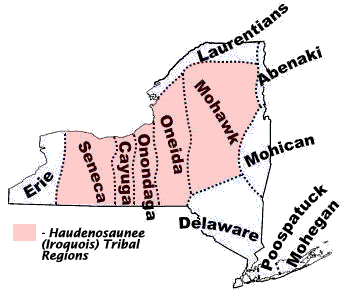
Iroquois confederationSHAGODIAQDANE – The Iroquois goddess of the summer. She was depicted as an old woman sitting cross-legged in the forest and she sang a song that only birds could hear and their own chirping and singing was considered to be their response to the goddess’ song. As summer started to turn into autumn the entourage of the evil winter god Tawiskaron began to return. Continue reading

2 Comments

Filed under Mythology

AIRESKOI: THE IROQUOIS WAR GOD

Iroquois Confederation

Iroquois Confederation

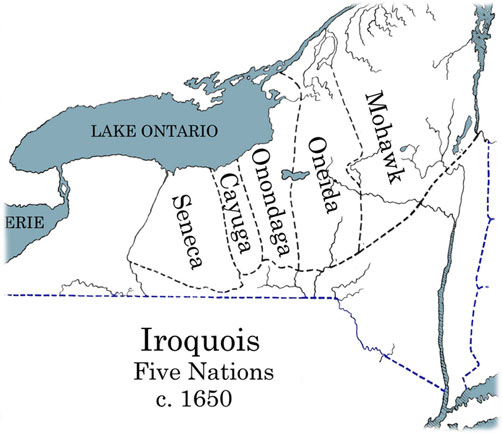
AIRESKOI – The Iroquois god of war, identified with the Aurora Borealis. While other Iroquois souls would go to the conventional afterlife warriors slain in battle got to reside with Aireskoi in the heavens, their souls glowing with the grandeur of their battlefied heroics, thus accounting for the brightness of the Aurora Borealis. Continue reading

8 Comments

Filed under Mythology

IROQUOIS DEITY: ONHDAGWIJA THE MOOSE GODDESS

mooseONHDAGWIJA – The moose goddess. Onhdagwija wandered the forests interacting with and looking after the animals she ruled over. The most prominent myth featuring her depicts her falling in love with an Iroquois hunter. She assumes human form and begins preparing acorn bread for him in his temporary bark cabin while he is off hunting during the day. Continue reading

4 Comments

Filed under Mythology

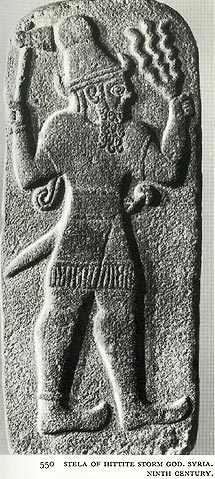
HITTITE MYTHS: THE SECOND VERSION OF TARHUN VERSUS ILLUYANKA

TarhunAs promised here is Balladeer’s Blog’s examination of the second of two different versions of the ancient myth about the Hittite storm god Tarhun battling the supreme serpent Illuyanka. Both versions tie in with the Purulli Festival.

VERSION TWO – Illuyanka, a miles- long serpent, emerged from his lair in the depths of the sea (NOT the Netherworld like in the first version) and unleashed havoc and disorder. Tarhun the storm god clashed with Illuyanka in Kiskilussa and, unexpectedly, the serpent was triumphant. Illuyanka plucked out Tarhun’s eyes and his heart and left him to live blind and helpless (yes, even though he had no heart).

The difference in the two versions centers around the way in which Tarhun eventually gets revenge on Illuyanka. In this version the defeated, blind and “heartless” storm god, seemingly living in exile from his heavenly kingdom following his defeat, marries “the daughter of a poor man”. Neither the name of the daughter or the father is mentioned in the surviving fragments of the myth. Continue reading

12 Comments

Filed under Mythology

HITTITE MYTHOLOGY: THE STORM GOD VERSUS THE SERPENT DEITY

Tarhun and his vizier Suwaliyut confronting Illuyanka

Tarhun and his vizier Suwaliyut confronting Illuyanka

The readers of Balladeer’s Blog have spoken! You want more Hittite mythology! I’m always responsive to my readers so I will now examine two different versions of the ancient myth about the Hittite storm god Tarhun battling the supreme serpent Illuyanka. Both versions tie in with the Purulli Festival.

VERSION ONE – Illuyanka, a miles- long serpent, emerges from his lair in the Netherworld (making him another ally and possible son of the god Kumarbi) and unleashes havoc and disorder. Tarhun the storm god clashes with Illuyanka in Kiskilussa and, unexpectedly, the serpent is triumphant. Illuyanka plucks out Tarhun’s eyes and his heart and leaves him to live blind and helpless (yes, even though he has no heart now). Continue reading

5 Comments

Filed under Mythology

GASYONDETHA: THE IROQUOIS METEOR GOD

meteor showerGASYONDETHA – The Iroquois meteor god. Like the war god Areskoi he tried to woo the goddess Iagentci when she was taking Marriage Bread to Hawenneyu, the Chief of the Iroquois deities. Gasyondetha was associated not just with meteors and comets blazing across the sky but also with ones that struck the earth in Iroquois territory. These fallen meteors were considered Gasyondetha’s teeth, which he would sometimes pluck out of his mouth as a show of fortitude and toss to the earth below.

Many unusual rock formations that were NOT really meteors were mistakenly believed to be fallen meteors by the Iroquois in ancient times. Some stones that were believed to be meteors were said to talk and were the source of ancient stories about the world and the gods in a myth about the origin of Iroquois historical and religious tales.

One of the most famous myths involving Gasyondetha involved the god visiting an Iroquois man- Svengedaigea – in a dream warning him about monsters coming to devour everyone in his village. Continue reading

5 Comments

Filed under Mythology

HITTITE MYTHOLOGY: THE MOUNTAIN GOD AND THE DEER

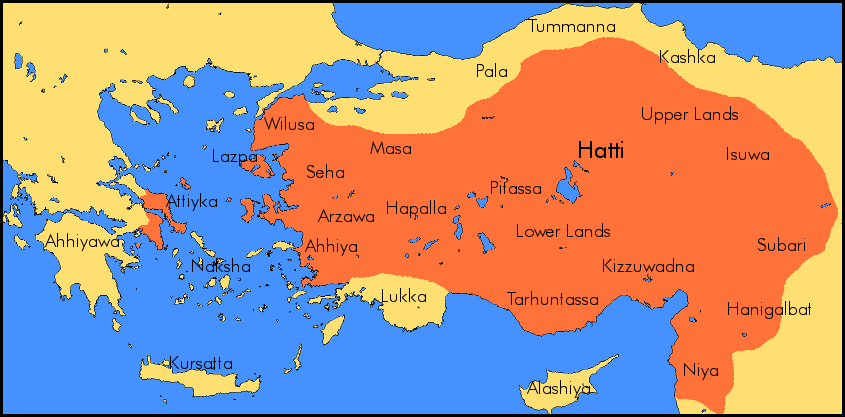
Hittite empireHere at Balladeer’s Blog I’m nothing if not responsive to readers! The mania over the Hittite myths I’ve been examining lately shows no signs of abating so here is another look – this time at a didactic tale involving the mountain god.

Zaliyanu, the god of the mountain which bears his name, was kind enough to shelter a deer that was fleeing hunters. The pursuit had begun on a neighboring mountain whose god didn’t dare risk the wrath of the hunting god Kurunta by sheltering the terrified creature. Zaliyanu, the greatest of the mountain deities, had no such compunction. Continue reading

10 Comments

Filed under Mythology