
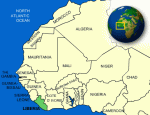
 Balladeer’s Blog presents another neglected epic myth from around the world. In this case, Liberia’s Woi Epic of the Kpelle people.
The Woi Epic is often studied for its use of music, dance, singing and audience participation to reflect the action in the story. Think of it as a combination opera, ballet, live drama and Rocky Horror Picture Show screening.
The order of the episodes in the epic is not set in stone and a performance may include only a few of the episodes, all of them or just one. The finish of each episode is marked by the performer(s) announcing “Dried millet, wese” to which the audience repeats simply “wese.”
ONE – Woi, a culture deity and master of ritual magic, and his wife Gelengol are the only living things that exist. After Woi impregnates his wife she eventually gives birth to human beings, chickens, goats, cows, sheep and, after all other life-forms, spiders. (Plenty of African myths feature a female deity giving birth to multiple living creatures and many feature the woman also giving birth to tools and weapons and utensils.)
TWO – Woi notes that the demonic figure Yele-Walo has stolen one of his bulls by sneaking up on it in the form of a rattan plant. Yele-Walo took the bull with him to his hideaway “behind the sky.” Woi prepares for battle and is aided by squirrel-monkeys, tsetse flies and horse-flies. Yele-Walo also steels himself for the upcoming fight. Continue reading
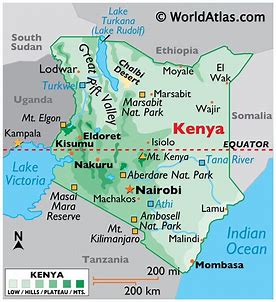 A. Ngai, the creator god, divider of the universe, divider of the land from the sea and owner of the dazzling light, descended to the Earth shortly after making it. Mists covered the entire world because of how freshly made it was.
 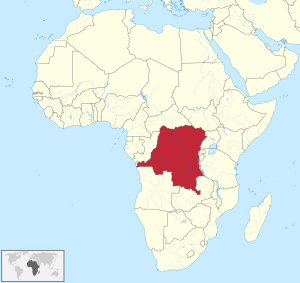 After Balladeer’s Blog’s examination of the Mwindo Epic many readers expressed an interest in Nyanga mythology. I’m all about giving readers what they want so here are brief looks at the deities of the Nyanga people.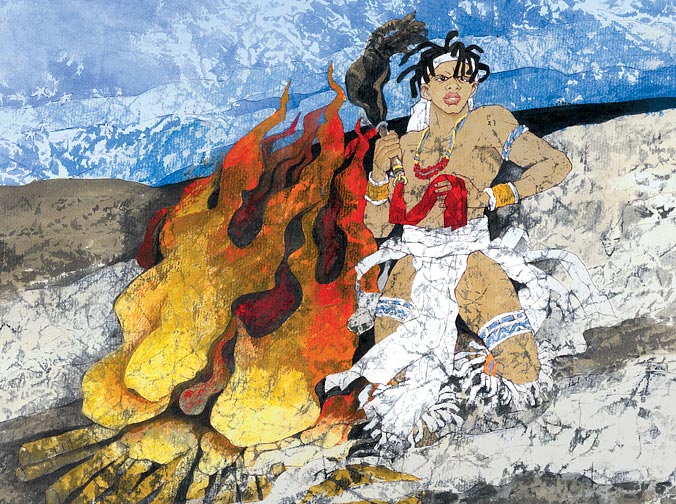
 In the versions where they are two separate entities Mwindo is a villainous figure while Kabutwa-kenda is the main hero of the epic. Regular readers of Balladeer’s Blog will be reminded of the Navajo twin gods Nayanazgeni and Thobadzistsini. Nayanazgeni was usually the hero of the epic about the defeat of the evil gods called the Anaye but in the Apache version of the myth his brother Thobadzistsini is the hero and Nayanazgeni is reduced to being a comic relief coward.
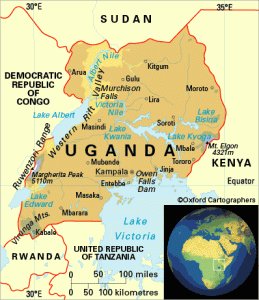 RUHANGA
