
Here’s Part Five of Spider-Man 1970s Classics, in which readers finally learn what lies behind the whole Dr Octopus/ Aunt May/ Canada storyline. For Part One click HERE.
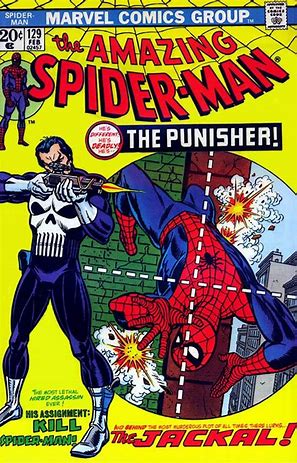 SPIDER-MAN Vol 1 #129 (February 1974)
Title: The Punisher Strikes Twice
Villains: The Punisher and the Jackal
NOTE: I skipped over the less than classic Spider-Man #s 127 and 128, which featured a rushed, poorly written story about our hero fighting a scientist who accidentally mutated himself into a copy of Spidey’s frequent foe the Vulture.
In issue 127 some subplots moved along, so here’s a recap – Spider-Man and his friend the Human Torch (Johnny Storm) of the Fantastic Four continued working on the Spider-Mobile that our hero will get paid for since Corona Motors’ new pollution free engine will be running it.
Meanwhile, Peter Parker and his roommate Harry Osborn had an ugly argument about their strained relationship since Harry’s father died. Peter does not yet know that Harry is the one who removed Norman Osborn’s Green Goblin costume from his dead body before the police arrived. Thanks to the documents that Norman had on his person, Harry now knows that Peter is really Spider-Man and – in his drug-addicted mind – thinks Peter intentionally killed his father.
Lastly, Professor Miles Warren, Peter Parker’s bio-chemistry instructor and academic advisor at Empire State University, had a terse talk with Peter about how he has let his grief over Gwen Stacy’s death seriously jeopardize his grades. Now, on with issue 129.
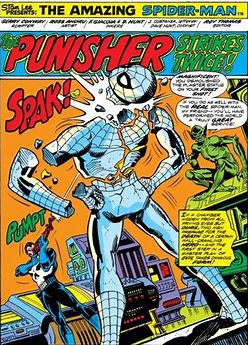 Synopsis: In a laboratory hideout are two costumed men, the Jackal and the Punisher, BOTH making their first ever appearances. The Punisher, the now-legendary vigilante who got multiple movies long before the Marvel Cinematic Universe was launched, is blowing apart statues of Spider-Man with high-tech, specially designed rifles and machine-guns paid for by the Jackal.
Though the Punisher usually works alone, the Jackal has talked him into an alliance against Spider-Man, whom the Jackal wants dead for as yet unknown reasons. The Punisher wants Spider-Man dead because this was when our hero was wanted in regard to two murders – Captain George Stacy and Norman Osborn.
Elsewhere that night, Spider-Man defeats four armed robbers hijacking a truck, while having Peter Parker’s camera set to automatically snap photos of the action. The next morning, as Peter, he shows up at the Daily Bugle with the pics. Continue reading
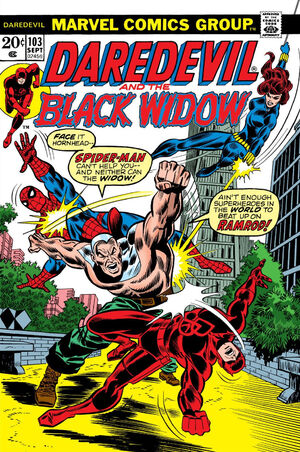 DAREDEVIL & THE BLACK WIDOW Vol 1 #103 (September 1973)
 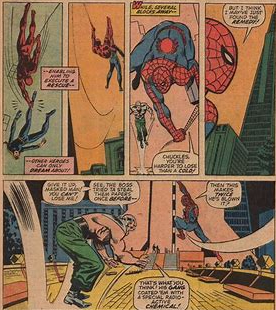 Back to the story, Spidey switches to Peter Parker and enters the mansion’s grounds. He shows his press pass to get past Ivan Petrovich, Natasha’s chauffer back then. (Natasha was still rich through her inheritance from White Russian family members.)
 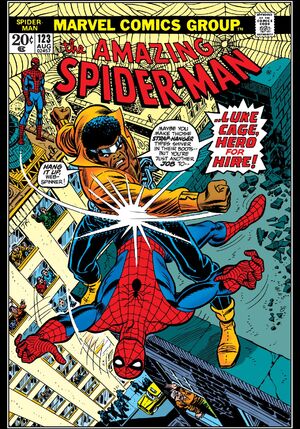 SPIDER-MAN Vol 1 #123 (August 1973)
 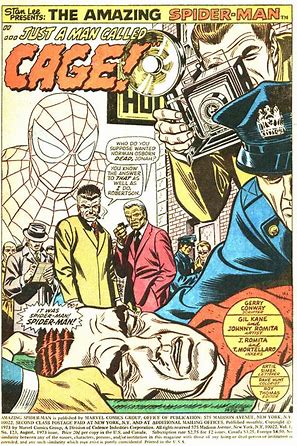 Robbie and the police at the scene tell Jameson they aren’t so sure Spider-Man was the killer. There are fragments of the Green Goblin’s exploding pumpkin-bombs in the battle scarred area there on the New York City streets. PLUS, someone obviously moved Osborn’s body a bit before the cops arrived on the scene. At length Jonah refuses to listen any further and rides off angrily in his limo.
 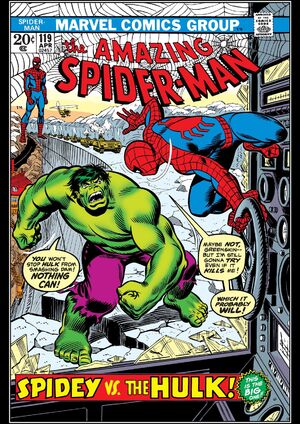 SPIDER-MAN Vol 1 #119 (April 1973)
 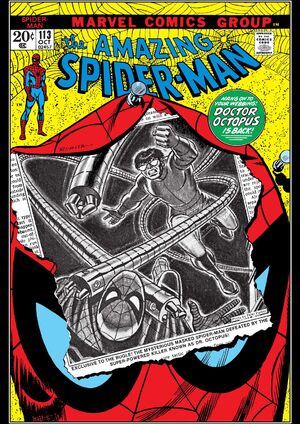 SPIDER-MAN Vol 1 #113 (October 1972)
 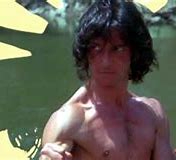 With the movie Shang-Chi and the Legend of the Ten Rings trickling out, assorted readers have been asking me if I’ll do a blog post about the character. I did one back in June, but the release of the movie wound up getting delayed. Below is the link to that blog post in which I examined the first twelve Shang-Chi stories in the 1970s.
 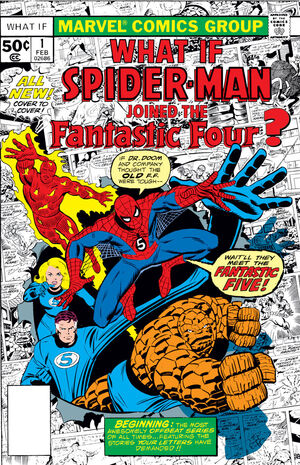 WHAT IF? Vol 1 #1 (February 1977)
 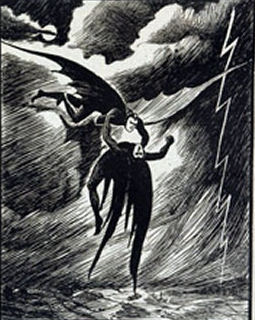 THE WINGED MAN – From Great Britain’s renowned story papers came the Winged Man. British story papers, like Dime Novels and Pulp Magazines, were text stories peppered with a few illustrations. The Wonder, an Amalgamated Press publication, debuted in 1913 and among its offerings was the tragic tale of the Winged Man, whose first story was titled Twixt Midnight and Dawn (the hero’s favorite time to dispense vigilante justice).
 The mysterious Winged Man was “a strange genius” whose real name was never revealed. He possessed such inventive brilliance that he created a suit complete with working wings which allowed him to fly.
 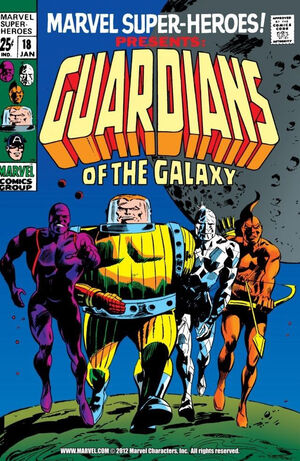 MARVEL SUPER-HEROES #18 (January 1969)
  The Badoon killed every Alpha Centauran because they considered them and their control of the living metal Yaka to be a threat. Similarly, the lizard-like aliens committed genocide on Pluto, Jupiter and Mercury as well, because they felt threatened by large numbers of foemen possessed of the enhanced abilities of those genetically engineered humans.
 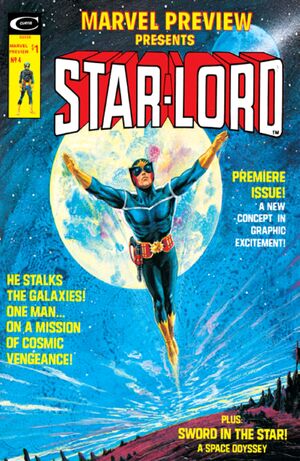 MARVEL PREVIEW Vol 1 #4 (January 1976)
  Balladeer's Blog