Balladeer’s Blog has been examining various dead and resurrected deities from around the world as well as various Apocryphal Gospels. Since this is the season for Passover as well as Easter here’s a look at the Aiwel Longar Epic, which features many parallels with the myth about Moses, Passover and the Ten Commandments.
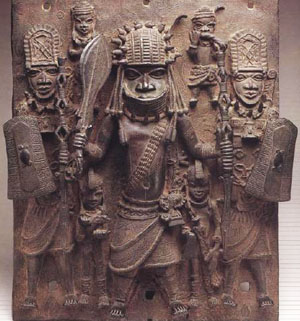 The mythic tale of Aiwel Longar comes from the Dinka pantheon. Nhialic is the supreme deity to the Dinka and the first man and woman he created were Garang and Abuk. The Dinka people live in the Upper Nile in Sudan, as they have for centuries.
AIWEL LONGAR
I often cover the way in which cultures which come into contact borrow mythic material from each other to embellish their own respective belief systems. The story of Aiwel Longar clearly influenced (and vice versa) Egyptian, Jewish, Christian and Muslim myths. It also bears striking similarities to the Gnostic Hymn of the Pearl.
PART ONE – Born as simply Aiwel, this figure was a gift from the god of the Nile River to Aiwel’s widowed and childless mother. The infant already had a full set of teeth when his mother picked him up out of the Nile River, where the river god had set him adrift.
Like many mythic figures Aiwel could talk and function like an adult at a very young age. While still a toddler he often stole and drank entire gourds full of milk. After one such binge Aiwel’s mother caught him and the young demigod warned her not to tell anyone or else she would die. Continue reading →

 For more entries on the gods and goddesses of Inuit mythology click here: https://glitternight.com/inuit-myth/
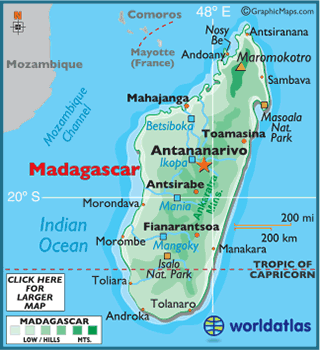 MAHAKA & KOTOFETSY – Trickster deities to the Merina people of Madagascar. Mahaka and Kotofetsy are depicted like Coyote is depicted in Native American myths. In some tales their deceptive nature is applauded and in others condemned.
 Voodoo mythology is a fascinating hybrid of Yoruban, Dahomey, Fon and Christian mythology intermixed with touches from Caribbean belief systems.
 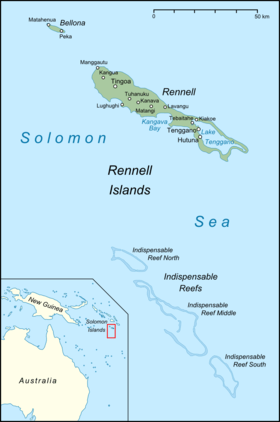 KAUKAUGOGO – This most beautiful of goddesses was the only being to ever be born in Poo’ungi, the land of the dead. Her father and mother – Kangebu and Teatamatu’a – had migrated to and established a residence in the underworld while they were both still alive.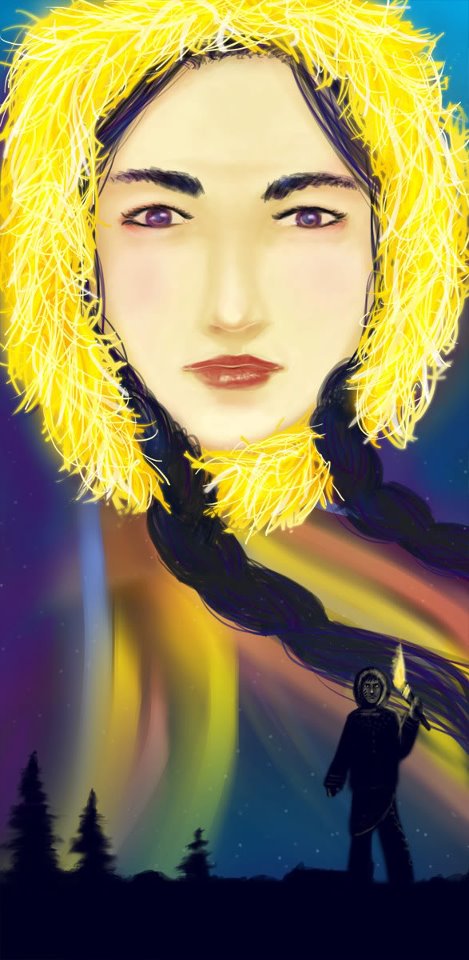
 Balladeer’s Blog examines two more ancient works which – if they had been deemed “authentic” (LMAO) – might have resulted in very different versions of Easter celebrations.
 Balladeer’s Blog continues examining various accounts of dead and resurrected deities, as is customary at this time of year.
  Balladeer's Blog