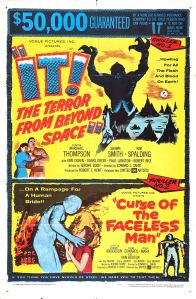
It! The Terror From Beyond Space
IN THE MIDDLE 1980s/ WAY DOWN ON LEVEL 31 …
Before MST3K there was The Texas 27 Film Vault! Balladeer’s Blog continues its examination of this neglected cult show from the 1980s. Randy Clower and Richard Malmos, our machine-gun toting members of the Film Vault Corps (“the few, the proud, the sarcastic”) do their usual bit of showing and mocking an old serial then showing and mocking a bad movie.
Thanks to my interview with Randy Clower, the show’s co-creator and co-star and thanks to my research through VERY old newspapers plus emailed memories from other T27FV fans I’m taking a look at another episode of the show where an exact broadcast date can be determined.
ORIGINALLY BROADCAST: Saturday July 12th, 1986 from 10:30pm to 1:00am.
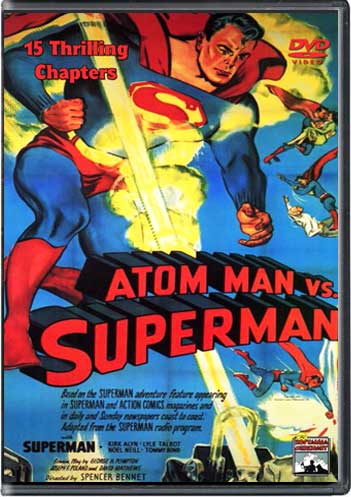
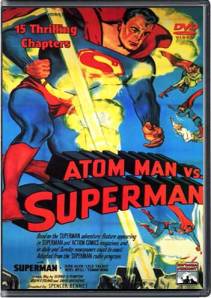 SERIAL: Before the night’s movie Randy and Richard would often present old serials. In this episode of the show our “Film Vault Technicians First Class” showed an episode of the 1950 Columbia serial Atom Man vs Superman to be mocked. Kirk Alyn starred as Superman with Lyle Talbot as his archenemy Lex Luthor. Lex has his own secret identity in this serial – each episode he dons a lead mask and oversees the villainy as “Atom Man”.
This was one of the liveliest and most campily watchable serials of the 50s. Especially laughable are the bits when Superman “flies” – an effect achieved by switching from live footage of Kirk Alyn to INSERTED CARTOON FOOTAGE of Superman flying. Think of the ‘Toons in Roger Rabbit interacting with the live backgrounds and you have the idea.
FILM VAULT LORE: This episode of The Texas 27 Film Vault was the first to come with a Viewer Discretion warning. Gore effects fans (And what T27FV fan WASN’T a gore effects fan?) were in Nirvana this night as Film Vault Corps member Joe “The Hypnotic Eye” Riley was given full reign for some of his most graphic effects work during the comedy sketches or Host Segments if you prefer.
Howling!
Direct from the Film Vault Corps Academy in Leadville, Colorado, the Academy’s Little Theater Group was touring Film Vaults across the country. Tonight they were performing on Level 31 of the Film Vault underneath Dallas, where the show was set. The Little Theater Group was reenacting scenes from famous alien monster movies and since It! The Terror From Beyond Space was a partial inspiration for the original Alien, the chest-burster scene was reenacted in darkly comic glory! (As if the chow in the Film Vault Commissary wasn’t unappetizing enough already!)
THE MOVIE: It! The Terror From Beyond Space is one of the consummate low-budget schlockers of the 1950s. It embodies the “so bad it’s good” aesthetic that so many Movie Host shows have always reveled in. In the far-off year 1973 (LMAO) a very fake-looking space-ship on an even more fake-looking matte-painting of a Martian landscape has come to rescue the sole survivor of the previous mission to the Red Planet. (So far it sounds almost like Queen of Blood, shown on T27FV in May of 1986 and reviewed previously) Continue reading →

 Episode Title: THE SCHIZOID MAN … In the ongoing debate about the exact numbering of the 17 episodes of The Prisoner I place this as the 5th episode.
  Episode Title: CHECKMATE … In the ongoing debate about the exact numbering of the 17 episodes of The Prisoner I place this as the 4th in the series.
 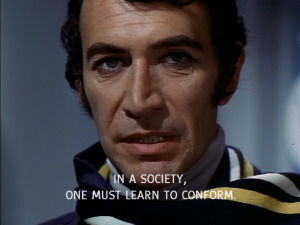 The episode begins with the Prisoner witnessing yet another sudden unleashing of “Rover” the bioelectrical synthetic creation which the Villagekeepers use to subdue outbreaks of disobedient behavior among the Villagers. As usual everyone freezes in their tracks, knowing Rover will attack anyone perceived as resisting.
  Walking Stick Man invites McGoohan’s character to a game of chess he is heading to. The Prisoner goes along and finds that the game is played with human chess pieces in one of the least subtle of the program’s metaphors.
  Episode Title: THE CHIMES OF BIG BEN. In the ongoing debate about the exact numbering of the 17 episodes of The Prisoner I place this as the 3rd in the series. Any comments that I have regarding the Alternate Chimes of Big Ben will be made in this same post.
  Leo McKern’s character’s verbal fencing with Patrick McGoohan is as much fun to watch as Columbo’s cat and mouse games with the murderers on his show. (And yes, I know McGoohan was no stranger to Columbo, both the 1970s series and the later revival.)
 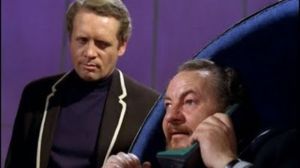 Leo makes it clear that the Village represents the model for the Earth of the future as pursued by highly-placed elements from both sides of the Cold War. He paints a picture of inevitability for the Prisoner in hopes that he can make McGoohan cave in while retaining his sense of personal honor. If a Global “Village” is inevitable there’s no shame in surrendering to it.
 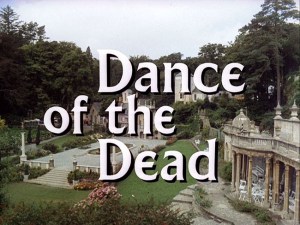 Episode Title: DANCE OF THE DEAD
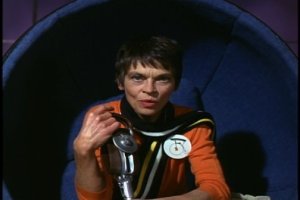 Mary Morris as this episode’s Number Two is one of the most memorable Number Twos in the rotating series of those Village executives. As we all know Trevor Howard was originally slated for this episode but Morris is a more than welcome change.
 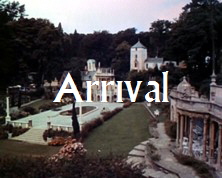 Episode Title: ARRIVAL
 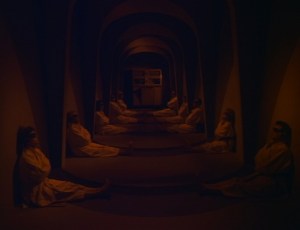 All inhabitants/ captives of the Village are either former Intelligence Operatives like himself, or scientists or figures from the government or military. And from all around the world, too, not just the West.
 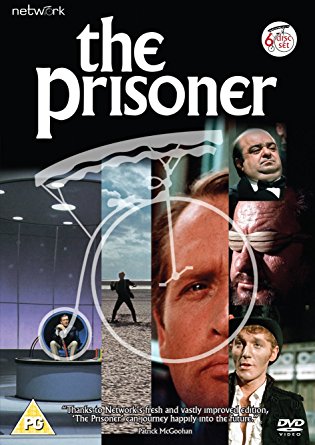 Regular readers of Balladeer’s Blog are very familiar with my high regard for Patrick McGoohan’s 1967 science-fiction/ existential drama The Prisoner. Over the many times I’ve referred to this 17-episode program I’ve heard back from a few readers here and there saying they have heard of the show but never saw any episodes and don’t understand its appeal.
 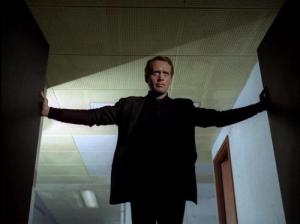 The premise of The Prisoner reflects Patrick McGoohan’s disillusionment and disgust with the way pop fiction romanticized Intelligence Agents, who are actually just government thugs, not heroes. From interviews McGoohan did over the years he seemed to feel a certain sense of personal guilt over his own contribution to that romanticized image, especially from his successful run as Intelligence Operative John Drake on Danger Man and Secret Agent. (His acclaim from those programs was such that Patrick was supposedly approached to play James Bond in Dr No. He declined.)
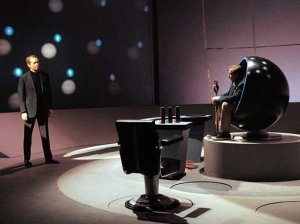 Either way, John Drake or not John Drake, the point is that McGoohan portrays a Secret Agent who resigns from the Intelligence Services in disgust. Soon after, he is gassed into unconsciousness and abducted.

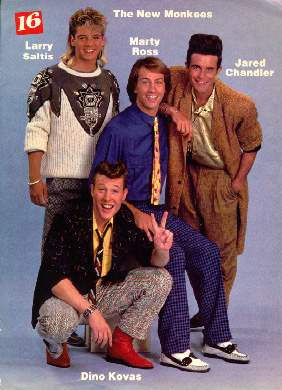 The New Monkees are remembered as the most pointless re-launch of a band in history AND as one of the worst television shows in history. I’ve never listened to their one and only album so I can’t say if they make it a Hat Trick with one of the worst albums in history, too.
 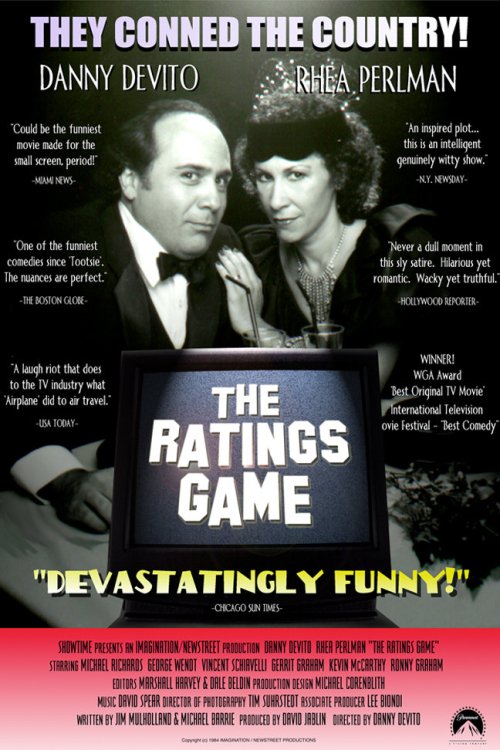 THE RATINGS GAME (1984) – Danny DeVito directed and starred in this telefilm – now being re-released under the vague-to-the-point-of-meaningless title The Mogul, which was produced by Showtime back when they and HBO Films were emerging as a genuine creative force in original content.
  The Ratings Game – written by Jim Mulholland and Michael Barrie – was a perfectly respectable satire on the network television ratings system but it has become unjustly forgotten. The change of title for its latest release seems like a desperate attempt to change the telefilm’s fortunes.
