
HAPPY THANKSGIVING FROM BALLADEER’S BLOG!
 Two thousand fishermen from Cape Cod had gone off to enlist in the Continental Army, and in their absence the British had repeatedly landed raiding parties to harass the citizens.
Every man, woman and child on the Cape hated the soldiers and sailors of King George and would do anything to work them harm. When the Somerset was wrecked off Truro in 1778 the crew were helped ashore, but they were immediately marched to prison.
It was November – the night before Thanksgiving Day in fact – and ugly weather caused a British three-decker warship to yaw wildly and drift toward land with a broken tiller. No warning signal was raised on the bluffs; not a hand was stirred to rescue. The New Englanders who saw the accident watched with sullen satisfaction.
Ezekiel and Josiah Breeze – father and son – stood at the door of their cottage and watched the warship’s peril until three lights twinkling faintly through the gray of driving snow were all that showed where the enemy lay, straining at her cables and tossing on a wrathful sea.
They stood long in silence, but at last the boy Josiah said “I’m going to help the ship.”
“If you stir from here to help King George’s men, you’re no son of mine,” said Ezekiel. Continue reading
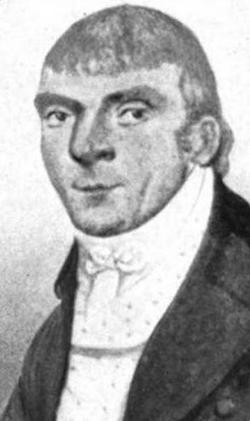 “THE SALAMANDER” – Previously I covered Haraden’s career in the Massachusetts Navy as First Lieutenant and later Captain of the legendary commerce raider Tyrannicide. After two years on board that vessel, by the summer of 1778 Captain Haraden left the Massachusetts Navy to command the privateer ship the General Pickering. Haraden’s fame would fly even higher as he earned the nickname “The Salamander,” a play on words regarding his ability to withstand fire.
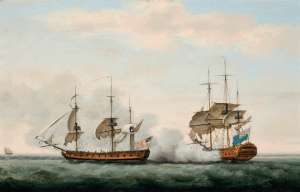
  Always a consummate swashbuckler, Haraden would sometimes capture a British prize even while transporting a cargo across the Atlantic. Off Sandy Hook, NJ on October 13th, 1779 the good captain added to his legend by taking on THREE British privateer vessels at once. The Brits outgunned the 16-cannon General Pickering by 14, 10 and 8 cannons but the Salamander coolly emerged triumphant and towed in all three defeated craft.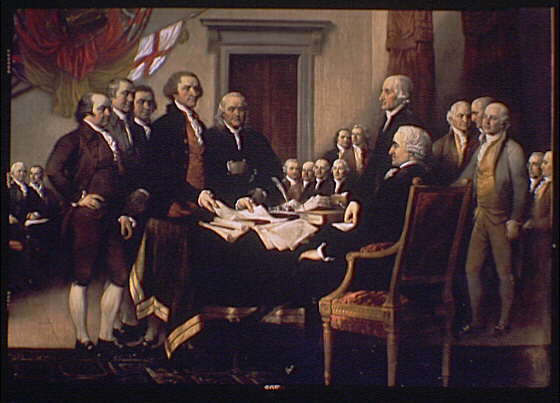
 The Fourth of July is fast approaching! Balladeer’s Blog presents another seasonal post in honor of that upcoming holiday.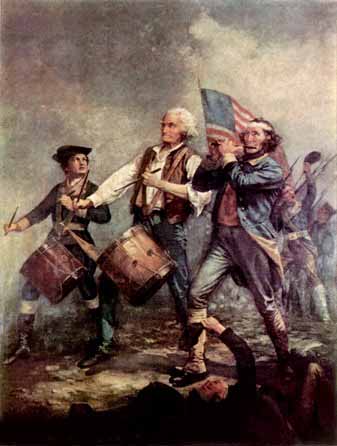
 It may be my fondness for mythology that makes me love to watch particular movies around particular holidays. I say that because many of the well- known myths were recited on ancient holidays when their subject matter was relevant to those holidays. The stories helped accentuate the meaning of the special events and that’s the way I use various movies.
 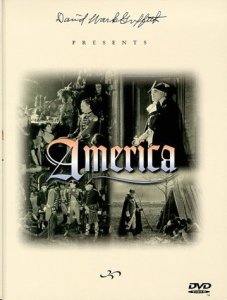 Regular readers of Balladeer’s Blog are familiar with my fondness for old Silent Movies. America was D.W. Griffith’s 1924 production about the Revolutionary War. The movie is pleasant enough for the July 4th holiday season, but don’t expect a classic like The Phantom of the Opera, The Mark of Zorro or many other masterpieces of the silent era.
 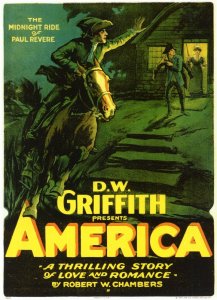 The Holdens can’t stand the snobbish Montagues and the Montagues pompously look down on the Holdens and the rest of the rebels. Nancy’s father would rather see Nancy married off to the prominent British military officer Captain Walter Butler, played with aristocratic and sadistic flair by THE Lionel Barrymore.
 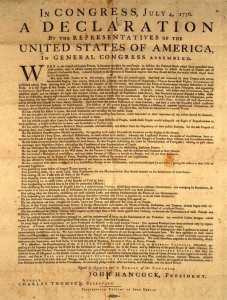 Another look at an individual state’s representatives who signed the Declaration of Independence:
  SECOND BATTLE OF MACHIAS – Previously I covered the First Battle of Machias from June of 1775. After that action Machias became a busy base for Privateering vessels. This second battle was fought August 13th-14th, 1777.
 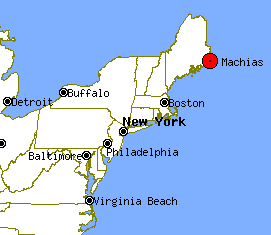 FIRST BATTLE OF MACHIAS – This battle took place June 11th and 12th of 1775, less than two full months after the Battles of Lexington & Concord kicked off our Revolutionary War. At this point in the 1700s Maine was still technically a Department of Massachusetts, which is why Maine is not listed as one of the original 13 colonies despite all the action that took place there.
  Balladeer's Blog