
Marvel’s dominance of pop culture continues, so here’s a look at some classic covers and stories from the 1970s Spider-Man series.
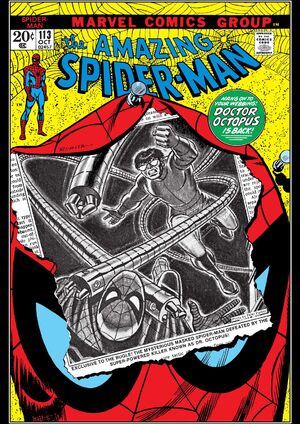 SPIDER-MAN Vol 1 #113 (October 1972)
Title: They Call the Doctor … Octopus
Villain: Doctor Octopus
Synopsis: With the Kingpin, overlord of organized crime in New York City, having been arrested in Las Vegas over in the Captain America & the Falcon comic book series months earlier, a gang war has erupted in New York to fill the power vacuum. Among the main contenders for the vacant top spot is Doctor Octopus, who employs thugs PLUS scientific advancements to run his criminal empire.
Meanwhile, as Spider-Man, college student Peter Parker continues his quest to find his missing Aunt May, who ran away after Peter’s girlfriend Gwen Stacy argued with her about May’s refusal to accept that Peter was a grown man now and didn’t need constant mothering.
Reluctantly, Spider-Man was drawn into the raging Mob War by his archenemy Doctor Octopus. Doing his best to bring down Doc Ock as quickly as possible so he can resume his quest to locate Aunt May, our hero had just used some of Octopus’ own technology against him to defeat him and some of his gangsters. Suddenly, he was attacked by the other top contender in the raging gang warfare – the new crime boss called Hammerhead. Continue reading
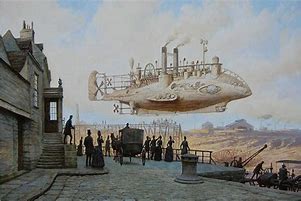 THE YEAR 4338, LETTERS FROM PETERSBURG (1835) – Written by Vladimir Fedorovich Odoevski. Set in the year 4338 A.D. this novel is told through correspondence from Hyppolitus Tsungiev, a Chinese college student in Saint Petersburg to Chinese friends in Peking. In that far future year Saint Petersburg has grown to be a megalopolis so large that it extends all the way to Moscow.
  With the movie Shang-Chi and the Legend of the Ten Rings trickling out, assorted readers have been asking me if I’ll do a blog post about the character. I did one back in June, but the release of the movie wound up getting delayed. Below is the link to that blog post in which I examined the first twelve Shang-Chi stories in the 1970s.
 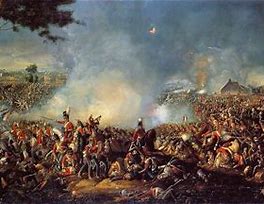 WHAT IF NAPOLEON HAD WON AT WATERLOO? (June 18th 1815) – In 1907 G.M. Trevelyan penned an essay on this topic. In Trevelyan’s take, Napoleon had been chastened by his temporary exile to Elba before escaping and regaining control of France.
 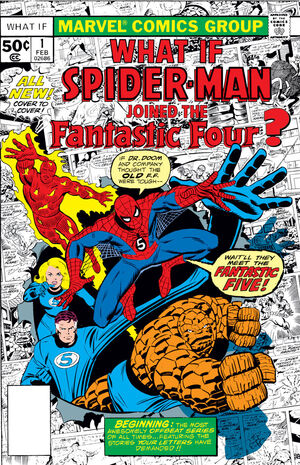 WHAT IF? Vol 1 #1 (February 1977)
 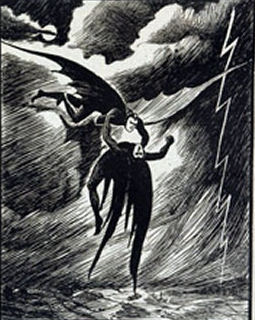 THE WINGED MAN – From Great Britain’s renowned story papers came the Winged Man. British story papers, like Dime Novels and Pulp Magazines, were text stories peppered with a few illustrations. The Wonder, an Amalgamated Press publication, debuted in 1913 and among its offerings was the tragic tale of the Winged Man, whose first story was titled Twixt Midnight and Dawn (the hero’s favorite time to dispense vigilante justice).
 The mysterious Winged Man was “a strange genius” whose real name was never revealed. He possessed such inventive brilliance that he created a suit complete with working wings which allowed him to fly.
 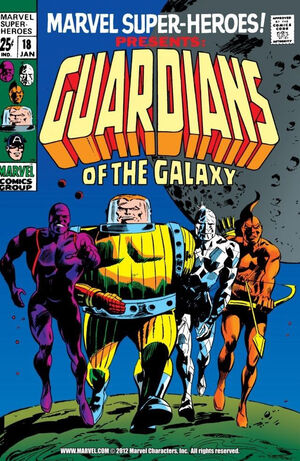 MARVEL SUPER-HEROES #18 (January 1969)
  The Badoon killed every Alpha Centauran because they considered them and their control of the living metal Yaka to be a threat. Similarly, the lizard-like aliens committed genocide on Pluto, Jupiter and Mercury as well, because they felt threatened by large numbers of foemen possessed of the enhanced abilities of those genetically engineered humans.
  THE WRECK OF A WORLD (1889) – Written by W. Grove. (No other name available) This novel is the sequel to Grove’s A Mexican Mystery, an ahead-of-its-time work about a train engine devised to have artificial intelligence. The machine – called only The Engine in that story – rebelled and took to preying on human beings in horrific fashion. For Balladeer’s Blog’s review of that novel click
 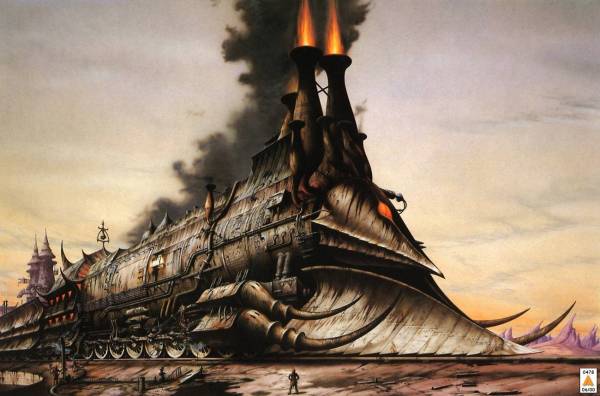 Our story begins in what was to Grove “the far future” of 1949. After a fairly superficial depiction of the world’s political and scientific situation in this imaginary future the meat of the tale begins. All in all the author did not present 1940s technology as being much more advanced than what was available in the 1880s. Grove might have done better to set his tale in 1899 or just into the 1900s to detract from his lack of vision on this particular element.
 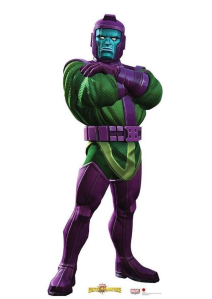 In the past handful of days Balladeer’s Blog’s 2017 blog posts examining the Marvel Comics villain Kang the Conqueror and some of his other selves like Immortus and Rama Tut have been getting incredible amounts of hits. I looked into it and it turns out that when the latest Marvel streaming miniseries, Loki, ended, the cliffhanger involved Kang and Immortus at Immortus’ castle in Limbo, the realm outside the time stream.
  I thought that people were just going to my 2017 blog posts because they had no idea who Kang and Immortus are. Instead, I started getting comments from readers expressing thanks for the clarity of the “Timey-Wimey” nature of Kang’s labyrinthine saga. They said that the people writing the Loki miniseries plopped everything into the far later stages of the Kang/ Immortus stories, bypassing the earlier tales that would help people understand it.
 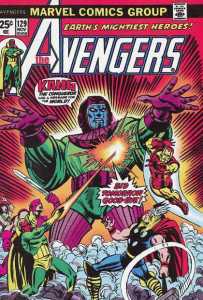 ONE: BID TOMORROW GOODBYE – Kang wants the Celestial Madonna (Mantis, who started out as an Avenger in the 1970s) and reveals she has been the reason he frequently targeted the 20th Century. Agatha Harkness guest-stars, from the years when she was the Scarlet Witch’s mentor. CLICK
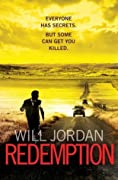 REDEMPTION (2012) – The novel that introduced Will Jordan’s character Ryan Drake, a former British soldier now working for the CIA. Drake leads the elite Shepherd Team, which tracks down missing agents whether they’ve disappeared willingly or unwillingly.
  Balladeer's Blog