
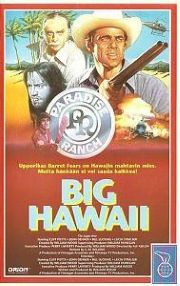
 BIG HAWAII (1977) – From a promising pilot movie to “poof” it’s canceled – that’s the story of and that’s the glory of Big Hawaii. I’ve rarely seen such a pronounced overhaul from a pilot movie to the resulting series.
We’re not just talking about a change in some cast members here, this thing changed genres between its pilot film and its first episode and was definitely worse off for it.
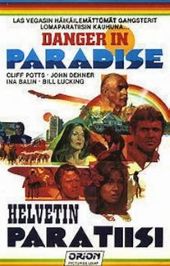 BIG HAWAII: DANGER IN PARADISE (May 12th, 1977) – The creative team came so close to changing the future of 1970s prime time programming by getting the jump on Dallas, which did not come out until 1978. The network suits or somebody chickened out after this powerhouse pilot movie.
The Paradise Ranch in Hawaii is the setting for enough family intrigue, corporate power struggles and romantic subplots to fuel what might have been the biggest prime time soap opera since Peyton Place.
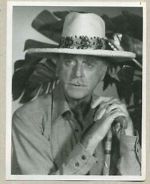 JOHN DEHNER, forever remembered as the voice of Paladin on the Have Gun Will Travel radio western, played Barrett Fears, patriarch of the Fears family and a veteran power player in what would soon become Jock Ewing fashion.
Barrett rules through fear and a “divide and conquer” mentality when it comes to those around him. A stroke temporarily slows him down.
 INA BALIN as Barrett’s second wife Marla embodied the older-but-still-hot female character that would soon define a genre. Think Joan Collins and Linda Evans on Dynasty, Abby Dalton, Susan Sullivan and many more on Falcon Crest, Barbara Rush and Stella Stevens on Flamingo Road, Katharine Ross on The Colbys plus a few others I’m probably forgetting.
The sultry Marla Fears misled the much older Barrett into thinking she was a devoted wife but all the while she and her son plus every other man she could manipulate tried helping her steal sole control of Paradise Ranch – especially the priceless land on which it stood.
In just this telefilm she subtly sabotages her recovering husband’s medical care, works with organized crime in a land-stealing venture, sleeps with her hunky flunky and even tries to seduce her stepson into an alliance against his father. Continue reading
 EL HOMBRE ARTIFICIAL (1910) – This story was written by Uruguayan-born writer Horacio Quiroga under the alias S. Fragoso Lima. Quiroga moved to Argentina in 1902. Upon being diagnosed with stomach cancer in 1937 he committed suicide.
 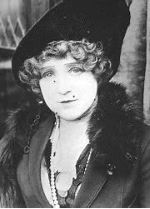 BESS THE DETECTRESS – Bess Meredyth was a silent film starlet, writer and director. This particular blog post will focus on her Bess the Detectress character at Universal Studios but in the future Balladeer’s Blog will cover other aspects of her life and career.
 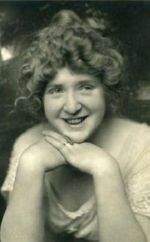 BESS THE DETECTRESS IN THE OLD MILL AT MIDNIGHT (Jun 1914) – The first short in the Bess the Detectress series. When the stage show she was performing in closes as a flop, Bess is left scrambling for her next meal. She spots a Wanted poster offering a reward of $200.00 (equal to $6,300 in 2025) for the capture of the male outlaw Honey Hall.
  FIRST, I AM DOING WHAT ANY SUCH LIST COMPILER SHOULD DO IF THEY ARE TRYING TO BE AS OBJECTIVE AS POSSIBLE: I am omitting the most recent presidents because of the way emotion (and hysteria in some cases) can color perceptions of them. Presidential rankings lists which go all the way up to the present year are used simply as partisan political propaganda, not as true assessments.
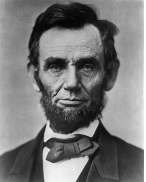 ABRAHAM LINCOLN
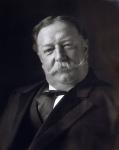 WILLIAM HOWARD TAFT
  CENTURY CLUB – Teams scoring 100 or more points in Regulation: The BRISTOL COLLEGE BAYHAWKS shredded the visiting QUINSIGAMOND COLLEGE WYVERNS 115-62 ### The OWENS COLLEGE EXPRESS won 100-74 at the LORAIN COUNTY COLLEGE COMMODORES ### And the NORTHERN ESSEX COLLEGE KNIGHTS defeated the UCONN AT AVERY POINT POINTERS 109-90.
 ONE-POINT WONDER – The JEFFERSON COLLEGE CANNONEERS welcomed the FINGER LAKES COLLEGE LAKERS. A hard-fought opening Half ended with the Cannoneers up 35-31. From there the contest grew even tighter but Jefferson College held on for an 82-81 win. Owen Coall’s 20 points led the way, while fellow Cannoneer Brian Rivera logged a Double Double of 17 points and 11 rebounds.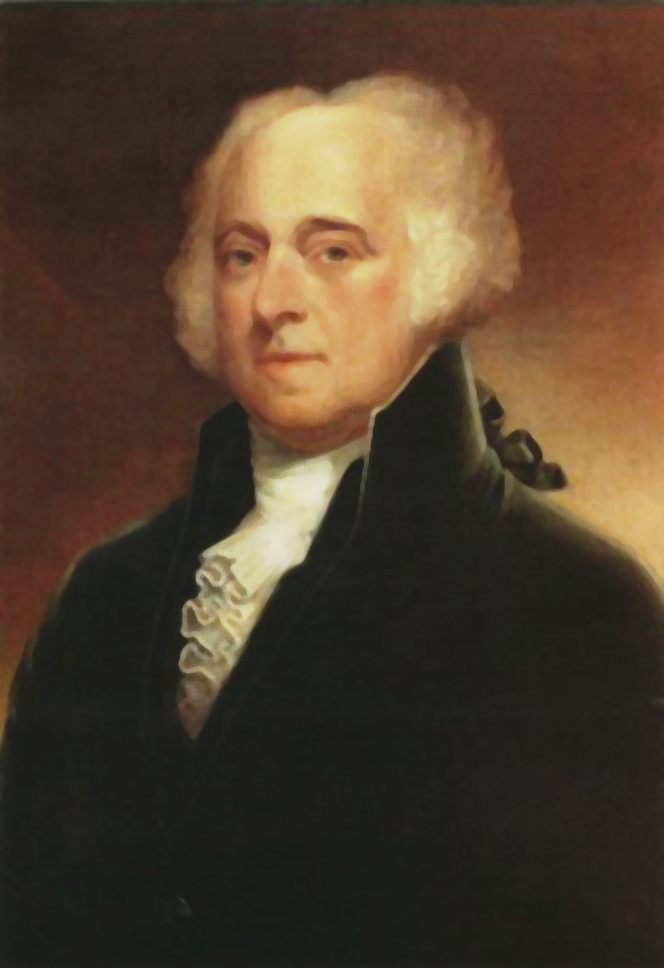
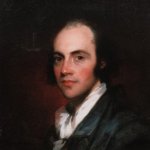 AARON BURR
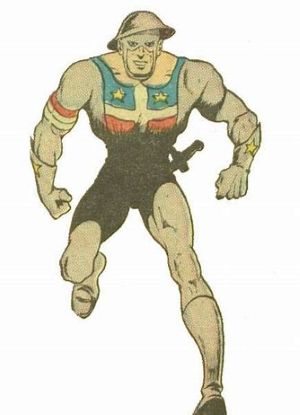 GHOST OF FLANDERS
 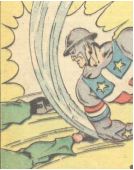 In reality the young man was in a Prisoner of War camp until being released after the war ended on November 11th, 1918.
 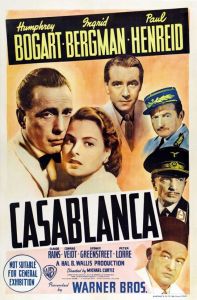 CASABLANCA (1942) – Happy Valentine’s Day! A few readers of Balladeer’s Blog have asked me for my opinion on this classic movie so I figured Valentine’s Day was the perfect opportunity.
  Getting back to Casablanca, it’s possibly the greatest “bittersweet ending” romantic flick ever made. I find that it appeals to almost everyone. If you’re young and naïve it can make you ache at the thought of persevering despite your broken heart. If you’re older and cynical it makes you nostalgic for a time when you actually thought a broken heart was the worst thing that could happen to you.
  Balladeer's Blog