
If you’re fine with this picture but crawl on your belly when Muslim savages are offended you’re a gutless hypocrite.
It’s always fun pondering how different today’s Easter celebrations might be if any of the fascinating apocryphal gospels (meaning the rejected and obscure gospels outside of the four accepted by mainstream Christianity as “authentic”) had been deemed canonical.
This continues Balladeer’s Blog’s annual examination of the Apocryphal Gospels that provide the best opportunities for comparative mythology. These particular three depict:
a) a Jesus who transports himself and his Apostles from the Garden of Gethsemane directly to God the Father’s throne-room in Heaven,
b) Hell as a living entity unto itself that converses with Satan,
and c) a Jesus who has mastered the esoteric traditions of many other faiths before facing his ultimate destiny on the Cross
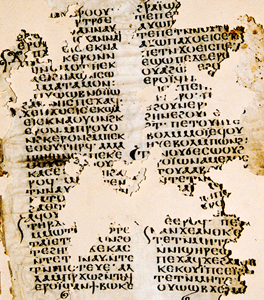
If you don’t believe me about what it says read it for yourself.
THE GOSPEL OF THE SAVIOR – The narrative of this gospel centers around dialogues between Jesus and his apostles in the last few days before his arrest and crucifixion. Some of the material is similar to the Gospels of John and Matthew, but some is Gnostic, with references to discarding the useless garment of the body so the soul can return to the empyrean realm.
The most striking departure in this gospel comes in the Garden of Gethsemane segment, when Jesus, as God the Son, traditionally prays to God the Father to spare him the ordeals that lay ahead. In The Gospel of the Savior Jesus transports himself and his apostles to the throneroom of God the Father where he makes his appeal in person. The apostles, who stay awake for once in this version, look on as Jesus and God the Father converse in this scene, which serves as this gospel’s substitute for the traditional transfiguration episode of other gospels. Continue reading →

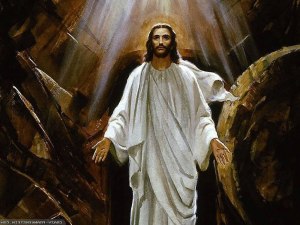 THE GOSPEL OF THE SAVIOR – The narrative of this gospel centers around dialogues between Jesus and his apostles in the last few days before his arrest and crucifixion.
 Balladeer’s Blog examines two more ancient works which – if they had been deemed “authentic” (LMAO) – might have resulted in very different versions of Easter celebrations.
  Balladeer’s Blog continues examining various accounts of dead and resurrected deities, as is customary at this time of year.
  THE GOSPEL OF NICODEMUS – Despite the title of this gospel, Nicodemus doesn’t even show up until section five. This alternate scripture started out as
  It’s the time of year when Balladeer’s Blog highlights comparative mythology, both in terms of other cultures’ dying and resurrected deities or in this case by showcasing alternate gospels that Christian authorities of long ago deemed to be non-canonical.


 Gnostic, with references to
 Balladeer's Blog