
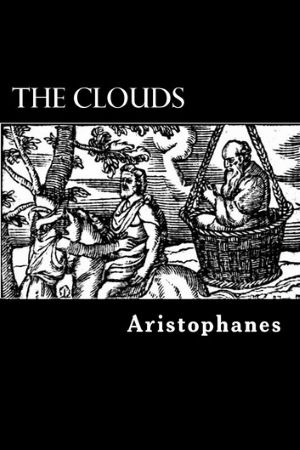
 The Clouds was written by Aristophanes around 423 BC and next to Lysistrata is the Big A’s most- discussed satire, mostly because of its lampooning of the philosopher Socrates, a contemporary of Aristophanes.
Many modern readers, who have been programmed to sneeringly deconstruct old works of art rather than understand them, love to regard this comedy with hostility. They accuse Aristophanes of being “anti – intellectual” for subjecting Socrates in particular and the Sophist philosophers in general to the same satirical criticism that every other aspect of Athenian society was subjected to in comic plays.
There are many arguments I can use to refute this claim, and I’ll present them below following my synopsis of the play itself.
To provide just a brief argument right now since you may be curious, let me remind everyone that Shakespeare is famous for the line about killing all the lawyers, but I’ve never met one rational person who thinks that line means Shakespeare was seriously proposing the execution of all lawyers or the elimination of the law and/or the judiciary system. By the same token I hardly think Aristophanes was railing against every form of education or intellectual inquiry. More on this controversy, including the trial of Socrates, below.
THE PREMISE
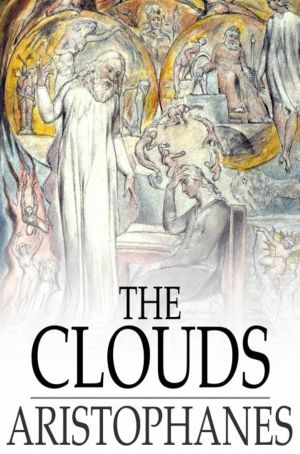 In the ancient Greek democracy Athenian citizens were expected to represent themselves in court in both criminal and civil proceedings.
Since juries are the same no matter what the time period a guilty person who was a good speaker could get acquitted while an innocent person who was an inept speaker could get found guilty.
Conversely, since there were no public prosecutors, citizens could charge their fellow Athenians with crimes and if they were skilled enough at speaking they could railroad an innocent person. Many Athenian citizens who faced a court date would pay some of the “streetcorner” Sophist philosophers to teach them rhetorical skills to make them better prepared for their appearance in court.
The Sophists were often criticized in the same way that we criticize lawyers today, because the Sophists believed in using elaborate rhetorical games to win arguments without regard to any moral or ethical considerations. Our modern words “sophisticated” and “sophistries” (especially appropriate to The Clouds) come from the same root word. Continue reading
 Balladeer's Blog