 HOLLYWOOD (1980) – A week ago Balladeer’s Blog took a look at the classic documentaries Buster Keaton: A Hard Act to Follow and Harold Lloyd: The Third Genius, by Kevin Brownlow and David Gill. This time around I’m examining their 1980 documentary series Hollywood: A Celebration of the American Silent Film.
This series was one of the duo’s earliest masterpieces at capturing the appeal and unique beauty of silent movies from the pre-sound era. Like all their subsequent documentaries about silent films, this one features irreplaceable interviews with many stars, directors and staff members who worked in the industry during the early 1900s.
James Mason’s authoritative voice sets the mood for this educational and moving tribute to a long-lost era. The episodes:
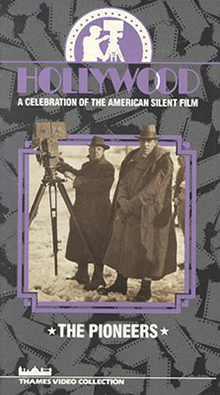 THE PIONEERS – A look at the era when movie production was predominantly in New York and New Jersey, until expenses and encroachments by organized crime forced the industry to migrate to Hollywood, CA, a place then known mostly for its lemon groves. Featuring footage from The Great Train Robbery (1903) on up through films from the mid-teens and the 1920s like Ben-Hur (1925), The Black Pirate (1926), The Fire Brigade (1927) and The Wind (1928).
IN THE BEGINNING – An examination of the movie boom’s virtual conquest of the world, with Hollywood becoming the hub of that multi-million dollar enterprise, partly due to the way World War One severely hindered the formerly dynamic European studios. Featuring interviews with industry legends like Lillian Gish (who had advised Annabeth Gish against going into acting), Henry King and Agnes de Mille, Cecil B’s wife.
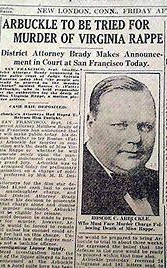 SINGLE BEDS AND DOUBLE STANDARDS – Stories from the raucous, hard-partying years of Hollywood’s silent movie era. As covered previously here at Balladeer’s Blog, silent movies at first openly portrayed drug use, marital infidelity, drinking at speakeasies, etc. There was even a silent porn industry. When public scandals involving Fatty Arbuckle and others blackened Hollywood’s reputation, the Hays Code was introduced, blocking many adult themes from the big screen well into the 1960s. Continue reading →

 Since this is Easter Week the Silent Film geek in me figured I’d post this 44-minute work about Jesus from the cradle to the crucifixion.
  Reactions to Balladeer’s Blog’s reviews of silent movies have been positive enough that I’d like to offer a quick take on a few multi-part documentary series on the subject. Both were from British Film Historian Kevin Brownlow, who did a better job of depicting the Age of Silent Movies than any Americans ever did.
 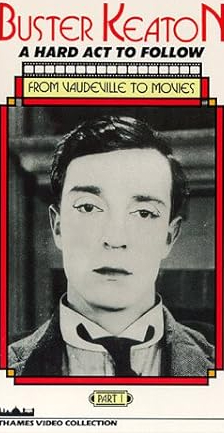 PART ONE – From Vaudeville to Movies: Brownlow and his colleagues scoured the best available footage remaining from Buster Keaton’s silent comedies. (For newbies to silent film history I’ll mention that countless movies from that period are lost forever due to decomposition prior to efforts to preserve them.)
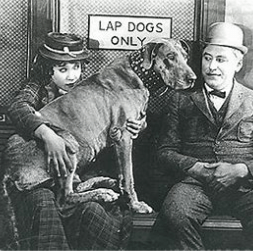 Balladeer’s Blog takes another look at the films of a silent movie star. This time I’m reviewing some of the films featuring trained animal star Teddy the Great Dane aka Teddy the Dog aka Keystone Teddy. From 1915 to 1924 Teddy starred or otherwise appeared in silent shorts as well as feature-length movies.
 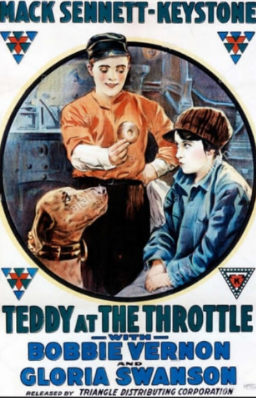 TEDDY AT THE THROTTLE (1917) – This Mack Sennett short at Keystone Studios was one of two films in which Teddy actually got his name in the title. In this light-hearted affair the Great Dane plays the pet of THE Gloria Swanson.
 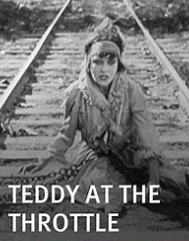 Beery’s villain character is embezzling money from the romantic leads Gloria Swanson and Bobby Vernon. Teddy, the REAL star, is cute and lively, plus he bravely saves Gloria’s life in the end when Beery ties her to railroad tracks after his villainy is exposed.
 THE PHANTOM OF THE OPERA (1925) – Lon Chaney Senior’s makeup and performance as the title character were envelope-pushing for 1925 audiences. To me this is the ULTIMATE silent horror film. It may sound odd, but in my opinion this movie is the very best cinematic adaptation of the Gaston Leroux novel.
 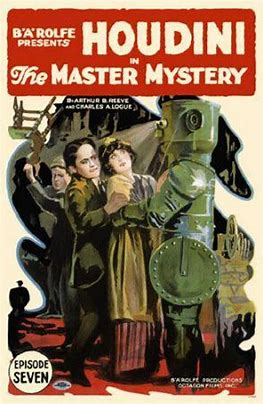 THE MASTER MYSTERY (1918-1919) – The first film footage of Harry Houdini performing his stage act dates to 1907, but it wasn’t until this 15-part serial that he hit the big screen in a series of adventures. Chapter One of The Master Mystery debuted on November 18th, 1918 and starred Houdini as a federal agent named Quentin Locke.
 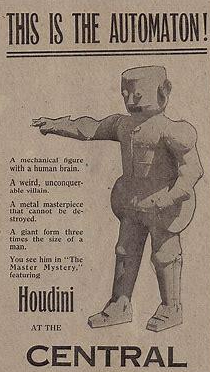 Every cliffhanger ending for the chapters of the serials involves a deathtrap which Houdini escapes from at the start of the following installment.
 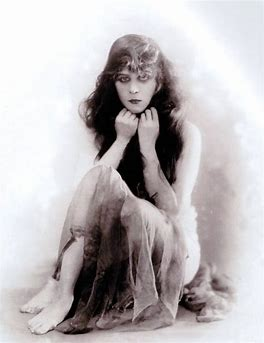 Born Theodosia Goodman in Cincinnati, OH on July 29th, 1885, Theda Bara was the first monumental “man-eating”, femme fatale sex symbol in American cinema. Theda chose – or was assigned – her screen name because it was an anagram for “Arab Death” but the supposed appeal of that has always eluded me.
 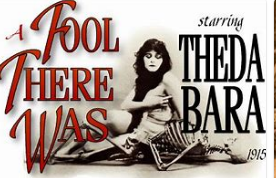 A FOOL THERE WAS (1915) – Theda Bara embodied “the Vamp” character as surely as Douglas Fairbanks would later embody the swashbuckler. In this film based on Rudyard Kipling’s 1876 poem The Vampire, Bara portrayed a metaphorical vampire whose erotic appeal drove men wild.
 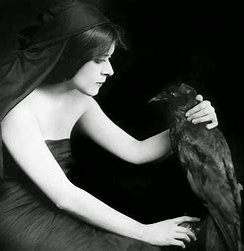 This film had a Dialogue Board with Bara’s character saying “Kiss me, my fool” to her latest male victim, a line which was mistakenly quoted as “Kiss me, you fool” for decades. Because this movie was made before the 1930 Hays Code, Theda’s seductive and spiteful character was allowed to go unpunished for her actions in the storyline.
 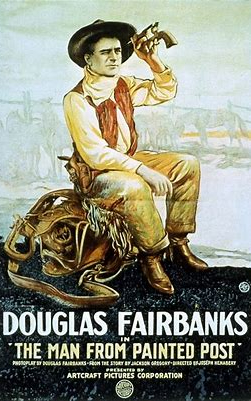 THE MAN FROM PAINTED POST (1917) – Here is another Douglas Fairbanks movie from the years before he became the film world’s premier swashbuckler. Unlike the pure comedy of Fairbanks’
  THE MARK OF ZORRO (1920) – Douglas Fairbanks digs into his comedic AND acrobatic skills in this first screen adaptation of Johnston McCully’s masked hero of 1820s California (The Curse of Capistrano had just been published the year before and Fairbanks bought the film rights for United Artists.)
  Excellent fight choreography, heroic opposition to tyranny and the rousing, marathon chase and fight scene near the film’s finale make The Mark of Zorro an absolute must-see for anyone curious about silent movies. Nearly every frame of the film is a portrait.
 Regular readers of Balladeer’s Blog may remember that I’m a Silent Movie geek. Last time around I took a look at the magnificent film poster for Douglas Fairbanks’ Thief of Bagdad. This time around it’s posters for one of my favorite underrated Fairbanks flicks, Don Q: Son of Zorro.
