
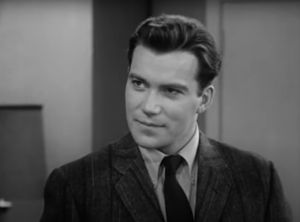
 NERO WOLFE (1959) – This was a failed pilot for a potential series about Rex Stout’s iconic detective – the rotund, snobbish but brilliant Nero Wolfe, portrayed by Kurt Kasznar. William Shatner played Archie Goodwin, the affable leg man for his reclusive boss.
It’s a shame this didn’t launch a series. Kasznar perfectly brought to life the eccentric, persnickety genius who virtually never left his home. And Shatner’s smiling, joking, but tough when he had to be Archie was a joy to watch. Needless to say, William expertly conveyed Goodwin’s eye for the ladies.
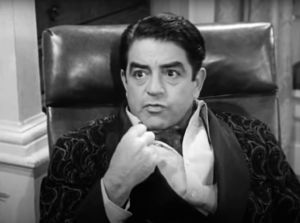 The chemistry between Kasznar and Shatner was remarkable, and at just 26 minutes without commercials, this would have been just the right length for each episode without Wolfe’s egotism and impatience with lesser minds wearing out their welcome with viewers.
Let’s examine the murder mystery in this pilot, subtitled Count the Man Down. Continue reading
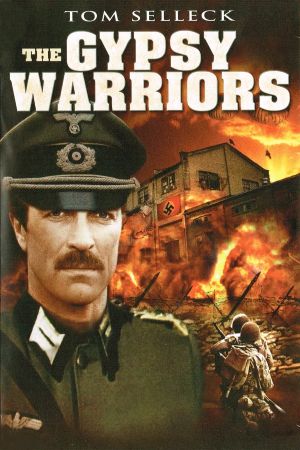 THE GYPSY WARRIORS (1978) – Yesterday I reviewed the godawful
 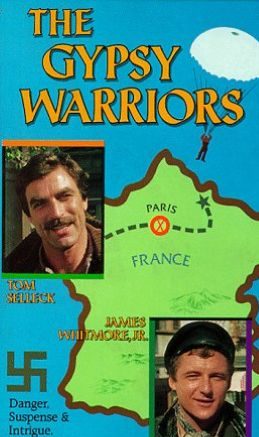 This 1978 tv-movie starts out by turning “show, don’t tell” on its ear. As bad as the opening of The Chinese Typewriter was, the opening to this World War Two snoozer is even worse. The beginning devotes FOURTEEN entire minutes of the 76-minute runtime to a portentous announcer merely narrating as we see mismatched footage of hands, arms and the backs of heads plus second unit film of buildings, airplanes and vehicles.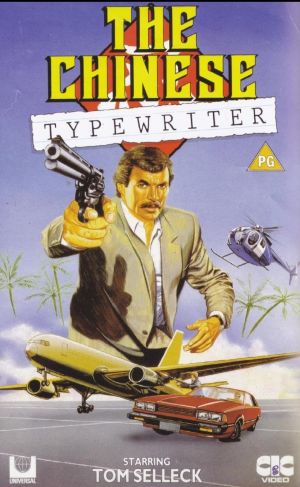
 With those writing and directing pedigrees behind the project you should have been able to smell several seasons, big money and some Emmy Awards in the offing.
 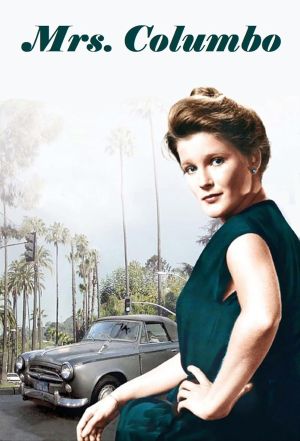 MRS. COLUMBO (1979-1980) – During its brief 13-episode run of hour-long episodes, this detective series – produced by Fred Silverman – was also titled Kate the Detective, Kate Callahan and Kate Loves a Mystery. Much Ado About Nothing might have been a more fitting title given all the energy expended trying to make this Kate Mulgrew program a success, but for so little return.
 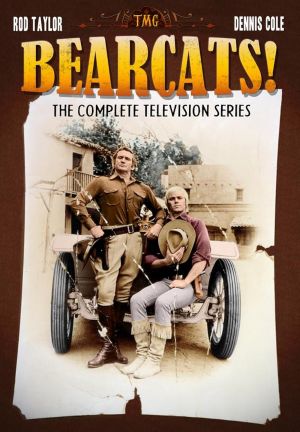 BEARCATS! (1971) – This unique action-adventure series was set in the American West of 1914 and starred Rod Taylor (who also produced) and Dennis Cole as renowned trouble-shooters who commanded huge fees for their services. “If you can put a price on it, you don’t need them badly enough” was the program’s tagline.
 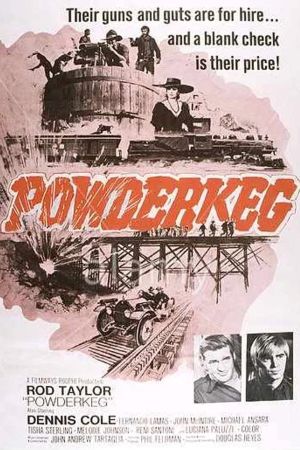 PILOT MOVIE: POWDERKEG (April 16th) – Mercenary trouble-shooters Hank Brackett (Rod Taylor) and Johnny Reach (Dennis Cole) are hired by a railroad tycoon to rescue 73 hostages being held aboard a moving train. Their captors are led by a Mexican bandit chief who demands his brother’s release from prison in exchange for the hostages. Guest stars were Michael Ansara, Fernando Lamas, Luciana Paluzzi and Tisha Sterling.
 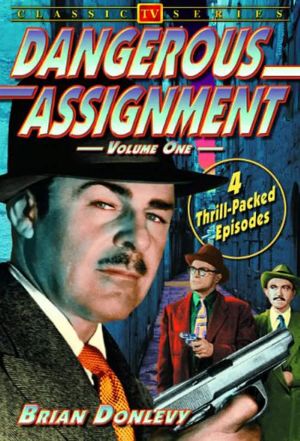 DANGEROUS ASSIGNMENT (1952) – Brian Donlevy, famous as Professor Quatermass in a pair of movies, starred as secret agent Steve Mitchell. He received his missions from a man called “The Commissioner” (Herb Butterfield).
 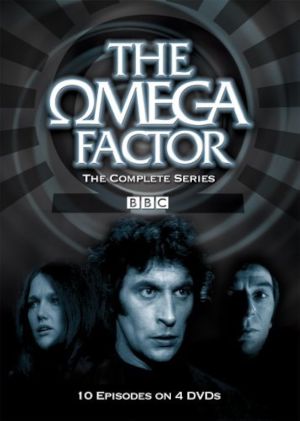 THE OMEGA FACTOR (1979) – This eerie BBC series combined the best elements of
 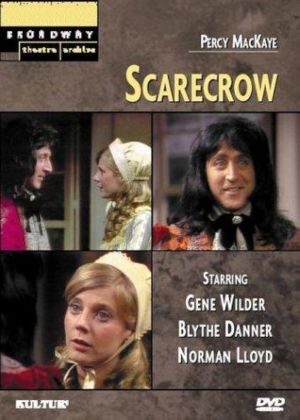 THE SCARECROW (1972) – Gene Wilder, Blythe Danner, Nina Foch, Pete Duel and Will Geer starred in this Hollywood Television Theatre production that first aired January 10th, 1972. Long time readers of Balladeer’s Blog may recall my remarks on previous Halloweens about how underused I feel scarecrows still are in Halloween movies.
 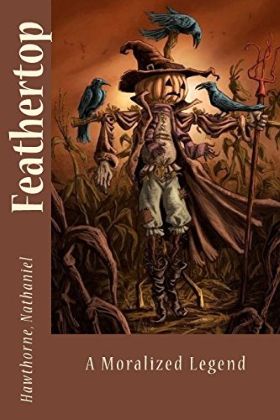 Percy MacKaye stretched the story out and altered some of the themes, so The Scarecrow is an adaptation of Feathertop, not a faithful dramatization of it. Gene Wilder portrays the scarecrow.
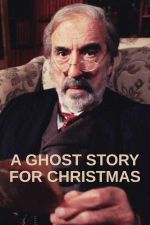 Halloween Month rolls along with this look at a very old British series of telefilms that presented some classic horror tales during Christmas Season. The tales themselves were NOT set around Christmas, so they make for nice Halloween Season viewing, too.
 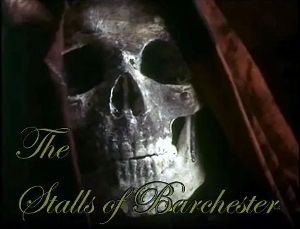 THE STALLS OF BARCHESTER (Dec 24th, 1971) – Dr. Black (Clive Swift), a scholar cataloguing the book collection at Barchester Cathedral, comes across the diary of a former Archdeacon who murdered his predecessor so he could rise to the position. The killer was then haunted by ghostly figures in the form of the carvings on the cathedral’s choir stalls. Also starring Robert Hardy, Thelma Barlow and Will Leighton.
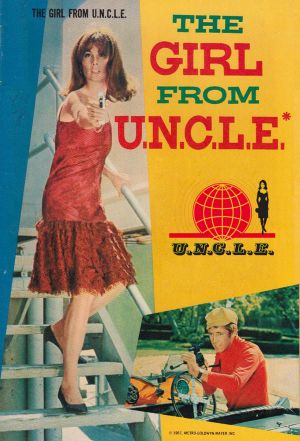
 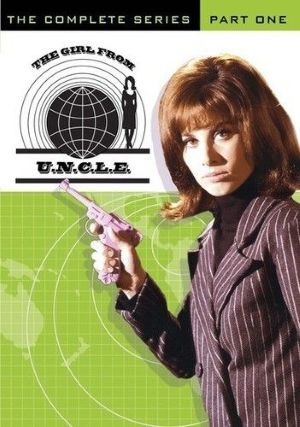 THE GIRL FROM U.N.C.L.E. (1966-1967) – This spinoff series from (What else?) The Man from U.N.C.L.E. starred Stefanie Powers as superspy April Dancer. Like Napoleon Solo and Illya Kuryakin, April worked for the United Network Command for Law & Enforcement. Her series lasted just one season of 29 hour-long episodes.
  THE MAN FROM U.N.C.L.E. – THE MOONGLOW AFFAIR: Airing on February 25th, 1966, this backdoor pilot for The Girl from U.N.C.L.E. had Mary Ann Mobley as new agent April Dancer. She replaced the incapacitated Solo and Kuryakin to stop the establishment of a lunar presence by the evil organization T.H.R.U.S.H. (Technological Hierarchy for the Removal of Undesirables and the Subjugation of Humanity).
