
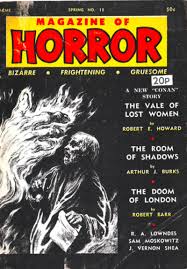
 THE DOOM OF LONDON (1892) – Written by Robert Barr. In the “far future” of the mid-Twentieth Century the narrator of this tale looks back at the catastrophe that hit London in the 1890s.
The premise is that our narrator is outraged by a piece written by a Professor Mowberry in which the professor ventures the opinion that the destruction of London was an overall beneficial event. His reasoning is that it got rid of millions of unnecessary people. Pretty callous attitude, unless you’re talking about getting rid of the Kardashians.
At any rate we readers are informed that in the mid-Twentieth Century fog has been completely done away with (?), preventing what happened to London in the 1890s from ever happening again. It turns out that what started out seeming to be nothing but the usual London fog was actually deadly gases unleashed from deep in the Earth by careless mining. Continue reading
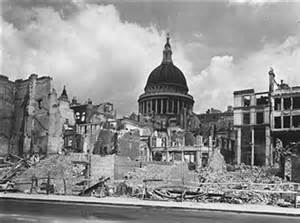 THE THAMES VALLEY CATASTROPHE (1884) – Written by Grant Allen. The story is presented in the form of a memoir about the destruction of London as seen from “the futuristic” 20th Century.
 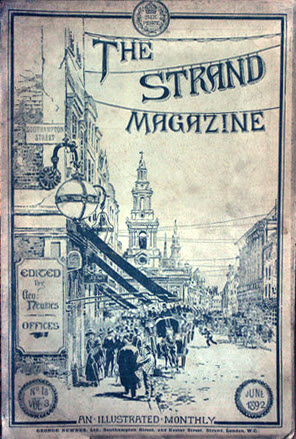 THE QUEER SIDE OF THINGS (1890s) – Written by James Frank Sullivan. Straight from the Gay Nineties, it’s a selection of Sullivan’s contributions to the Strand magazine’s short fiction column The Queer Side of Things.
 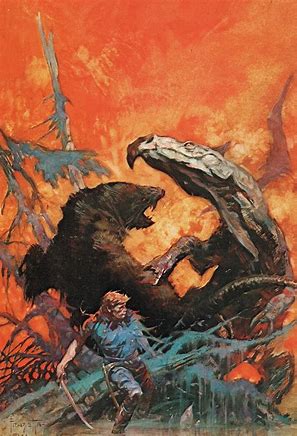 GULLIVAR JONES ON MARS aka Lt. Gullivar Jones – His Vacation and various other titles and spellings, was published in 1905 and is one VERY odd piece of work. The author was Edwin L. Arnold, whose ineptitude made this novel very unfulfilling as he defeated his storyline at every turn. Before I get into this third and final part of my review of Gullivar Jones on Mars the links to the first two parts are below:
 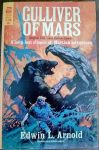 MORNING ON THE ISLE OF BEASTS – We pick up the morning after our hero, U.S. Navy Lieutenant Gullivar Jones, survived the night on the Isle of Beasts – my name for the place, since Edwin couldn’t be bothered to provide names for places or characters much of the time.
 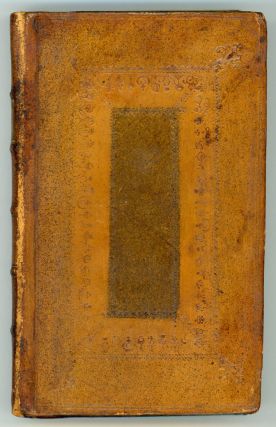 A VOYAGE TO THE WORLD IN THE CENTRE OF THE EARTH (1755) – This intriguing work was published in London anonymously and no author has yet been decisively identified. The novel’s narrator – who remains as anonymous as the book’s author – parties away his inheritance and then ships out for Italy.
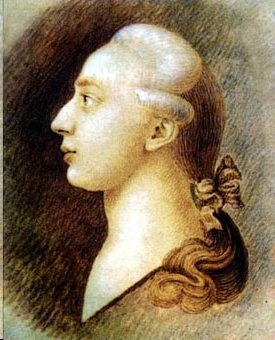
 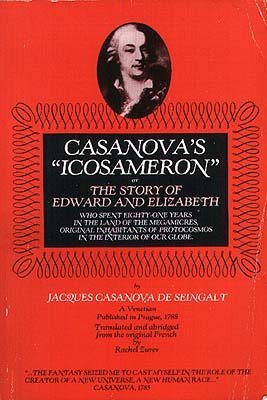 CASANOVA’S ICOSAMERON OR THE STORY OF EDWARD AND ELIZABETH WHO SPENT EIGHTY-ONE YEARS IN THE LAND OF THE MEGA-MICRES, ORIGINAL INHABITANTS OF PROTOCOSMOS IN THE INTERIOR OF OUR GLOBE (1788) – Yes, that IS the actual, complete title of this obscure item and yes, it was written by THE Giovanni Giacomo Casanova, the legendary ladies’ man and adventurer.
  The pair of twenty-somethings prove their identity through that beloved fictional trope of birthmarks and scars, then proceed to tell their tale. When the ship that Elizabeth and Edward were aboard sank at sea the then-children climbed into an empty, water-tight coffin in the cargo hold.
  THE AMERICAN ADVENTURER: STORY OF THE SECOND TRAVELER (1879) – While looking for new blog posts to mark Frontierado this year I unexpectedly came across this short story that is more sci-fi than Wild West.
  TRAVELS IN THE INTERIOR (1887) – Nearly eighty years before the movie Fantastic Voyage, this work of “ancient” science fiction detailed a party of shrunken heroes on an odyssey through a human being’s body. This cleverly-titled tale was written by Alfred Taylor Schofield under the name Luke T Courteney.
 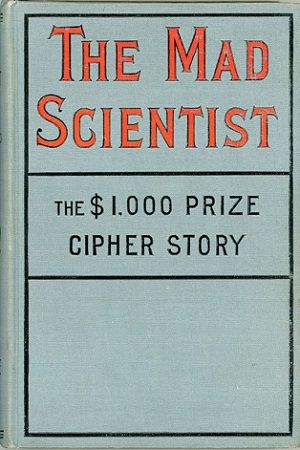 THE MAD SCIENTIST: A TALE OF THE FUTURE (1908) – Written by Raymond McDonald, a pen name for two Canadians – Raymond Alfred Leger and Edward Richard McDonald. An unusual aspect of this novel was the publisher’s offer of a thousand-dollar reward for any reader who deciphered and provided the best breakdown of a coded message in the story.
 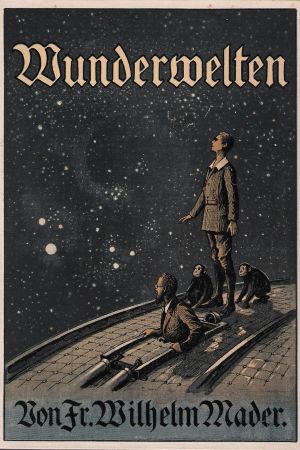 WONDERWORLDS (Wunderwelten) (1911) – Written by Friedrich W. Mader. This novel was published in its native German in 1911 but not translated into English until 1932 under the title Distant Worlds. Some sources mistakenly list 1932 as its original year of publication.
  Balladeer's Blog