
 Here is my usual post-completion collection of chapter links, in this case for The Villon Legend.
PART ONE – Francois Villon, poet and outlaw, is born in 1431 into a nearly post-apocalyptic France in the wake of the Hundred Years War and the Plague. He grows up idolizing and defending the memory of the controversial Joan of Arc, who was not made a saint until 1920.
Villon begins writing irreverent poems in his teens and through his years getting a Master’s Degree at the Sorbonne.
After that, he falls into a career as a thief in Paris while still churning out poetry. CLICK HERE.
…
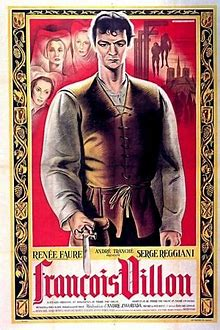 PART TWO – Villon leads a gang in stealing the infamous Pet au Diable and writes a mock epic poem about it.
Later, while living off assorted robberies along the riverfront in Paris, he pens poetry defending the female linen workers of Paris from a huffy high-born woman who accused them of prostitution. Francois, who spent plenty of time with actual prostitutes in Paris, knew better.
Eventually, after killing a man in a duel over a woman, Villon flees the city. CLICK HERE.
…
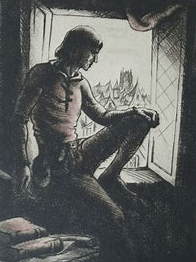 PART THREE – Beginning in June of 1455 Francois hides out in Port Royal-des-Champs at the establishment run by high class madam Huguette du Hamel.
Months later, Villon is back in Paris and learns his late victim exonerated him as he died.
After being savaged by a gang of armed men sicced on him by a romantic rival, he gathers colleagues in preparation for a major theft. CLICK HERE.
…
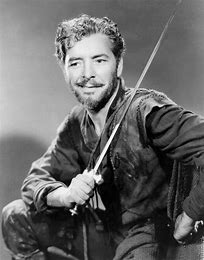 PART FOUR – A detailed look at Villon’s gang and their infamous theft of a large amount of gold from the College of Navarre on December 20th, 1455, and the attempts to solve the crime.
After penning one of his most famous poems, Le Petit Testament, Villon begins life on the run to avoid the law over that criminal caper. CLICK HERE.
…
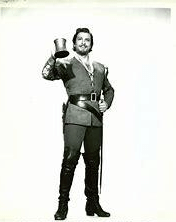 PART FIVE – Villon spends a few years as a roaming thief, smuggler and highwayman in the Coquillards organization. He is also producing poetry about the outlaw lifestyle and blowing one’s criminal proceeds on “taverns and saucy tarts.”
In addition, he writes poetry about those unfortunates driven to a life of crime by poverty. CLICK HERE.
…
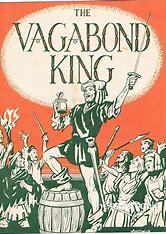 PART SIX – Francois’ notoriety as a gifted poet and swashbuckling outlaw gains him temporary respites in the castles of Rene, Duke of Anjou and later Charles, Duke of Orleans.
While briefly staying with the latter, Villon produces even more poetry, including A Stranger in My Native Land before resuming his fugitive existence. CLICK HERE.
…
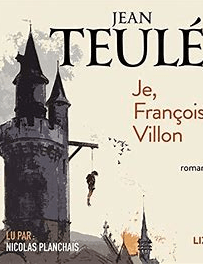 PART SEVEN – After a brief imprisonment Villon is freed in a mass pardon but returns to the Coquillards. Arrested for his part in the theft of a priceless silver chalice, Francois is tortured and then imprisoned in the harsh dungeons of Meung.
More than a year later he is freed in another mass pardon and becomes bed-ridden due to his now poor health. He spends seven months producing some of his most renowned poetry like Le Grand Testament, then returns to a life of crime and winds up sentenced to hang. CLICK HERE.
 Balladeer's Blog
It’s an excellent collection; thank you!🤙
Thank YOU!
Great posts as always. I’ve never heard of the Villon Legend before, so I found this to be a fascinating read. He definitely seems like an interesting character based on his description. What intrigued me most about the character is his association with gangs. Gangsters in history have always fascinated me. The lives of cruel criminals pulling off despicable violence have often made for engaging movies. It makes me wonder why a movie about the Villon Legend hasn’t been made before. For instance, Martin Scorsese is a fantastic director that has always excelled making movies about gangsters. I think he would do an extraordinary job bringing the legendary character back into the spotlight.
The story of the Villon Legend brought to mind the Scorsese film “Gangs of New York”. Set in 1863, it tells the story of a priest’s son seeking to avenge a death of his father committed by gangs. Here’s why it’s well worth a watch:
Thanks so much! I liked Gangs of New York, too.
You are more than welcome 🙏
😀