
 DECISION (1958) – This was a half-hour anthology series that aired as a summer replacement for The Loretta Young Show. It ran 13 episodes, with several episodes serving as pilots for potential new series.
I. THE VIRGINIAN – Pilot for the later series of the same name. This western was based on the Owen Wister novel and starred James Drury and Jeanette Nolan, both of whom starred in the series. Lee J. Cobb replaced Robert Burton as the Judge. Dan Blocker played Salem in this pilot. The story dealt with attempts to sabotage the Judge’s plan to bring a railroad spur to Shiloh Ranch.
II. FIFTY BEAUTIFUL GIRLS – Barbara Bel Geddes starred as a taxi dancer who bravely serves as bait for a crazed killer who has been murdering ladies in her profession. Also starred Edward Andrews and Royal Dano. Continue reading
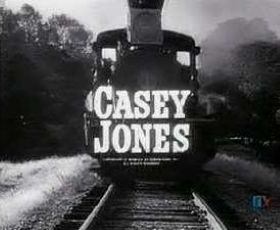 CASEY JONES (1957-1958) – Alan Hale, in his pre-Gilligan’s Island years, starred as the legendary train engineer John Luther “Casey” Jones in this series that’s not only appropriate for Frontierado season but makes for a nice watch with the whole family all year ’round. (It never depicted the incident in which the real Casey Jones died.)
 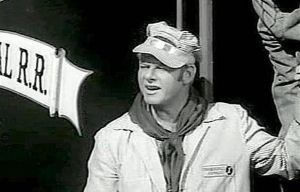 The show lasted 32 half-hour episodes and was set in Tennessee as Casey worked his steam engine the Cannonball Express (just Cannonball in real life) westward and back during the 1890s. Child actor Bobby Clark played our hero’s son Casey, Jr. while Mary Lawrence was Casey’s wife Alice. Eddy Waller portrayed Conductor “Red Rock” Smith.
 BLUE LIGHT (1966) – Goulet … Robert Goulet. Had to be said. The forgotten television series Blue Light ran 17 half-hour episodes from January to May of 1966 and starred singer Robert Goulet of all people. Despite the odd casting, this series was actually a more sophisticated and grittier spy program than television had yet seen.
  The story is set during World War Two. Robert Goulet plays American reporter David March, one of eighteen U.S. spies who have infiltrated Nazi Germany by posing as Americans so taken with Nazi philosophy that before American involvement in the war they renounced their U.S. citizenship to become citizens of the Reich.
 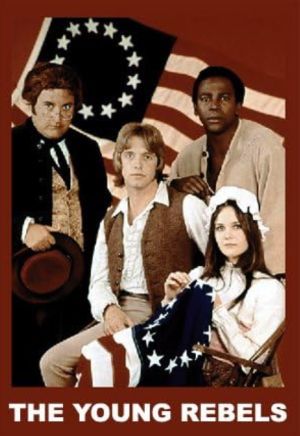 THE YOUNG REBELS (1970-1971) – With the 4th of July approaching, here’s another seasonal post. Harve Bennett himself was involved with this series that ran for 15 hour-long episodes. A group of young men and one young woman help fight for American Independence in 1777 Pennsylvania.
 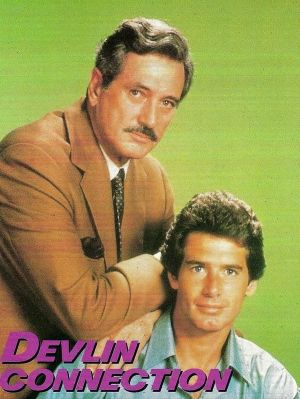 THE DEVLIN CONNECTION (1982) – HAPPY FATHER’S DAY! Balladeer’s Blog marks the occasion with a look at this short-lived detective series starring Rock Hudson and Jack Scalia as father and son investigators.
 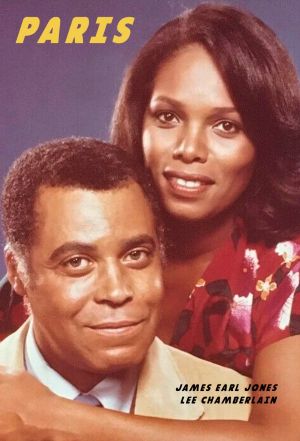 PARIS (1979-1980) – This 13-episode cop show was created by the one and only Steven Bochco. James Earl Jones took his first starring role in a television series as Woody Paris of the Los Angeles Police.
 THE EPISODES:
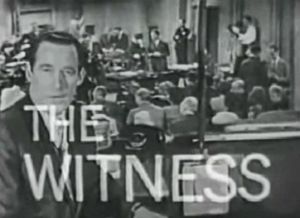 THE WITNESS (1960-1961) – This David Susskind production offered a nice change of pace in a crime drama. It wasn’t a standard police story nor was it a courtroom drama. Instead, it featured a revolving committee of real-life lawyers cross-examining actors (Telly Savalas most frequently) who portrayed real-life criminals, their victims and their accomplices.
  THE EPISODES:
 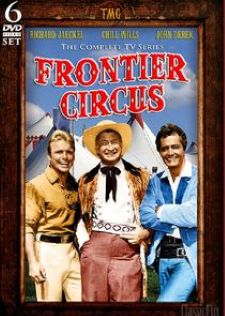 FRONTIER CIRCUS (1961-1962) – The traveling Thompson & Travis Circus roams the 1880s American West performing for audiences and having adventures.
  DEPTHS OF FEAR (1st episode) – Ben Travis signs a formerly great Lion Tamer (Aldo Ray) who has become a town drunk. Ben coaches the man back to performing status despite the attempts to derail him made by a jealous bully. Guest stars Vito Scotti, James Gregory and Bethel Leslie.
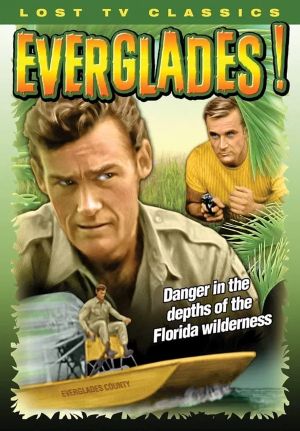 EVERGLADES aka Lincoln Vail of the Everglades (1961-1962) – This short-lived syndicated series stood out from other law-enforcement programs of its era by not being set in either a big city or the American West. Constable Lincoln Vail of the Everglades County Patrol policed the Florida Everglades in his airboat, giving this series its signature visual appeal.
  THE GREAT ADVENTURE (1963-1964) – This hour-long series presented dramatizations of well-known and obscure events from United States history.
 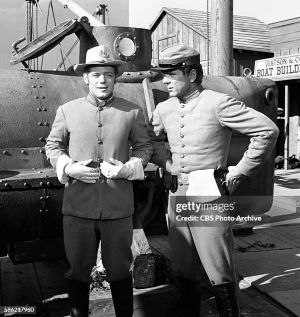 THE HUNLEY – In February of 1864 the Confederacy launched the experimental submarine Hunley, named after its inventor Horace Lawson Hunley. Two previous crews had drowned on test runs but on its final voyage the eight-man sub used a torpedo to sink the Union Navy’s warship the USS Housatonic. The Hunley was also destroyed by the blast and the crew killed.
